

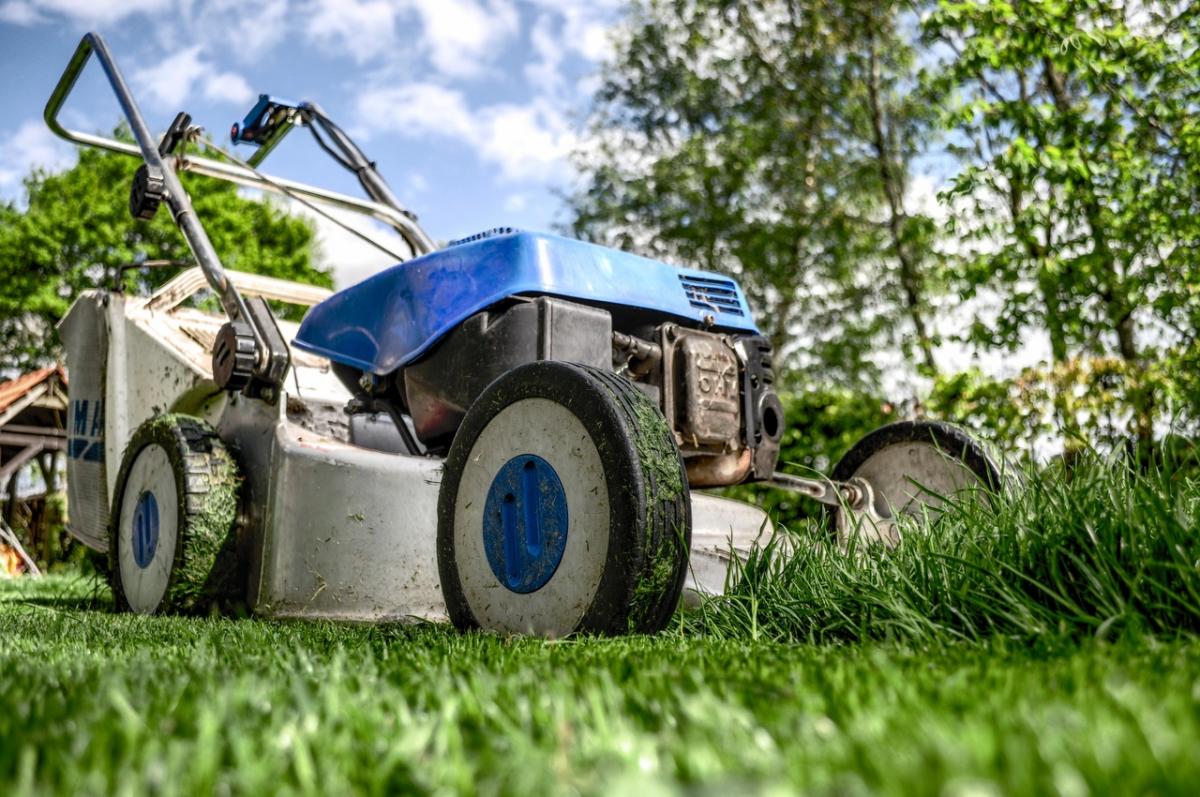
Vegetable oil applied to the inside of a lawn mower housing can prevent damp grass clippings from sticking and clogging the machine, according to home maintenance guidance published by Polish lifestyle outlet dom.wprost.pl.
Using standard cooking oil, preferably in a spray bottle, creates a thin water repellent coating on the clean interior of the mower deck. This hydrophobic barrier prevents moist plant material from clinging to the housing walls, allowing clippings to move more freely while the engine is running.
Rotary lawn mowers use high-speed rotating blades to cut grass stems while generating aerodynamic lift that propels clippings into a collection bag or out through a side discharge chute. When turf is wet, water droplets bind grass particles together into thick clumps that cling to metal and plastic surfaces, choking airflow and stalling mower engines.
Cleaning protocols and safety measures
Before applying vegetable oil, the equipment must be completely cleaned and dried. Operators should first disable the engine to prevent accidental startup during maintenance. For petrol-powered mowers, this requires disconnecting the spark plug lead, while battery-powered cordless models require removing the power pack. Once safety measures are active, old dried grass must be scraped away and the deck interior wiped dry.
A very thin layer of vegetable oil can then be sprayed onto the interior housing and the grass ejection chute. Maintenance guidelines specify that oil must never be applied to the cutting blades or mechanical drive assemblies. Lawn mower manufacturers also produce specialized commercial anti-stick coatings, which should likewise be applied exclusively to clean surfaces.
Although cooking spray reduces grass adhesion, specialists emphasize that it is not a complete remedy for cutting wet turf. Damp lawns remain prone to clumping, increase equipment wear, and present slip hazards for operators. Mowing under dry conditions remains the recommended standard for lawn care.
Adjusting mowing technique and blade sharpness
When cutting damp grass cannot be avoided, specialists advise operators to reduce their walking pace, increase the cutting height setting, and narrow the width of each pass. These adjustments reduce mechanical strain on the engine by decreasing the mass of wet foliage entering the cutting chamber at one time.
Frequent clogging can also indicate a dull mower blade. A sharpened blade cleanly slices grass stems, whereas a dull edge shreds foliage, creating jagged tears that release extra moisture and exacerbate clogging. Finely shredded grass from a sharp blade flows smoothly through the discharge area and decomposes faster when returned to the soil.
Restoring damaged lawns with household remedies
The advice aligns with broader lawn maintenance practices reported by news outlets across Eastern Europe. Ukrainian news agency UNIAN, based in Kyiv, previously published guidance on restoring lawns damaged by severe summer heat and intense ultraviolet exposure. UNIAN outlined three steps to revive sunburnt grass and noted that common household kitchen products can provide pet-safe solutions for maintaining healthy lawns.


