


Exosomes have emerged as a dominant skincare ingredient in 2026, as cosmetic formulations expand from clinical treatments into daily anti-aging serums.

Reporting by Susana Godoy for The Fashion Vibes highlighted that beauty formulations are shifting beyond surface-level aging remedies toward regenerative skincare. The new products focus on supporting the skin's intrinsic repair mechanisms rather than merely concealing visible lines.
For years, dermatological routines have relied on established active ingredients like retinol, vitamin C, and hyaluronic acid. While vitamin C provides antioxidant protection and hyaluronic acid binds moisture within tissue, exosomes represent a distinct technological shift toward cellular signaling in cosmetics.
What exosomes are and how they work
Exosomes are naturally occurring extracellular vesicles present throughout the human body. These microscopic sacs act as intercellular messengers, responsible for transporting proteins and genetic material between cells to facilitate physiological communication.
This natural transport capacity has drawn significant focus from aesthetic medicine. Researchers are evaluating the potential role of exosomes in processes tied to cellular regeneration, inflammation reduction, collagen production, skin hydration, and elasticity.
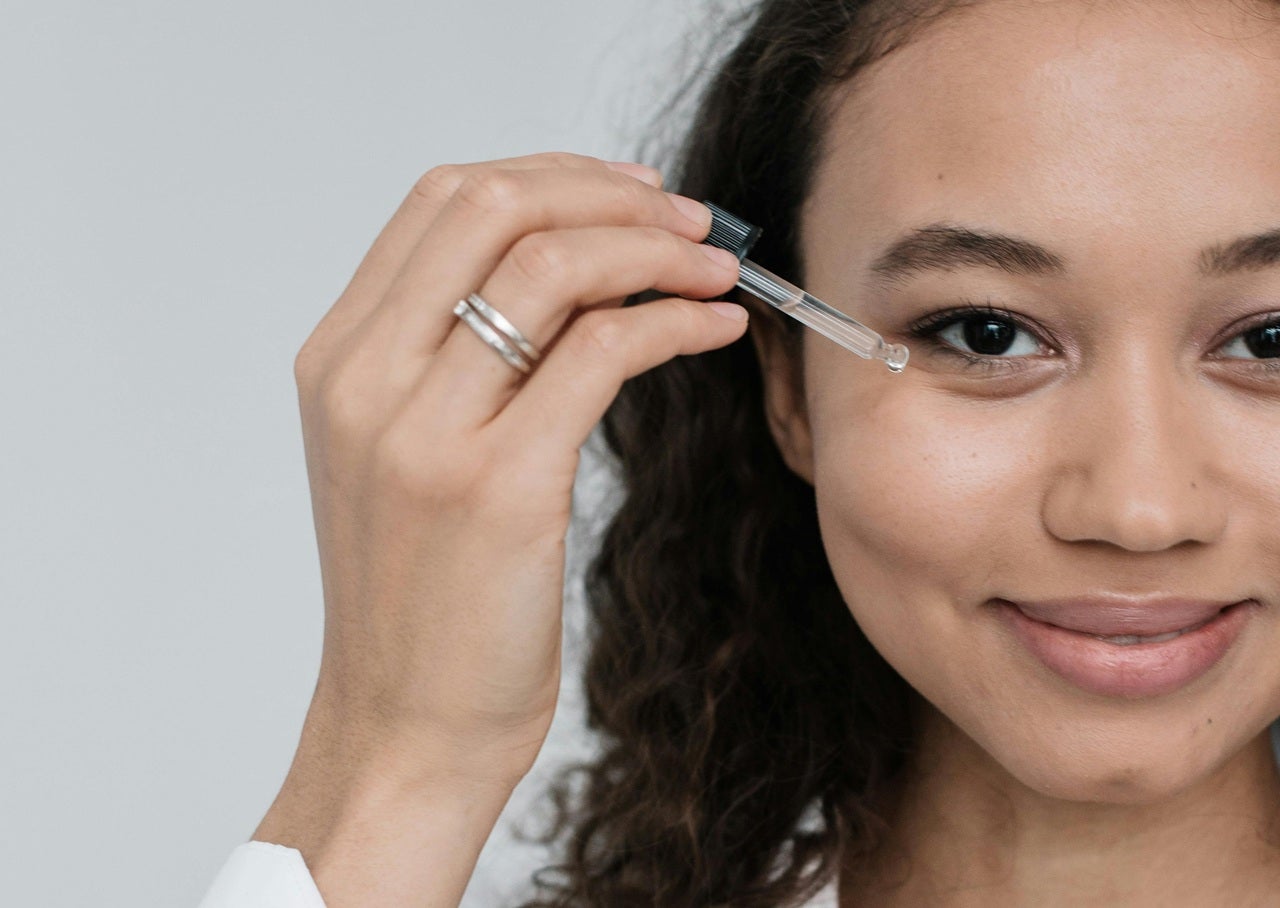
The rise of exosome cosmetics coincides with a broader industry evolution toward skin longevity and preventive care. Traditional anti-aging approaches often targeted wrinkles after their appearance, but modern formulations prioritize maintaining a resilient skin barrier and long-term hydration.
As interest grows, exosome technology is transitioning from specialized in-clinic aesthetic procedures into over-the-counter serums designed for daily home use.
Combining exosomes with traditional retinol
Rather than replacing established ingredients, exosomes are increasingly formulated alongside classic active components. Retinol, a vitamin A derivative widely recognized for accelerating cell turnover, remains a benchmark treatment for reducing wrinkles and evening out skin pigmentation.
Cosmetic trends indicate that exosomes offer a complementary regenerative angle rather than acting as a substitute for retinoids. Skincare routines combining both retinol and exosomes have gained particular visibility during the summer of 2026, especially among consumers aged 35 and older.
Clinical evidence and research outlook
Scientific investigations into topically applied exosomes have demonstrated promising preliminary results regarding improved skin elasticity, enhanced moisture retention, and reduced signs of photoaging. However, researchers emphasize that large-scale clinical trials are still required to establish definitive conclusions.
Industry analysts note that while exosomes rank among the most compelling innovations in modern dermatology, they serve as an advanced complementary tool rather than an outright replacement for proven active ingredients.


