

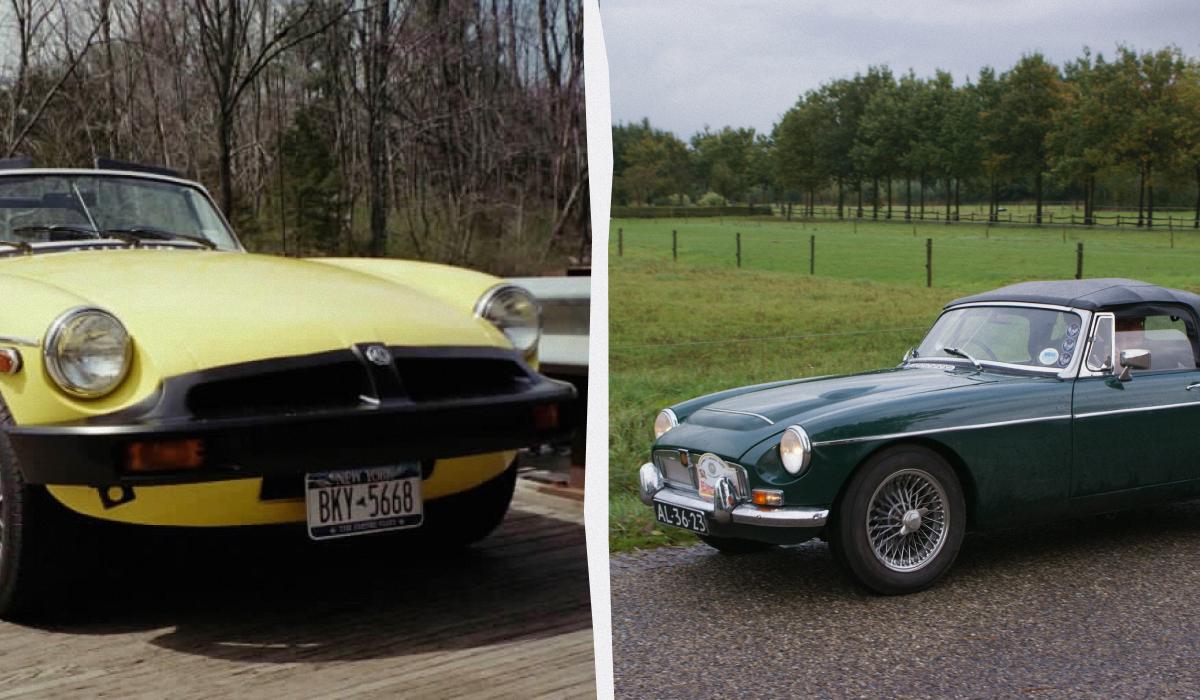
Iconic European sports cars imported into the United States, including models from Ferrari, Lamborghini, and Porsche, suffered significant design alterations after being modified to meet strict American federal safety standards.
Automotive media outlet Supercar Blondie reported that imported vehicles frequently required structural revisions to comply with US legislation, creating stark visual differences between European and North American vehicle specifications.
The major design changes originated from Federal Motor Vehicle Safety Standard No. 215, which was enacted by the National Highway Traffic Safety Administration in the 1970s. Vehicles manufactured after September 1972 were required to withstand a frontal impact at 5 mph (8 km/h) and a rear impact at 2.5 mph (4 km/h) against a fixed barrier without sustaining significant damage. One year later, regulators tightened the standard to require 5 mph impact protection in both front and rear collisions.
Bumper safety regulations and design modifications
A decade after introducing the stricter rules, pressure from car manufacturers forced the federal safety agency to reduce the required collision test speeds by half. However, by that time, many European models had already undergone extensive styling modifications to remain legal for import into North America.
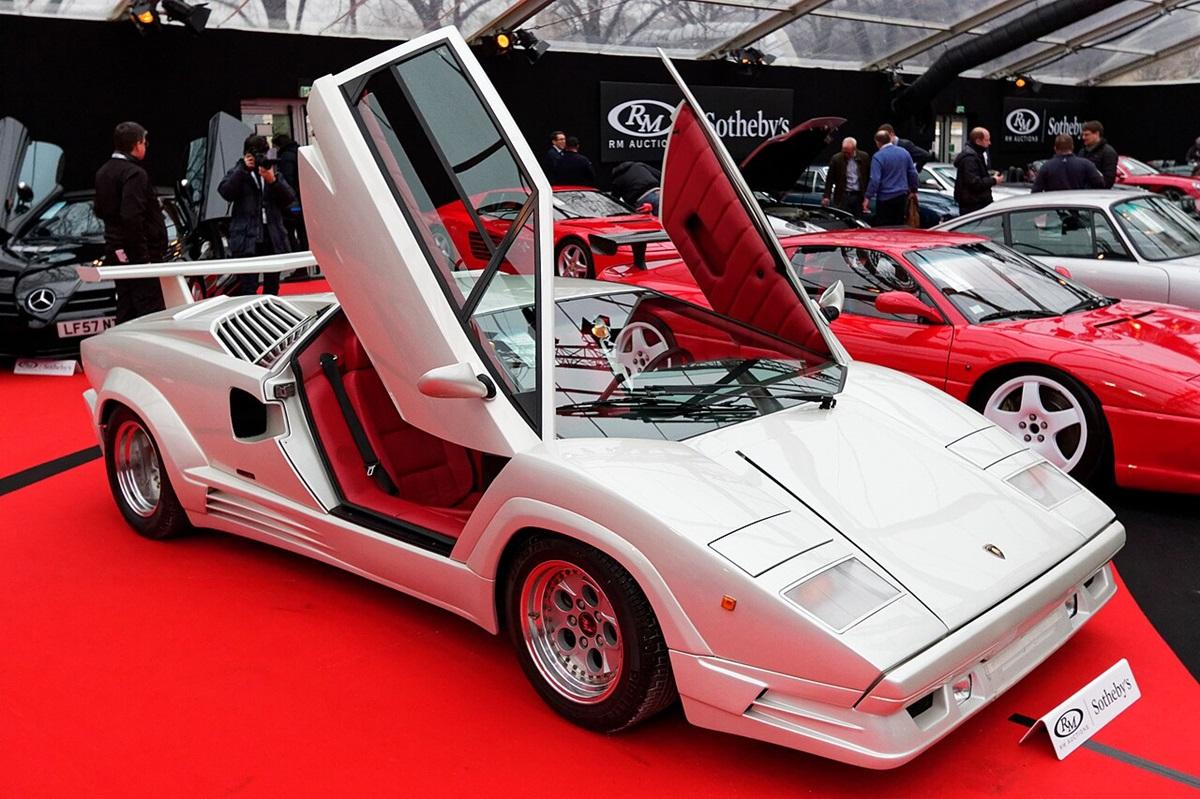
Automakers added large plastic bumpers to prominent models such as the Mercedes-Benz SL, the Jaguar E-Type, and the Lamborghini Countach. Because European safety rules were less stringent regarding bumpers at the time, European manufacturers were not experienced in bumper design. This led to angular, protruding bumper attachments on European imports, whereas Japanese carmakers integrated bumper elements more effectively into their vehicle silhouettes.

Evolution of global car safety design standards
The National Highway Traffic Safety Administration serves as the federal agency under the US Department of Transportation responsible for setting road vehicle safety regulations. When the bumper standards took effect, iconic vehicles like the Italian-built Lamborghini Countach, renowned for its sharp wedge profile and scissor doors, received protruding rubber and plastic bumper guards. Similarly, classic British sports cars like the Jaguar E-Type and German grand tourers like the Mercedes-Benz SL were fitted with heavy bumper additions for the American market.
In contrast to the 1970s era, modern car manufacturers design vehicle platforms in advance to meet varying global regulatory standards without requiring drastic visual redesigns across different international markets.
Separately, automotive publication SlashGear previously compiled a report naming five of the worst vehicle designs, highlighting models that became famous for unusual aesthetic choices. The publication highlighted the SsangYong Rodius crossover due to its unusual body geometry, as well as the Fiat Multipla for its distinctive front end design and atypical exterior styling features.


