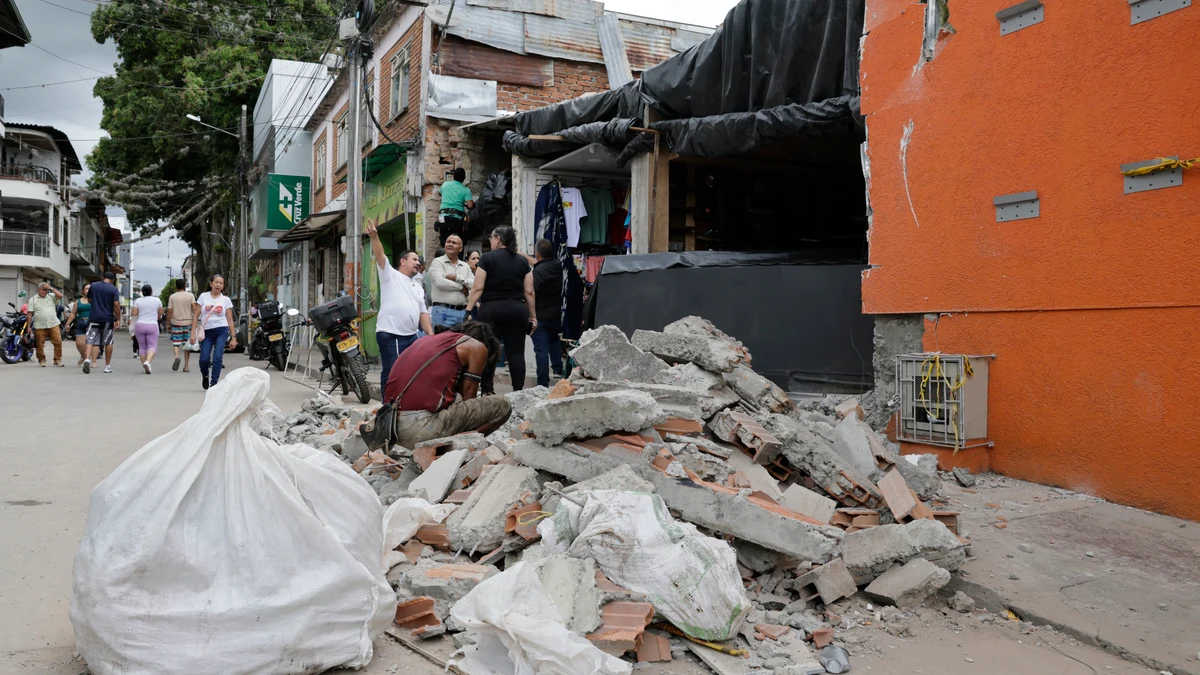
The Spanish Society of Epidemiology has warned that major public health risks and mental health challenges will persist for months following recent powerful earthquakes in Colombia and southern Spain.
Disaster response teams in Colombia are managing complex medical challenges one week after a magnitude 7.4 earthquake struck the South American nation, while seismic tremors continue to shake the Spanish city of Granada. Epidemiologists emphasized that humanitarian crises do not end when emergency rescue operations wrap up and rubble is cleared from affected streets.
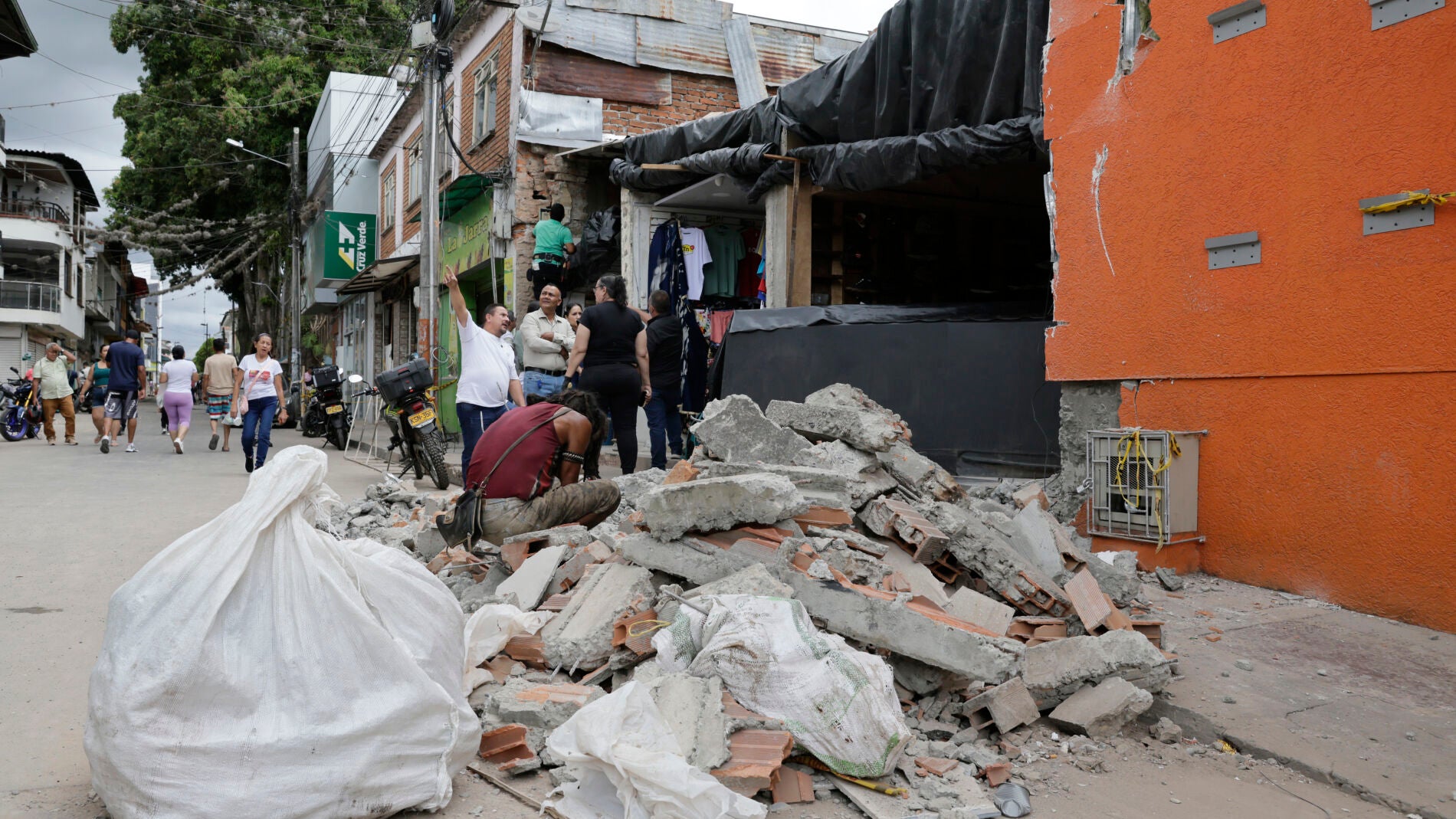
Once the initial shock of a seismic event passes, community health depends on basic structural factors such as healthcare access, safe drinking water, treatment continuity for chronic conditions, mental health support, and infectious disease control. The Spanish Society of Epidemiology, known as SEE, is a professional medical association that monitors public health trends and disease prevention strategies in Spain.
Disruption of Chronic Care and Hospital Operations
Disruptions to standard healthcare systems create severe risk factors in the days following an earthquake. SEE stressed the urgent need to maintain medical services for patients with chronic conditions, noting that interrupted treatments, travel barriers to healthcare facilities, and lost medications can severely worsen chronic illnesses.
The epidemiology society also called for special protection for pregnant women and newborns if structural damage disrupts delivery and neonatal care networks. Hospital infrastructure faced varying degrees of damage across the affected regions in Spain and Colombia.
In Granada, the Andalusian Health Service temporarily suspended non-essential medical care across provincial healthcare centers on August 18 as a safety precaution. Non-essential medical services in the province resumed normally on August 19 after technical inspections confirmed that health facilities were safe following recent tremors. The Andalusian Health Service, or SAS, is the regional public health provider for Andalusia in southern Spain.
In Colombia, seismic activity caused severe structural disruption, leaving several of the country's largest hospitals and medical centers entirely without operational services.
Sanitation Collapse and Infectious Disease Risks
The breakdown of basic sanitation infrastructure creates secondary epidemiological threats after major quakes. SEE warned of an imminent risk of infectious disease transmission due to deteriorating hygiene conditions, drinking water shortages, and overcrowding in temporary shelters.
Environmental alterations caused by earthquakes can also facilitate the breeding of disease vectors such as mosquitoes and rodents, requiring active health surveillance in the following weeks. Mosquitoes can transmit viral infections, while rodents carry bacterial pathogens in disaster zones.
To reduce public panic, the scientific society clarified that deceased bodies do not generally pose a health hazard to the general public. Epidemiologists explained that most disease-causing microorganisms cannot survive longer than 48 hours after death.
Urban Mobility Barriers and Psychological Trauma
Physical damage to city infrastructure creates invisible barriers to healthcare, disproportionately affecting elderly residents, dependents, and people with disabilities. Destruction of roads, buildings, and public transit systems complicates daily mobility in affected zones.
Power outages and broken elevators drastically increase isolation for individuals with reduced mobility, leaving them unable to obtain basic necessities or essential prescription medications. Beyond physical obstacles, epidemiologists highlighted that psychological and social trauma represents one of the most long-lasting consequences of seismic disasters.
The loss of family members, homes, and livelihoods, combined with forced displacement and future uncertainty, generates severe stress and mental health conditions that persist long after emergency rescue operations end. SEE urged government agencies to fully integrate psychosocial support into medium-term and long-term recovery plans.
Equitable Reconstruction and Public Health
The SEE statement concluded with an ethical appeal to government authorities managing recovery efforts in Colombia and southern Spain. Experts warned that earthquakes tend to worsen pre-existing social, economic, and healthcare inequalities within affected populations.
Public health experts insisted that state disaster responses must extend beyond rebuilding physical infrastructure to address pre-existing gaps in healthcare delivery. Reconstruction programs must focus on individuals living in fragile social or economic situations, ensuring that restored public services reach all affected communities.