

Veterinarians Aimee Warner, Jo Myers, and Chyrle Bonk have identified five key behavioral signs that show whether a dog shares a strong emotional bond with its owner, according to a report by Parade Pets.
While dogs express affection in diverse ways without a single definitive action, Warner advised pet owners to observe their animal's overall body language and daily routine. Myers noted that dogs communicate close relationships through multiple combined signals rather than isolated gestures.
According to Myers, a dog that feels deeply connected to a person typically seeks to stay near them, interact regularly, and relax completely in their presence.
Body movement and sleeping habits
The first clear indicator occurs when a dog wiggles its entire body upon an owner returning home. Bonk explained that whole body movement demonstrates extreme happiness by releasing physical tension from tail to nose, noting that dogs generally greet their favorite person in this manner.
A second sign is a dog choosing to sleep near its owner. Myers stated that sleep represents a vulnerable period for dogs, leading many animals to rest near the humans they trust most. Distance matters less than habit, as dogs may sleep against an owner's feet, at the edge of the bed, or across the room.
Vulnerability and constant companionship
Exposing the belly is a third sign of canine trust. Bonk noted that the abdomen is a highly vulnerable body area, meaning a dog will only roll onto its back when it feels safe. Myers added that while this posture often signals trust, it can also serve as a request for belly rubs, reflecting satisfaction with human affection.
Fourth, dogs that follow their owners from room to room demonstrate a desire for closeness. Bonk described this constant tracking as a clear effort to remain together. Myers observed that while this behavior usually highlights a strong social bond, it can also stem from curiosity or anxiety. A well adjusted dog enjoys proximity but remains calm during brief separations.
Affectionate physical contact and canine science
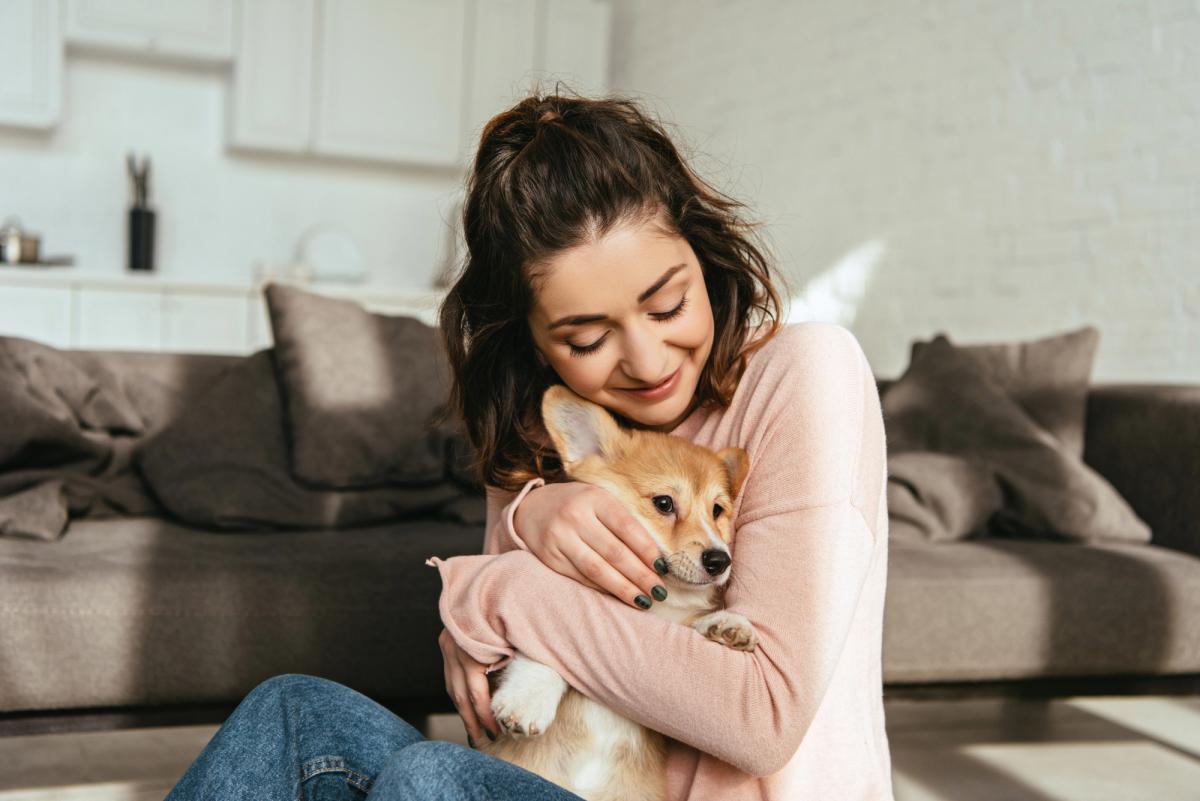
The fifth indicator involves a dog selecting its owner as its primary cuddling partner. Warner explained that when a dog voluntarily approaches to sit or lie next to a person while free to move away, it demonstrates affection and trust. Myers noted that human presence calms the animal, though she emphasized that a lack of cuddling does not mean a bond is absent.
Veterinary medicine and animal behavior science study how domesticated dogs use nonverbal cues to establish social hierarchies and companion relationships with humans. Domestic dogs have lived alongside human households for thousands of years, developing specialized communication systems that rely heavily on body postures, scent, and visual signals to express safety and trust.
Related protection and behavior studies
The findings follow earlier reports on canine behavior, including a list of six dog breeds capable of protecting homes from intruders. Those protective breeds included the German Shepherd, Kuvasz, and Komondor.
Dog trainers have also outlined seven distinct habits that demonstrate unconditional devotion in pets, noting that dogs possess a unique language of affection that owners can learn to recognize.


