

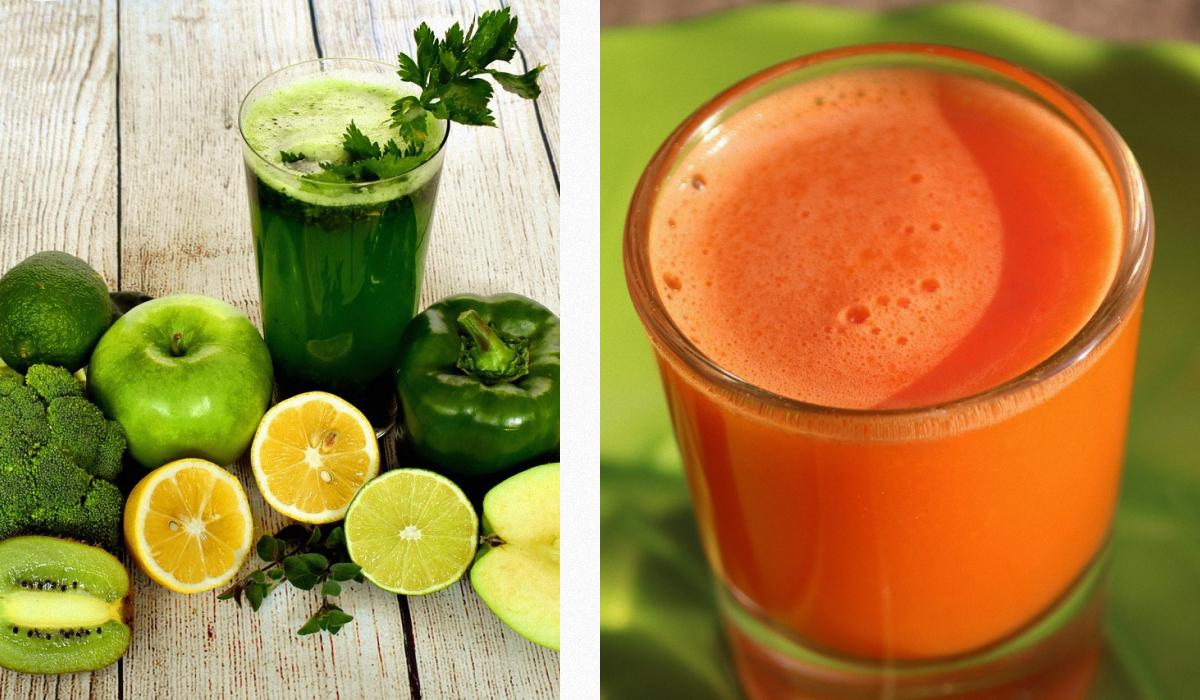
Dietitians are warning that the perceived health benefits of popular green juices may be masking high sugar levels that cause energy crashes and brain fog.
Experts told Parade magazine that consumers should be critical of trendy aesthetic drinks promoted on Instagram and TikTok, cautioning that a health halo effect often leads people to overlook harmful ingredients. Parade is an American lifestyle publication, while Instagram and TikTok are social media platforms where diet and wellness trends frequently gain viral traction.
Johanna Katz, a dietitian, explained that this halo effect occurs when a single appealing characteristic, such as an organic label, a green colour, a natural origin or high vitamin content, tricks consumers into believing the entire product is healthy.
The warning targets beverages that frequently feature in social media videos and photographs, often sporting vibrant green, beet red or orange colours. These drinks often contain multiple powders and ingredients that typically require a trip to a specialist store to purchase.
While not all of these drinks are harmful, dietitian Michelle Routhenstein said the health halo stops people from questioning what they are actually consuming.
Routhenstein noted that when a product is marketed as healthy, people automatically assume it provides energy and health benefits, even if it lacks essential nutrients like protein and fibre and is packed with added sugar.
Beyond long term health risks such as heart disease and diabetes, these supposedly healthy drinks can severely drain the body of energy.
Energy slumps and sugar spikes
Green juice in particular has drawn scrutiny from health experts. Despite being marketed as a healthy choice, dietitians warn it can silently deplete energy levels and trigger mid morning or afternoon slumps.
Katz advised consumers to check portion sizes, total sugar and fibre content, and to consider whether a green juice provides enough calories and protein to genuinely replace a meal, even if it does contain valuable nutrients.
Dietitian Julia Zumpano said she understands why people love green juice, but warned that its most appealing benefits are frequently overstated at best, and harmful at worst.
Zumpano said the sweet taste and the inclusion of green vegetables and fruits that people might otherwise avoid creates a false sense of making a healthy choice. In reality, she said, consumers are often taking in a large amount of excess calories and sugar.
Missing fibre speeds digestion
The added sugar content in green juice is a major concern for dietitians attempting to help people understand how their diet affects their energy levels throughout the day.
Routhenstein said many green juices rely on fruit juices, fruit concentrates or added sugar for their sweet taste. She warned that some bottled varieties contain between 25 and 50 grams of sugar per serving, a level that matches or even exceeds the sugar found in some fizzy drinks.
While whole fruits are highly nutritious and naturally sweet, Routhenstein explained that the juicing process strips away a significant portion of the fibre that naturally slows digestion.
Drinking sweet juice without that fibre allows sugar to enter the bloodstream rapidly, causing a sharp spike in blood sugar.
Routhenstein said this spike is often followed by a subsequent crash for some people, which can cause afternoon fatigue, brain fog or cravings for foods that provide a quick energy fix.
Liquid calories lack satiety
She also argued that liquid calories generally leave people feeling less full than food that requires chewing, especially when the drink lacks healthy fats and protein. Because of this, they may fail to provide the lasting energy people are looking for.
The popularity of green juices in cleansing diets, including detoxes and low calorie regimens, is also a concern.
Routhenstein said these approaches can encourage people to skip balanced meals and under eat, relying predominantly on liquids instead of consuming adequate protein, fibre and calories.
However, the experts noted that green juice is not entirely bad.
Katz said that depending on the ingredients, green juice can provide vitamin K and folates from leafy greens, vitamin C from vegetables and citrus fruits, as well as potassium and plant pigments called carotenoids. She added that the nutrient content varies significantly between different recipes and commercial products.


