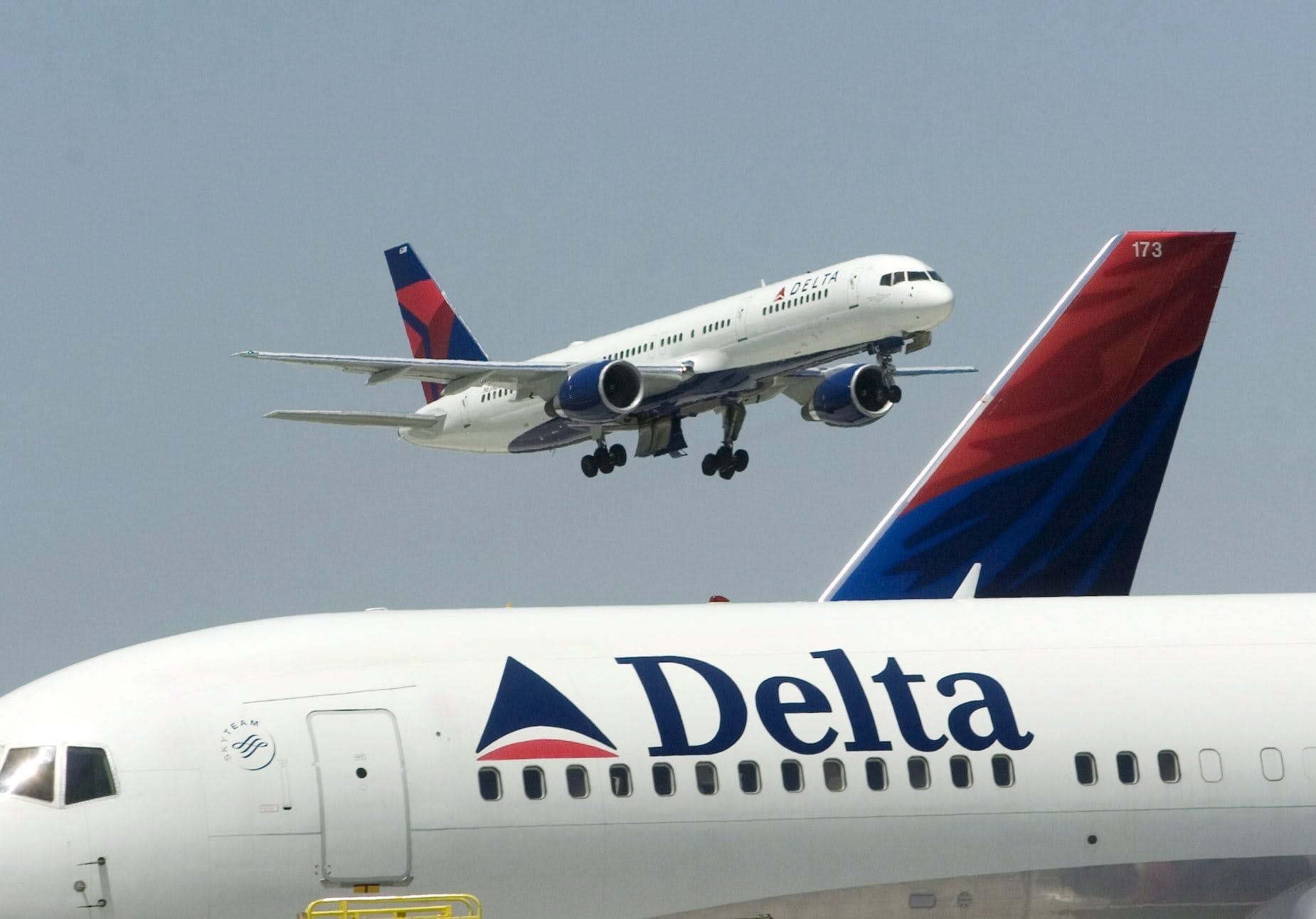
Delta Air Lines says Peru will play a central role in its plans to expand travel between North America and South America, but warns that a local airport fee is already constraining its operations there.
Alex Antilla, Delta's vice president for Latin America and the Caribbean, said the airline and its partner Latam Airlines have been building what they describe as the top travel offering between the two continents over the four years since their joint venture began. He said capacity has grown around 40 percent since the partnership launched, with the alliance now connecting more than 300 destinations across North and South America.
Peru as a strategic market
Antilla said Peru has become one of the most important parts of the joint venture, citing the country's geography, its economy, and the new Jorge Chavez International Airport. He said Delta's growth in Peru has been disproportionately larger than in the rest of the alliance.
The new airport, he said, changes the rules of the game by offering more gates and positions that allow the carrier to expand. He added that Lima's potential as a connection hub extends beyond Peru itself, with the airport positioned to attract passengers from other countries in the region travelling to the United States via the combined Delta-Latam network.
A fee that grounds ambitions
Despite that optimism, Antilla identified Peru's Unified Airport Use Fee, known by its Spanish acronym TUUA, as the primary obstacle to further growth. The charge applies to connecting passengers and, he said, does not exist in comparable form at rival hubs in Panama, Bogota, Santiago, or Buenos Aires, putting Lima at a competitive disadvantage.
He pointed to the seasonal Lima to Salt Lake City route as a concrete example of the fee's impact, saying Delta would have liked to operate it for more months this year but kept it to only two months because of the TUUA. The route was designed to connect passengers not just from Lima but from other South American markets to one of Delta's main hubs on the west coast of the United States.
Antilla noted that Delta's aircraft are mobile and could be redeployed to other markets, though he said the airline wants to maintain its growth in Peru rather than do that.
Broader regional outlook
Antilla also pointed to the wider growth potential across Latin America, noting that the average person in the region takes about 0.5 flights per year compared with 2.5 for the average American. He said tourism was creating a virtuous cycle in which visitors discover business opportunities and return to invest.
He also highlighted the cargo side of the business, saying the alliance strengthens Peru-United States connectivity in sectors such as agricultural exports and mining, and that combining passenger and cargo operations allows Delta to grow more profitably.
Antilla said that according to IATA estimates, eliminating the TUUA would accelerate growth in Peru's aviation market in coming years, while keeping it would limit that potential. He said Delta wants demand growth to finance infrastructure, not a tax that ends up discouraging travel.