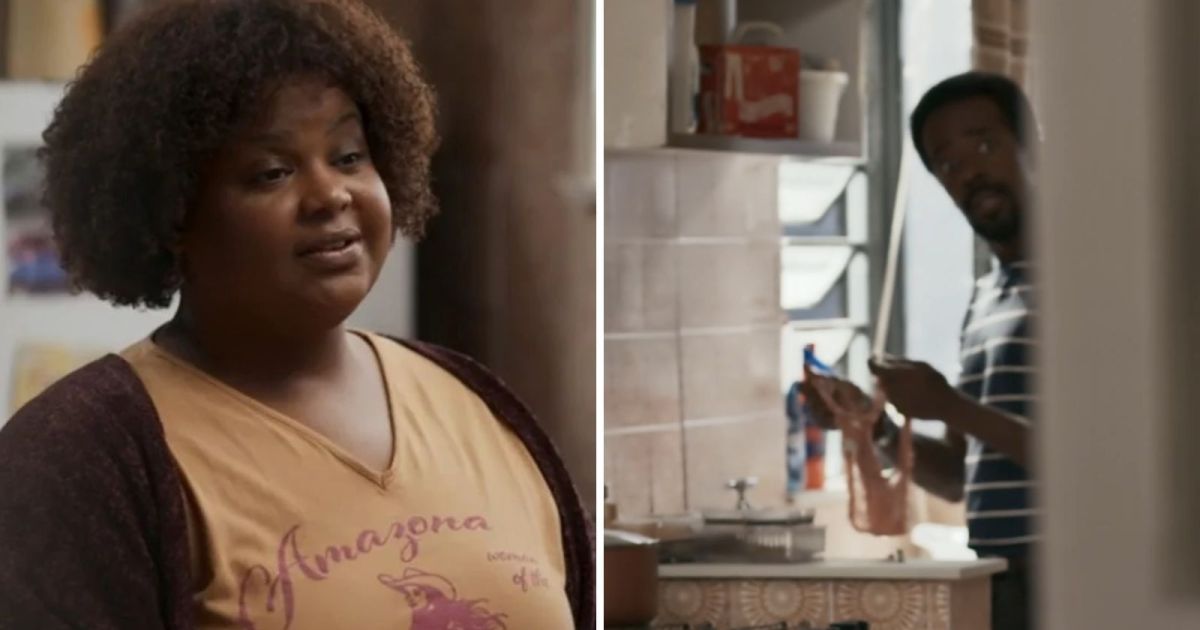
Mexican actress Darana Alvarez said it is vital for cinema to portray the reality of the majority of the population, following the success of her debut film Chicas Tristes.
Alvarez stars as Paula in the Mexican feature film, which won three awards at the 2026 Lima Film Festival, including the Nuna award for best screenplay and the Spondylus trophy for best actress, which Alvarez shared with her co-star. The film, directed by Fernanda Tovar, also won the Crystal Bear for best film and the Grand Prix of the Generation 14plus section at the Berlin Film Festival.

Chicas Tristes follows two teenage girls on a swimming team representing Mexico at a championship in Brazil. Alvarez said the film explores their daily lives in an underprivileged context as gender violence filters into their immediate environment.
Alvarez said she loved how Tovar portrayed the issues, avoiding a polarized view of men as bad and women as good. The director did a very good job of adding complexity, Alvarez said, because being a woman does not exempt one from responsibility, and there are women who do not support others. She said Tovar also added complexity to the men, as the two main support figures for Paula and her teacher, played by Rocio Guzman, are men, even though the assault in the film is committed by a man.
Creating the characters
The film finished shooting in June 2025 before premiering at the Berlinale, and is scheduled to premiere in Morelia in October. A further screening was scheduled for Monday following the fiction competition at the Lima Film Festival.
Alvarez said Tovar told the cast to take ownership of their characters, noting that while many directors refuse to let go of a role, Tovar told them the characters were written but belonged to the actors. Alvarez said the director told the cast they would create the roles and would know more about their characters than she did if something felt wrong during filming. Tovar gave them the freedom to create and modify texts during the shoot, Alvarez said, adding that the director was inspired by their improvisations and incorporated them into the script.
When asked if the film could raise questions about women who abandon their careers due to harassment without support, Alvarez agreed. She said that when constructing her character, she approached Paula as someone who believed her assault did not define her and who did not want to be seen differently. She said the character did not explicitly state this, but internalized that she was not what happened to her, but rather was defined by swimming, her friends and her family, because she had people around her reminding her of who she was.
Alvarez said she usually acted in a very outward manner, but Tovar guided her to internalize Paula's reactions because the character did not want to show her emotions. She said the director told her something that stayed with her: that it is sometimes more interesting to watch someone hold back tears than to watch them cry.
Normalizing violence
The actress said the film addressed how violence is normalized, noting that the aggressor in the story did not believe he had done anything wrong, and that there must be many such cases. She said the situation was so normalized that even Paula did not realize it was wrong until they researched it on ChatGPT.
Alvarez said she had read comments about the film suggesting that if the events depicted constituted sexual assault, then half of all women had experienced it. She said she knew some men were uncomfortable with the film or simply said they did not like it, while others repeated that it meant all women had been assaulted at some point, which Alvarez said was exactly what the film was about.
Rather than focusing on the event itself, Alvarez said it was very sweet that the film addressed how the assault affected the characters' environment, their bond and their friendship. She said the story showed how an act committed by another person could break them, highlighting the vital need for a support network. Dealing with the entire process of acceptance and mourning is difficult, she said, and it is crucial to have someone not only to help process the experience, but to be there in those silences.
Class and cinema
Alvarez said it was very important for Latin American cinema to address social differences, noting that commercial films often focus on the upper classes because it is easier to watch than reality. She said audiences sometimes go to the cinema wanting to evade reality and find it harder to watch something closer to their own lives because they identify with it, because it hurts, and because they know they are closer to that reality than to films trying to present life as a better world.
She said it was important to have cinema that portrays things as they are and reflects the reality of the majority of the population, noting that only a small sector is rich. For the wealthy, it is easier to file a police report, Alvarez said, but for those without resources, a complaint can take months. She said she had watched interviews with girls who went through similar experiences and said it took them two years of going to trial, with one victim saying she was still dedicating her life and significant amounts of money to the case while her abuser remained unprosecuted. Reporting crimes is not as easy for these sectors as it would be for the most privileged, she said.
Alvarez attributed the strong Mexican presence at the Berlinale to increased state support for filmmakers. She said they were told at the festival that it was the year with the most Mexican presence. She said Mexico had immense talent but historically lacked resources, making it difficult to produce work with small crews and few actors even with all the talent in the world. If that talent is given the resources to make art, these things happen and Mexico has great cinema again, she said.
Alvarez, whose background is primarily in theater, said she is continuing to act and is currently appearing in Eugene Ionesco's play The Bald Soprano. She said she is also still studying screenwriting and dramaturgy, and has written a lot about depression as well as from the perspective of children and how they view the world.