

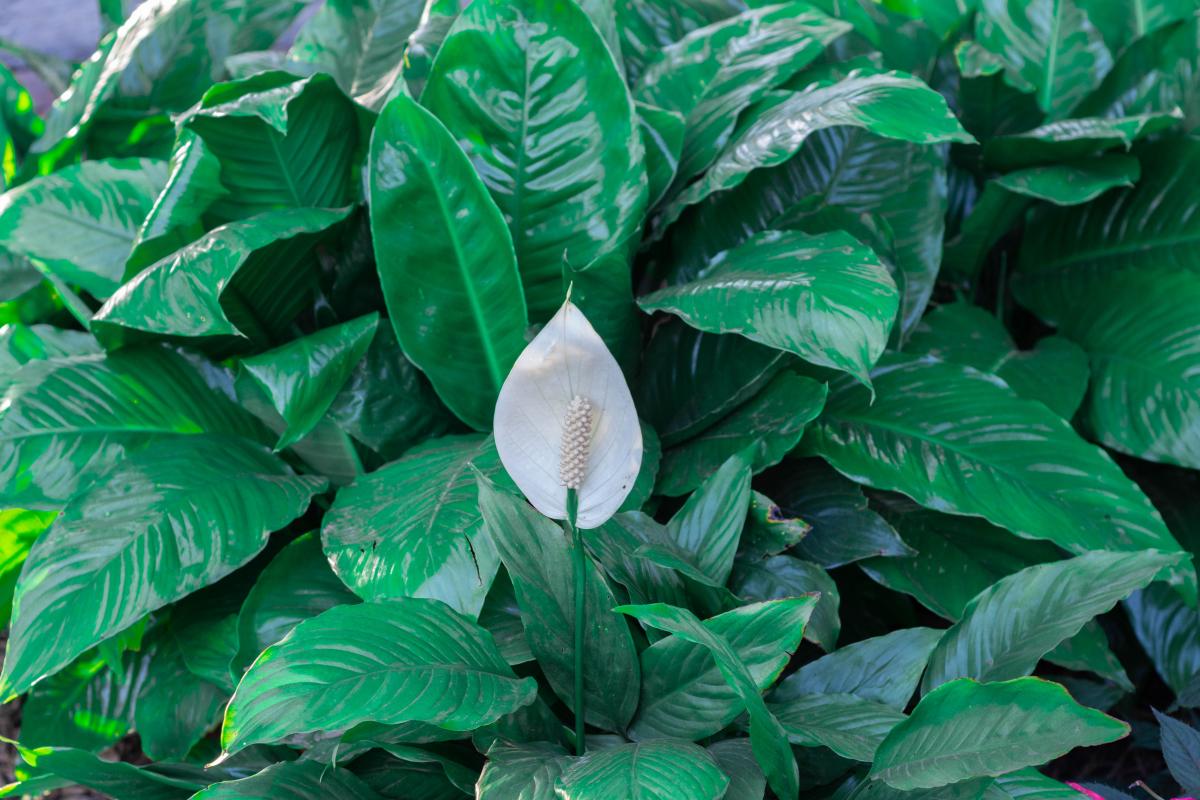
Spathiphyllum houseplants can be nourished using common kitchen food scraps rather than store-bought fertilizers, according to gardening outlet Kertvar.
The indoor plant, popular for its dark green glossy foliage and tall white flowers, benefits from organic waste items that supply key nutrients including nitrogen, potassium, and calcium.
Kertvar reported that utilizing household food remnants allows growers to maintain plant health without visiting garden stores. Beyond its ornamental appeal, the species is valued for its capacity to purify indoor air from toxins.
Spathiphyllum is native to Central America, spanning from the southern regions of Mexico to the northern territories of South America. It also occurs naturally in the Philippines, the easternmost islands of Indonesia, and parts of Asia. The plant is widely known by informal names such as the sail flower and female happiness, and is commonly referred to in English as the peace lily.
Organic soil treatments
To stimulate foliage development, Kertvar recommended incorporating coffee grounds into the potting soil. High in nitrogen, coffee grounds promote leaf growth while enhancing overall soil structure. For plants entering their blooming phase, banana peels cut into small pieces and buried in the pot supply phosphorus and potassium to support flowering.
Crushed eggshells provide a rich source of calcium to help the plant remain healthy. Additionally, small amounts of wood ash can be mixed into the soil or added directly to irrigation water.
Natural watering infusions
Liquid leftovers from cooking can also function as natural fertilizers. Water remaining after boiling vegetables is packed with minerals and can be poured over the plant once cooled, provided it contains no salt. Cooled, unsalted rice water contains a small amount of starch and acts as a mild nutrient supplement.
Growers seeking a natural nitrogen boost can prepare an infusion from nettles, which is then diluted with water before application. Kertvar previously published a list of five of the most low-maintenance houseplants for indoor environments.


