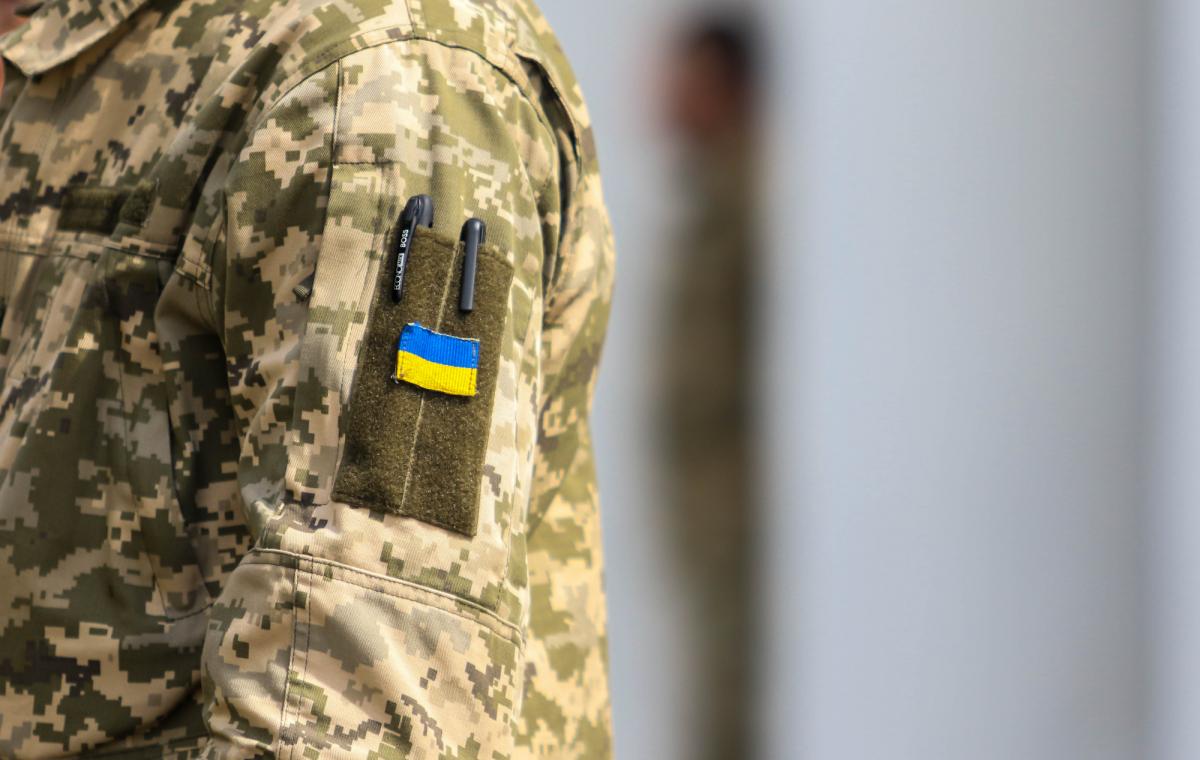
Ukrainian officer and entrepreneur Andriy Onistrat has stated that most military personnel and veterans who experienced heavy combat will require professional psychological support to recover.
Speaking in an interview with Naspravdi, the officer from the Central Directorate of Innovation Activity of the Armed Forces of Ukraine explained that returning to civilian life presents deep emotional challenges for servicemen.
Onistrat said it was difficult to accept how ordinary life continued unchanged while soldiers were away at war. He noted that encounters with injustice felt especially upsetting when combined with thoughts about lost years of life, career disruption, and missing colleagues.
Therapy and Recovery
Addressing his own experience with post-traumatic stress disorder, Onistrat revealed that he sought help from a trusted psychologist after his wife advised him to do so. He described seeking therapy as completely normal after both he and those close to him noticed warning signs in his behavior, including emotional outbursts and withdrawal.
He explained that army psychological support services operate formally and occasionally visit units to talk with troops, but he had no personal experience of quality interaction with military therapists. Instead, he sought private care, noting that his sessions were frequent initially but have since become episodic with longer periods between visits. He added that sports activities were also essential to his psychological recovery, stating he would have gone crazy without exercise.
Trusting Mental Health Professionals
Onistrat's comments follow earlier statements from a Ukrainian serviceman known by the call sign Vivtar. Vivtar said that many military members require psychologists who understand what troops went through themselves, noting that soldiers can only trust therapists with shared experience. He added that psychologists working with military personnel must maintain a high level of professionalism to help troops overcome complex challenges.
Post-traumatic stress disorder is a psychiatric condition triggered by experiencing or witnessing traumatic events such as warfare. Common symptoms include heightened anxiety, mood disruptions, and difficulty re-integrating into civilian routines. Psychological support frameworks help servicemen process combat trauma and navigate the transition back to daily life.