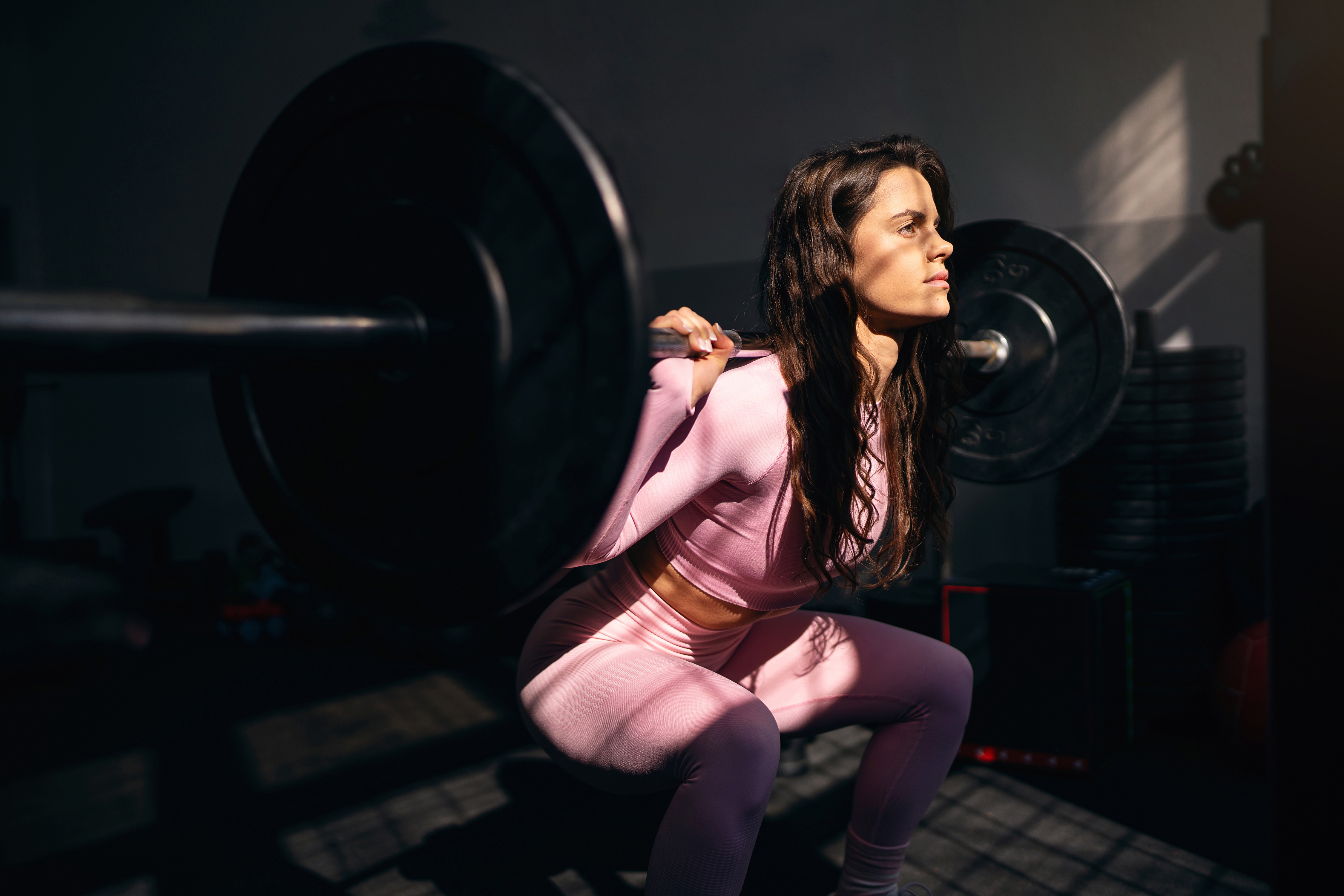
Weightlifting does not need to be avoided by people with varicose veins, according to vascular surgeon Aline Lamaita, who holds a master's degree in science from Santa Casa de Misericórdia de São Paulo.
Strength training has become one of the main tools associated with healthy ageing, valued for helping people preserve muscle strength, mobility and independence over time. But for women with varicose veins or who often feel heavy, swollen legs, a question has followed them into the gym: does lifting weights harm circulation and make the problem worse?
Lamaita said muscle strengthening can actually support the function of the calf, which acts as an auxiliary pump for venous return. She explained that this mechanism is especially important in the legs, because blood has to work against gravity to make its way back to the chest.
The benefit is not limited to strength exercises, Lamaita said. Walking and moving the ankles also causes muscles to contract and compress the veins, helping push blood back toward the heart, she added.
Lamaita cautioned against confusing the benefits of training with actual treatment for varicose veins. Physical activity can support circulation and help manage some symptoms, she said, but it does not eliminate dilated veins or correct structural changes or venous reflux. Where varicose veins are already established, she said, a specialist evaluation is needed to assess the extent of the condition and discuss the most suitable treatment options.
What to watch for during workouts
Having varicose veins does not mean giving up weight training or avoiding strength exercises altogether. The consensus among specialists, according to the article, is to prioritise moderate weights and higher repetitions, though individualised guidance helps determine the right routine for each person.
Keeping up strength exercise becomes even more important during menopause, since it is one of the key ways to preserve muscle mass and function, which can decline with age. The recommendation is to combine resistance training with aerobic activity and avoid long periods without movement.
Lamaita said venous disease has multiple causes, with factors such as age and genetic predisposition playing a role in its development. Long periods spent sitting or standing without moving can worsen discomfort in people with venous symptoms, she said. Breaking up those periods with short walks and ankle movements is a simple measure that can be built into daily routines, she added.
Warning signs that need urgent attention
Lamaita also flagged symptoms that should not be mistaken for ordinary tiredness after a gym session. Sudden swelling in just one leg, particularly when accompanied by pain, warmth or redness, requires urgent medical evaluation, she said, since it can indicate deep vein thrombosis.
Test yourself
According to Aline Lamaita, what role does calf muscle strengthening play in circulation?
What training approach do specialists recommend for people with varicose veins?
Which symptom did Lamaita say requires urgent medical attention?
Have your say
Do you check with a doctor before changing your exercise routine due to circulation concerns?