

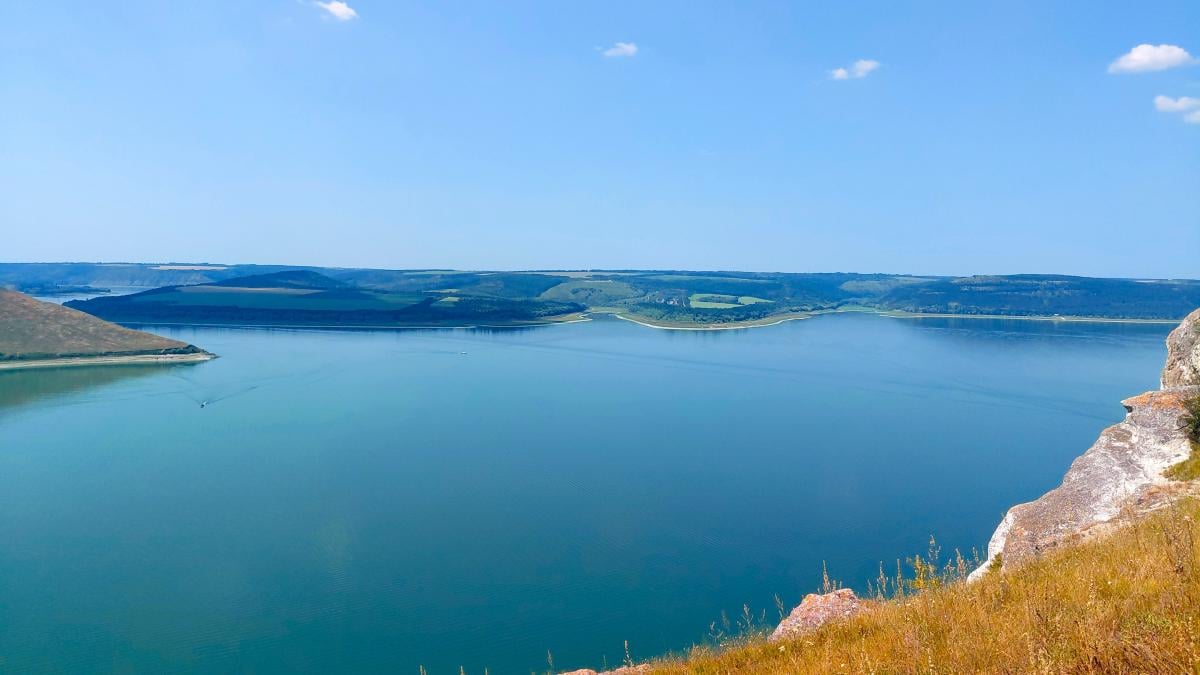
The State Agency for Tourism Development and Brand Ukraine led a tour to the flooded village of Bakota in early August 2026 to launch a national travel initiative.
The demonstration tour of the Khmelnytskyi region took place ahead of a domestic tourism program titled Journey to Yourself. Paths of Recovery. The itinerary highlighted the scenic Dniester River banks while exposing infrastructure challenges that face visitors to the area.
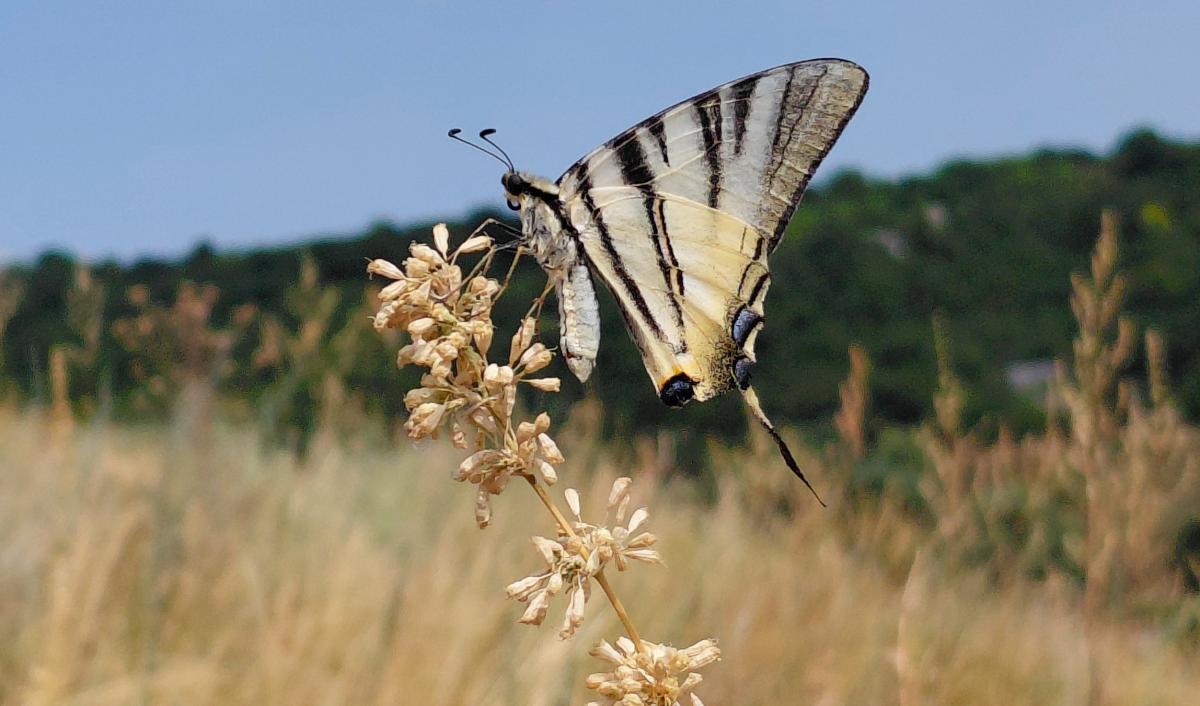
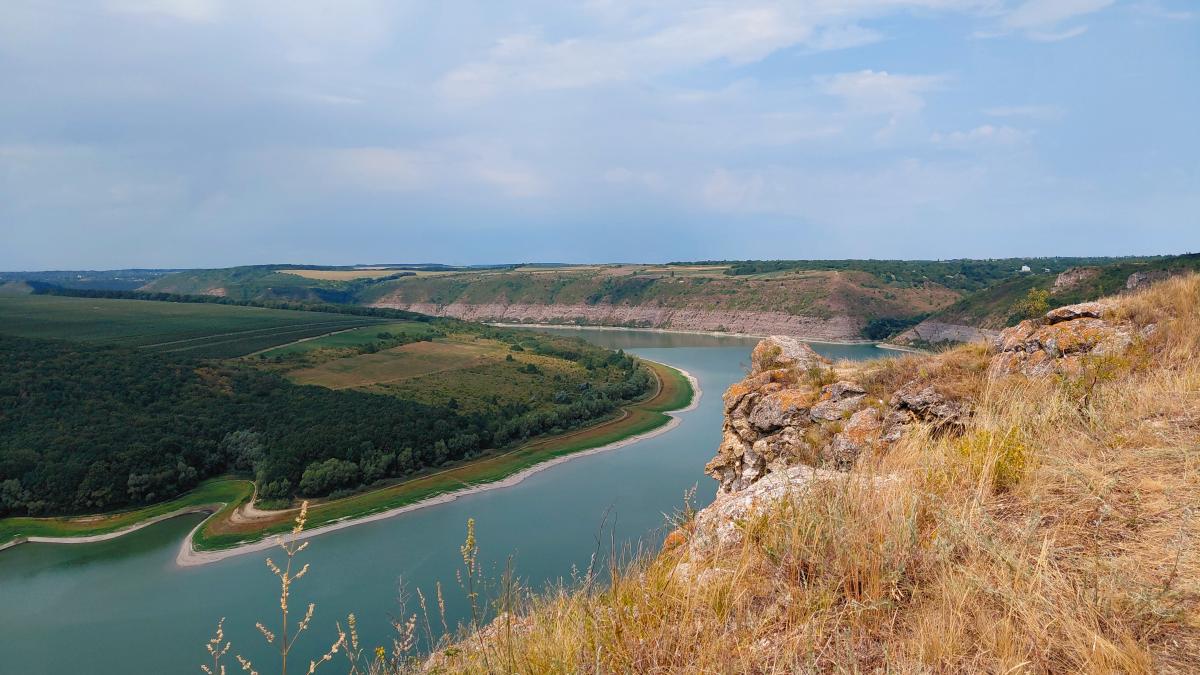
Bakota, located about 55 kilometres from Kamianets-Podilskyi, sits within the Podilski Tovtry National Nature Park. Soviet authorities completely flooded the original village in the 1970s and 1980s to build a hydroelectric power station.
Residents were forced to dismantle their own homes and cut down their orchards before abandoning their land to relocate to often worse conditions. Surviving witnesses to the flooding still live in the region.
Organisers warned that while the destination is popular, tourists must navigate poor roads and a shortage of accommodation. Capital construction is banned within the national park, preventing the development of large hotel complexes.
Road access and transport
Travel from Kamianets-Podilskyi takes approximately one hour by car. Drivers are unable to travel at high speeds. The roads remain difficult for standard vehicles. The tour group travelled in Toyota sport utility vehicles to negotiate rocks and potholes that would trap cars with low ground clearance.
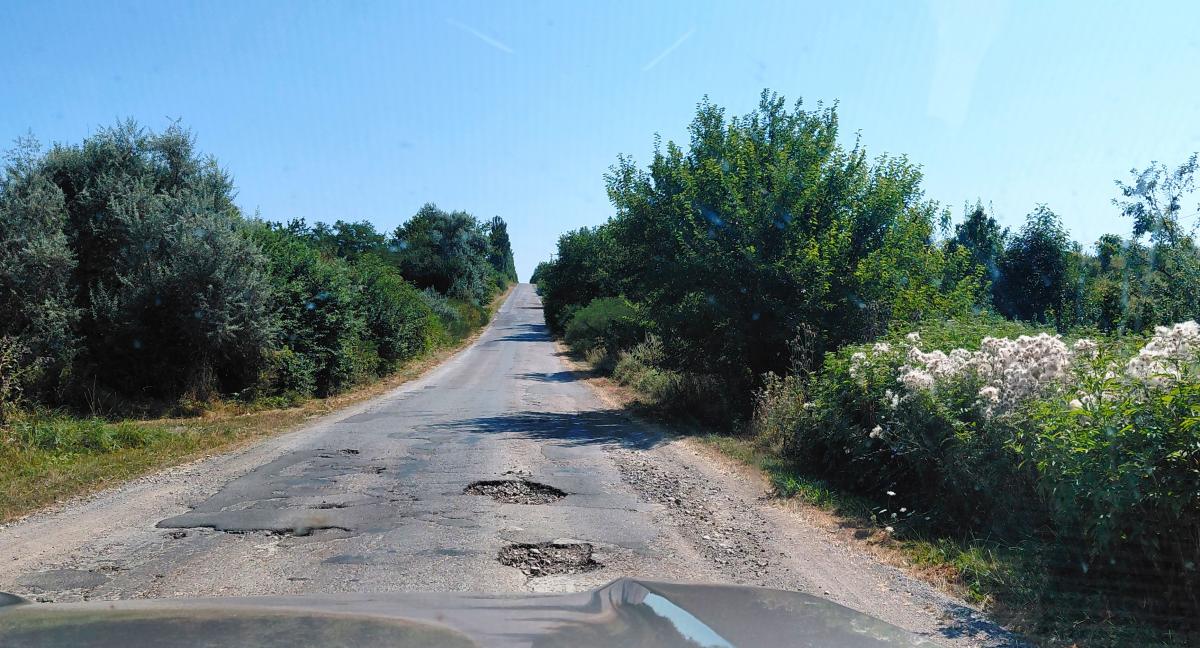
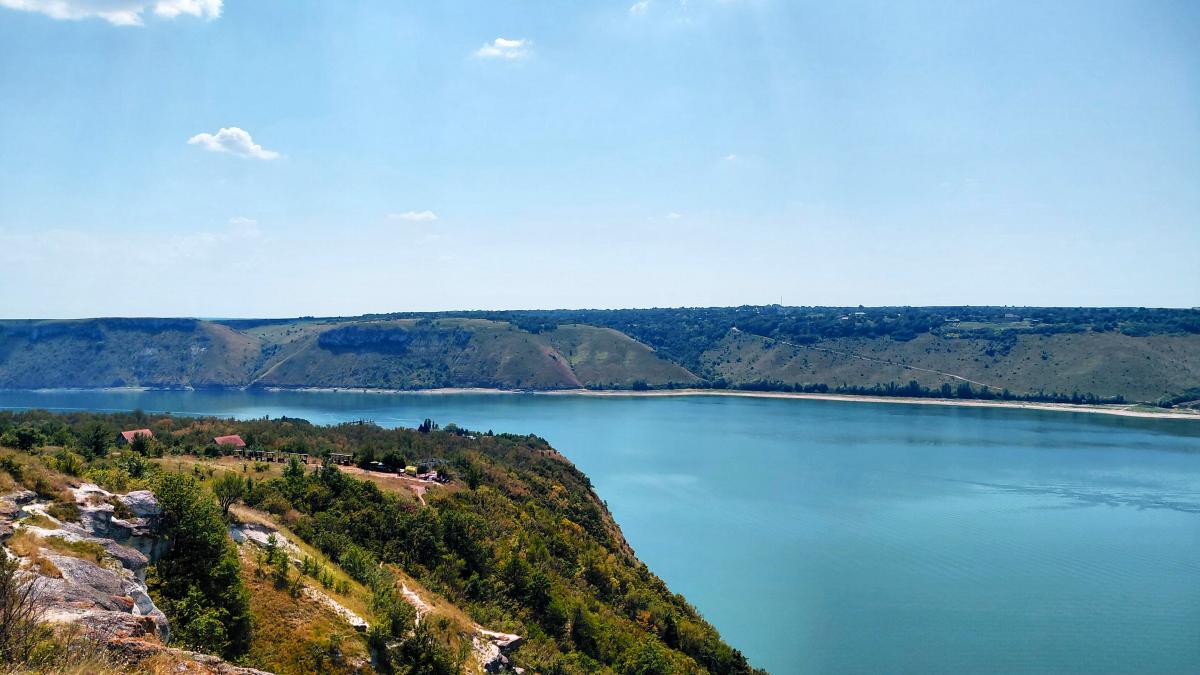
Weather determines access to the Dniester slopes. Heavy rain or snow makes the local roads very difficult to pass. The landscape also changes through the summer, with bright green grass and wildflowers in June turning dry by August. Water in the bay appears blue in sunny weather but turns murky during rain.
Travel planners advise visitors to spend a day or two in Kamianets-Podilskyi before setting out in the morning to explore the river banks, either returning to the city at night or finding accommodation near the water.
Public transport access remains a major obstacle for domestic tourism. About ten buses run daily from the Kamianets-Podilskyi bus station to the village of Hrushka, with tickets costing 165 hryvnias. The walk from Hrushka to Bakota is slightly less than eight kilometres.
Three daily bus services operate to the village of Horaivka, costing about 190 hryvnias. Visitors must then walk five kilometres to reach the main observation deck overlooking Bakota Bay.
Glamping and campsites
Accommodation consists mostly of temporary riverside structures, which close during the winter. Placements fill up fast. By August, local sites were booked until October, and visitors are advised to reserve summer spots in February or March.
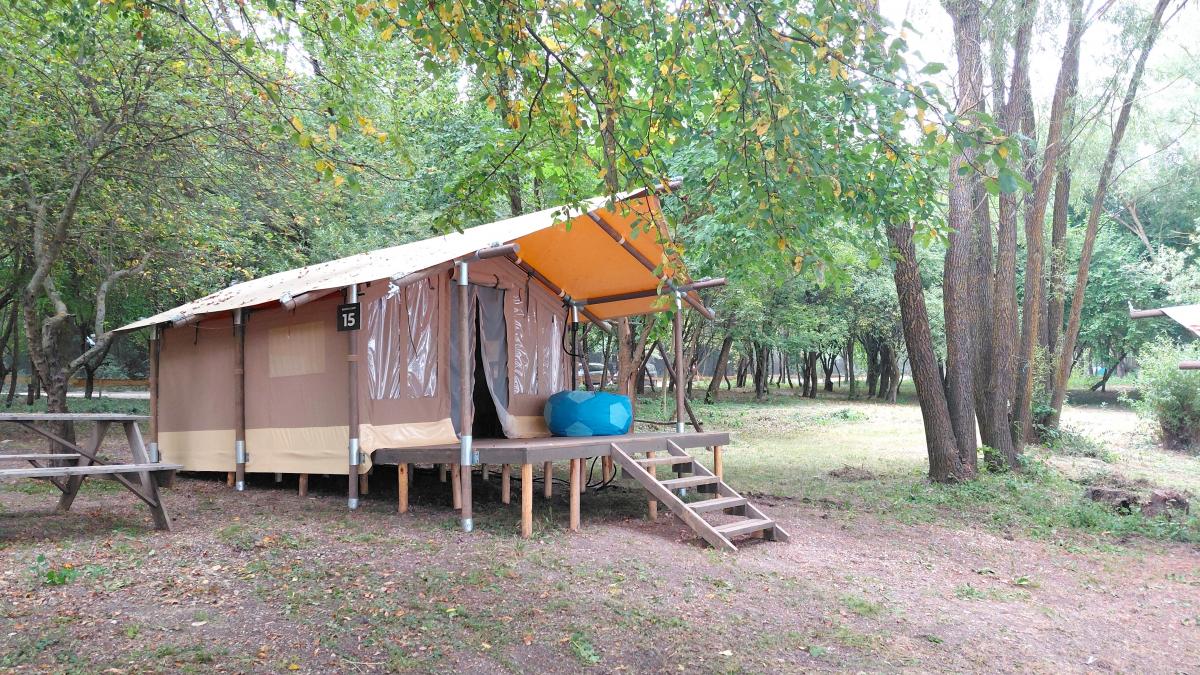
The Prozori glamping site offers tents on wooden pallets starting at 2000 hryvnias a night, providing basic conditions. TerraBakota has temporary cabins with private facilities from 4000 hryvnias a night.
Most glamping operations also charge 500 hryvnias a day for tourists to pitch their own tents. The Medova Bakota eco-location allows visitors to camp on rocks overlooking the bay. The site sells local honey, runs a restaurant and offers apitherapy sessions resting on beehives.
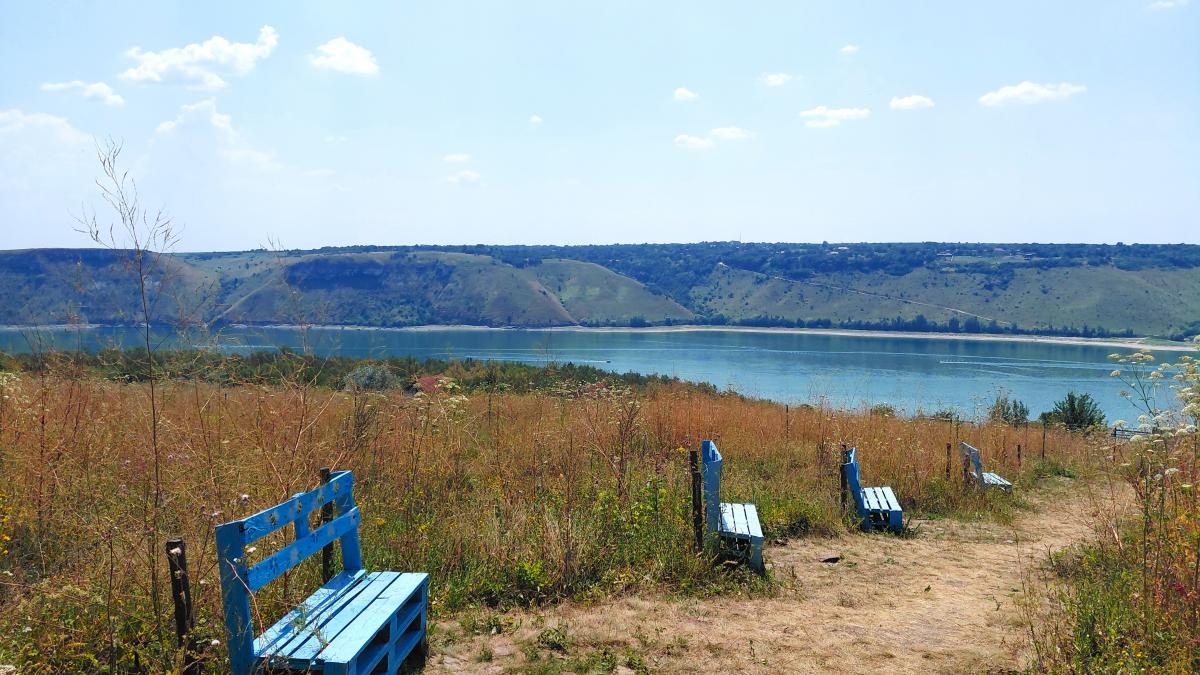
Budget locations use shared outdoor showers and toilets, which are often located far from the tents, while cabins feature indoor plumbing. Most sites provide electricity, cooking areas and wireless internet, which is necessary because mobile network coverage is weak. Several sites operate cafes and small shops nearby.
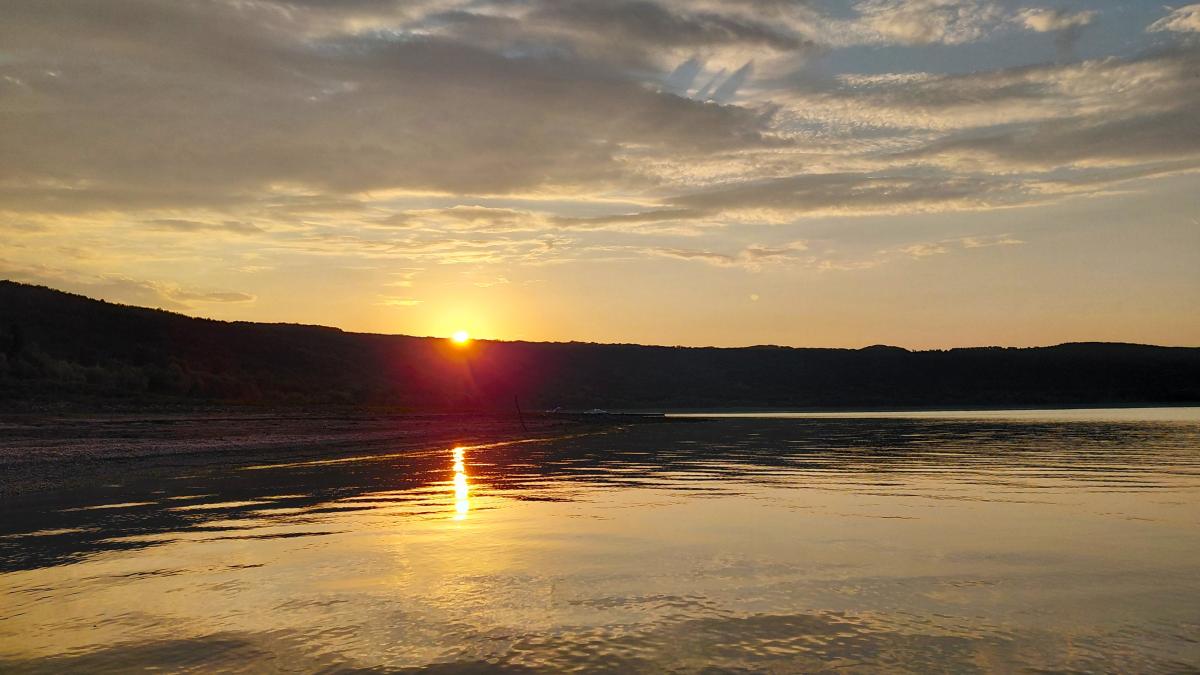
Tourists must use private cars to reach the campsites and store their belongings, as basic tents do not have locks and security is not guaranteed.
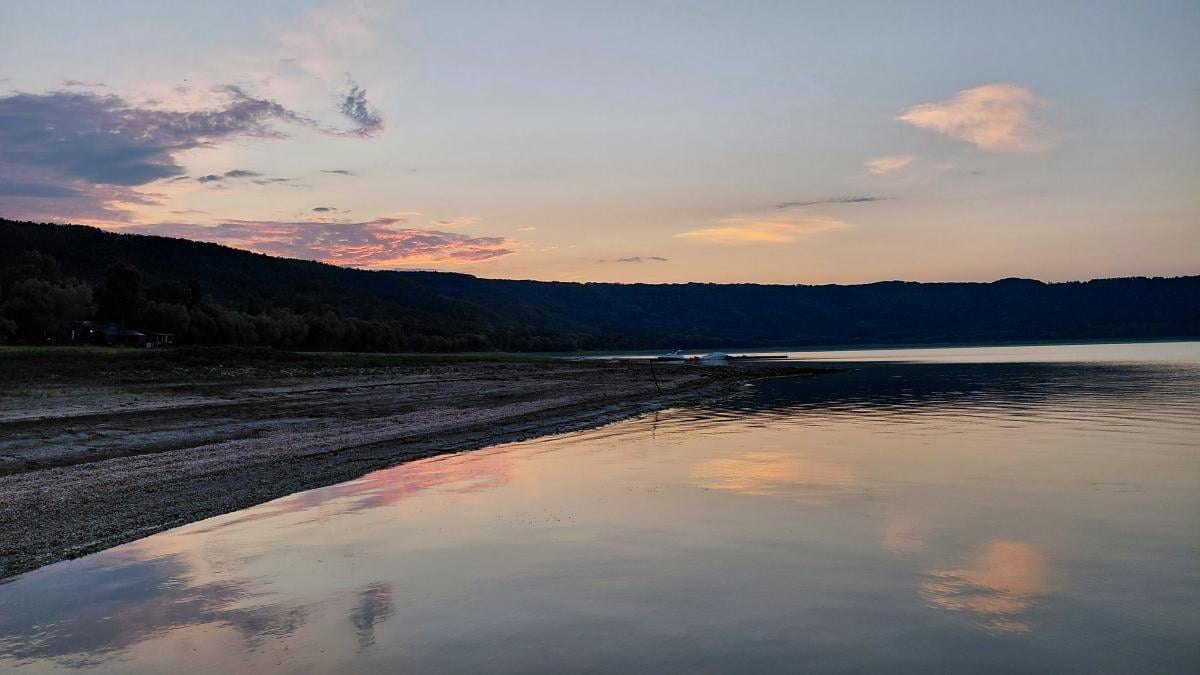
Year round guest houses operate in surrounding villages, with prices starting from several thousand hryvnias. The Dim Mandrivnyka estate, three kilometres from Bakota, charges 2900 hryvnias for a room and offers meals, bicycle hire, grills and transfers. Taxi services in the villages are restricted or non existent.
Viewing platforms and history
The Davnia Bakota recreation area near Horaivka provides the main views over the bay. Entry costs 100 hryvnias for adults, who must walk on designated wooden bridges to protect the environment.
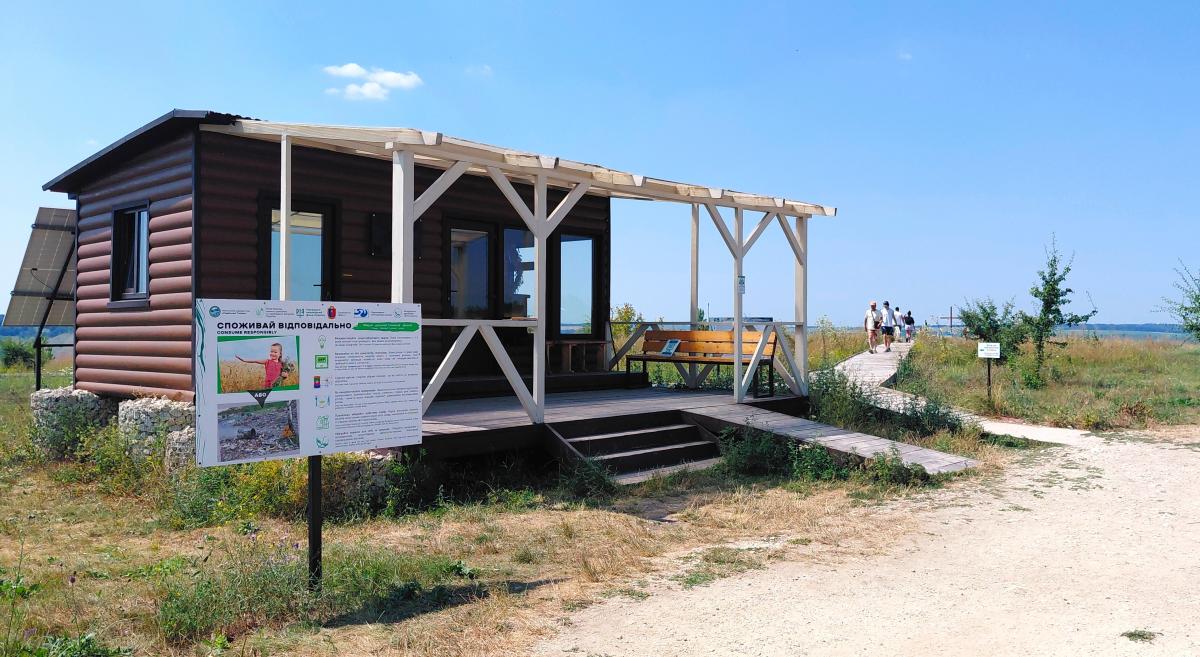
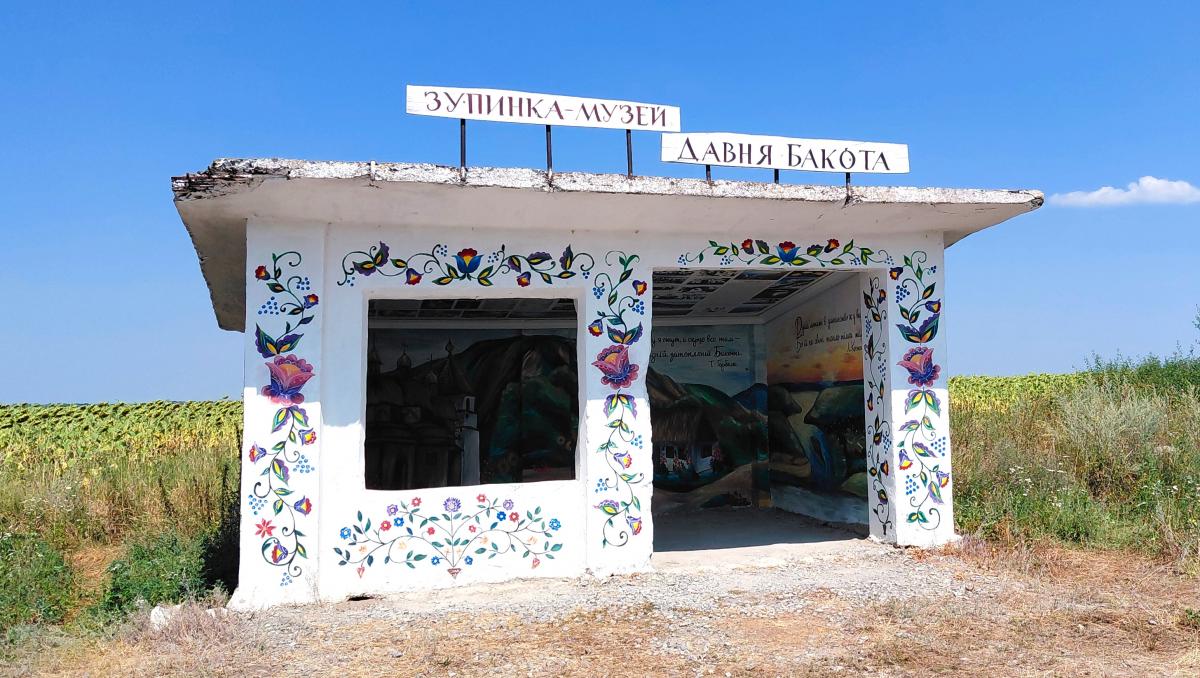
A bus stop museum at the site displays archival photographs of residents and information boards detailing the history of the flooded settlement.
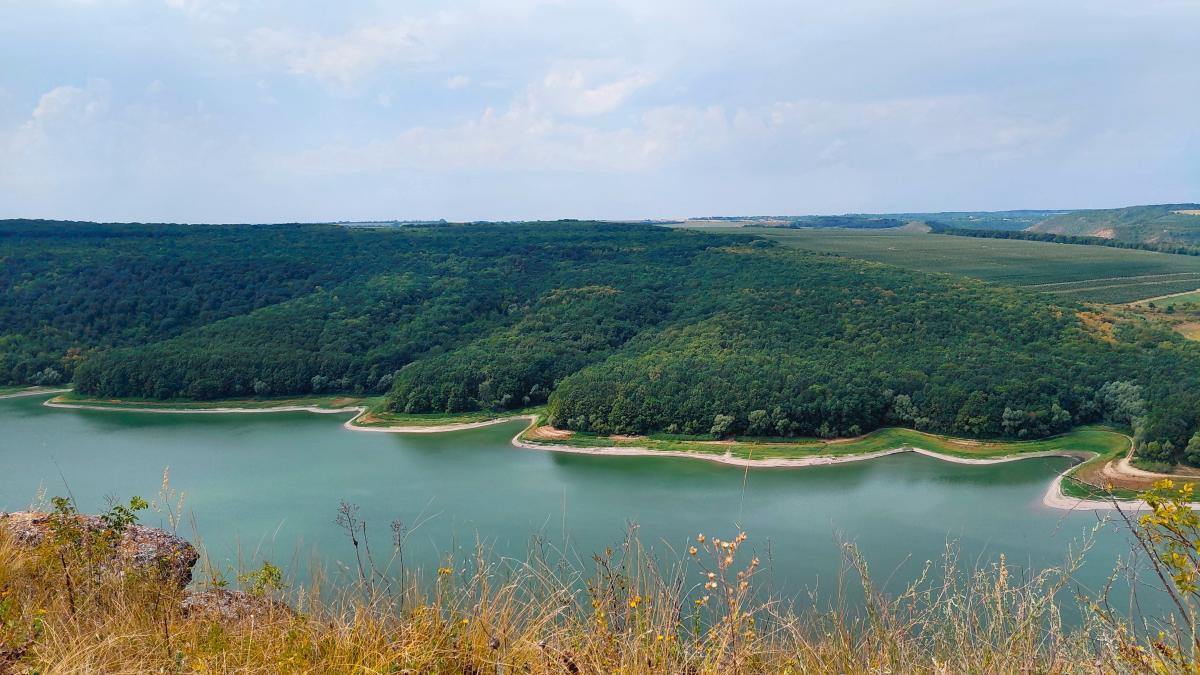
The Dniester River runs through a canyon across several regions, offering other scenic locations. The Subich rocks, near the village of Subich, feature wilder landscapes and distinct terrain accessible on foot, by car or by bicycle.
Village museums and activities
The area falls largely under the Staroushytska territorial community, which covers the settlement of Stara Ushytsia and the villages of Horaivka, Hrushka, Huta-Chuhorska, Kashtanivka, Krushanivka, Lypy, Lyskivtsi, Luchky, Nefedivtsi, Podilske, Runkoshiv and Chabanivka. The local administration is creating unified route maps and service catalogues to boost tourism.
Hrushka has installed a multimedia information stand and opened an ethnoskansen displaying Podillia painting traditions. Planners intend to convert historic houses at the site into tourist accommodation.
The Bakota Hub art space in Horaivka hosts cultural events and art residencies, operating a hostel that sleeps 25 people. The village of Chabanivka maintains a Folk Museum holding more than a thousand exhibits on regional and national history.
The Bakota Mykhailivsky cave monastery and the Subich rock monastery are free to enter for visitors willing to make the physical effort to reach them. Several local beaches offer visitors a place to swim during hot weather.
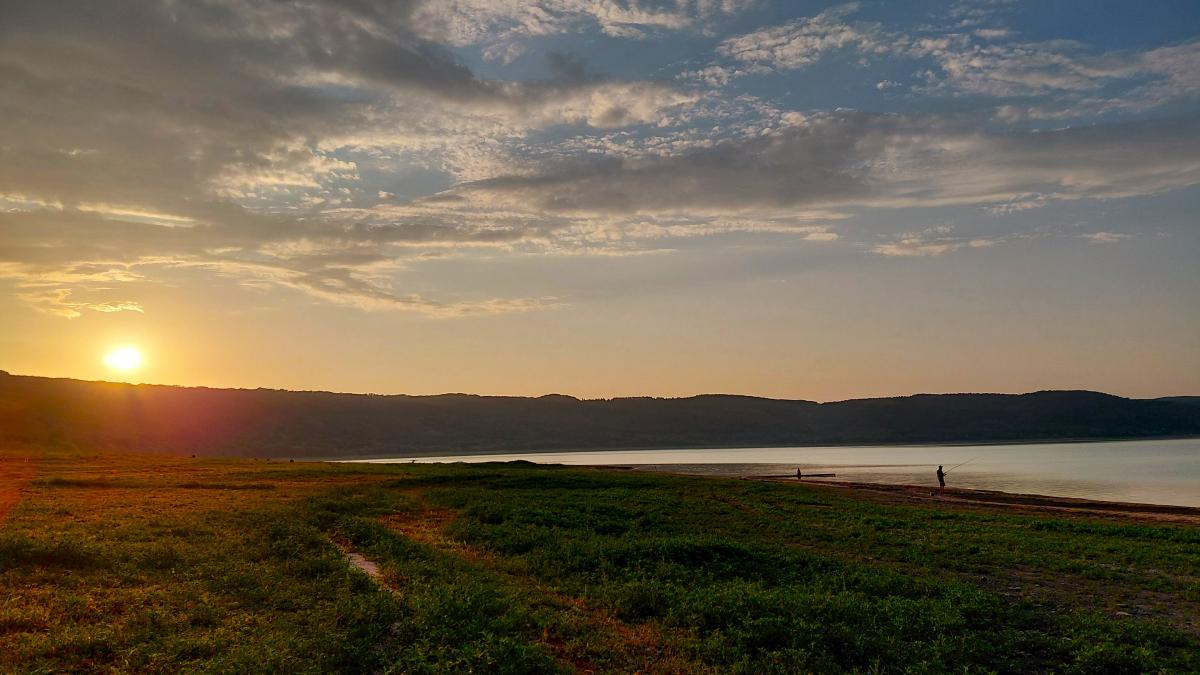
The local water school runs kayak and paddleboard trips on the Dniester at dawn. Yachts and motorboats take tours of Bakota Bay in the evening, particularly at sunset. A vessel named Houseboat is available for excursions, fishing, corporate events, birthday parties and overnight stays.
The UtaClub in Hrushka organises hiking, bicycle tours and cross country skiing. The Kytaihorod outcrop eco trail, a half hour forest walk with few tourists, leads to a cascade waterfall.
Local eco farms sell Podillia cheeses, sausages, honey and herbs. Wine tasting is available at the Zelenytsi Winery, Bakota Bay, Bohdan's Winery and the Onyshchuk grape estate.


