

Ukraine launched a national tourism program called Journey to Yourself: Paths of Recovery in Khmelnytskyi Oblast on August 11 to help citizens restore strength. The State Agency for Tourism Development of Ukraine, known as DART, developed the project alongside the non-governmental organization Brand Ukraine to establish curated travel destinations across the country during the fifth year of the full scale Russian invasion.
The initiative launched in a test phase with a dedicated website allowing users to build personalized itineraries based on individual needs. The portal lists verified businesses, accommodations, cultural sites, and workshops that meet official registration and quality standards. Journalists from UNIAN Tourism joined the testing process in Khmelnytskyi Oblast as part of the project To Yourself Through Native.
Natalia Tabaka, the head of DART, said the goal was to make travel in Ukraine an effective means of recovery. She explained that the digital platform helps citizens find places to slow down, rebuild energy, and connect with local culture. Tabaka emphasized that psychological and physical restoration is a necessity for military personnel, veterans, and their families. A recent study titled Tourism During War: Data, Insights confirmed that veterans and active service members rely on regional trips to spend time with relatives and temporarily distance themselves from combat.
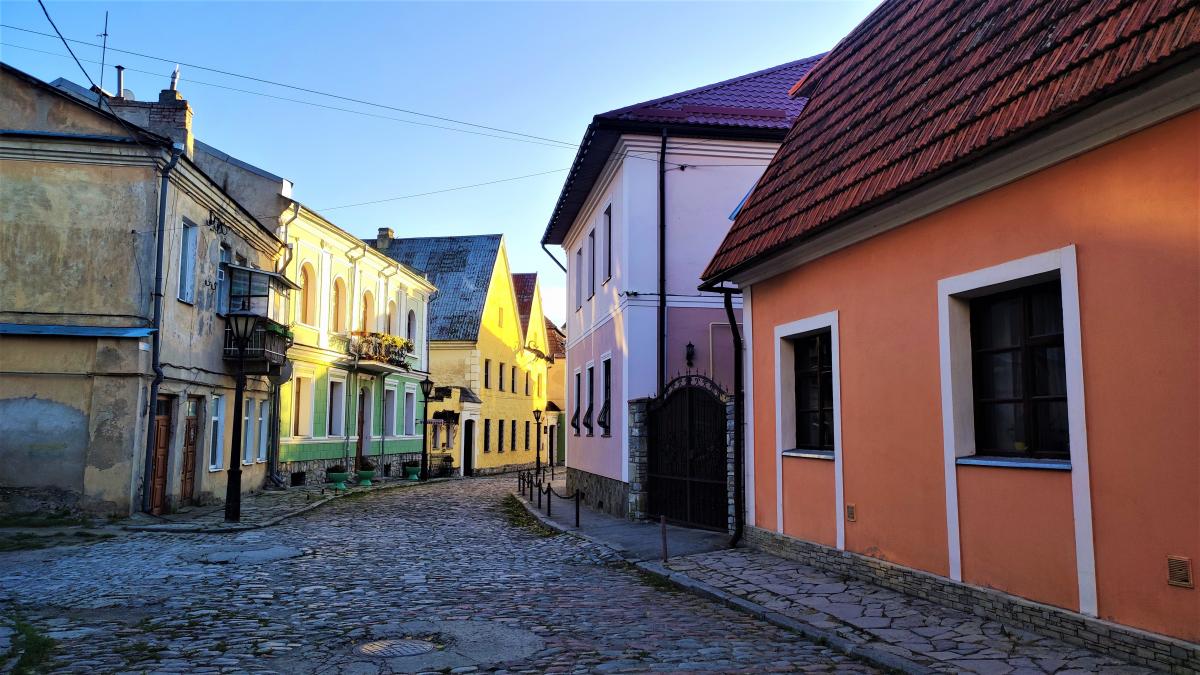
City strategy and historic accommodation in Kamianets-Podilskyi
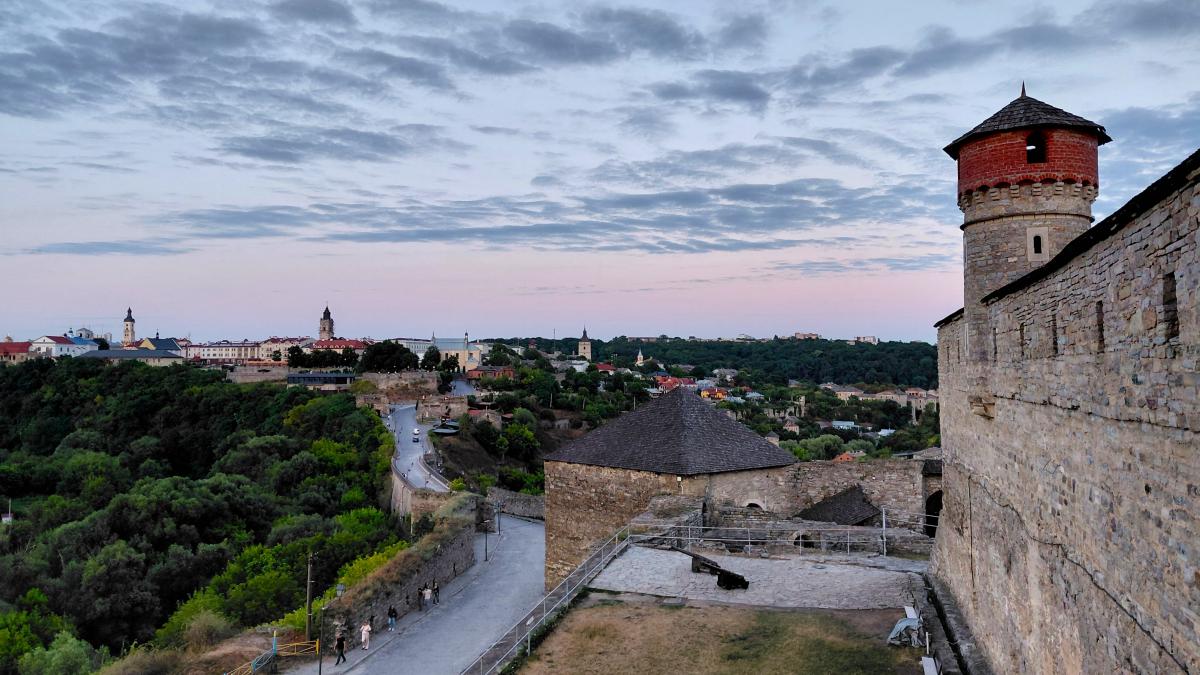
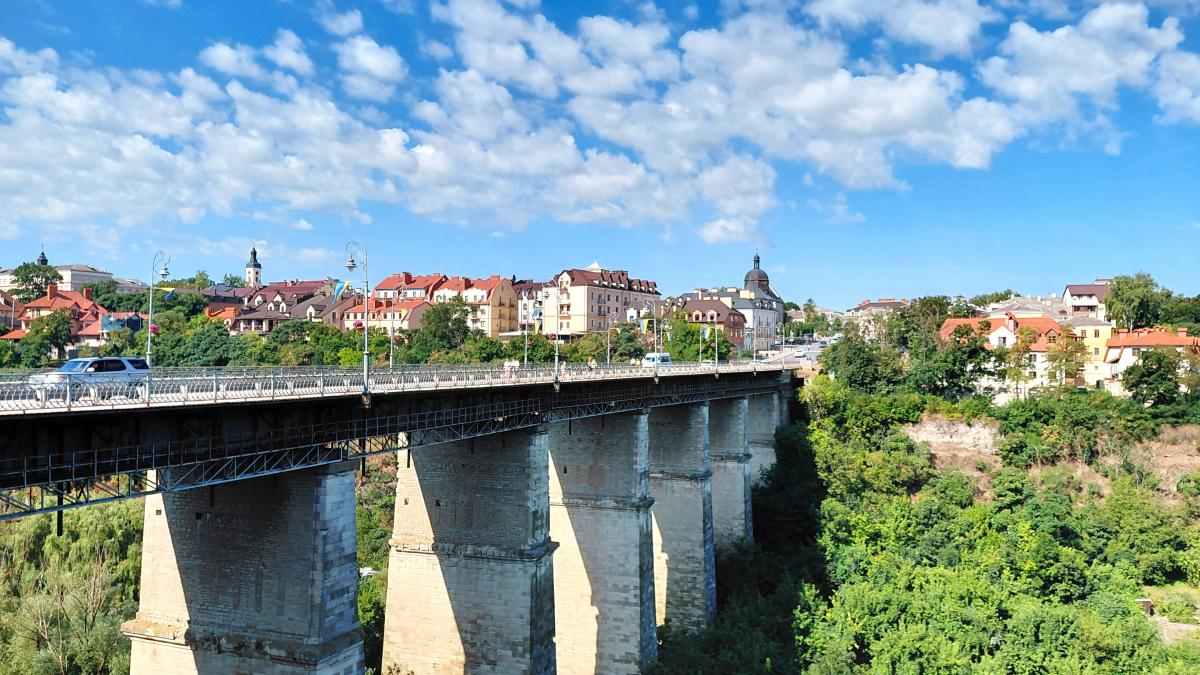
The program relies on the philosophy of slow travel, prioritizing deep cultural immersion and environmental connection over fast paced sightseeing. The route in Khmelnytskyi Oblast begins in Kamianets-Podilskyi, an ancient city famous for its medieval fortress.
Vadym Mendohralo, the deputy mayor of Kamianets-Podilskyi, said municipal leaders are working to transform the city from a single-day excursion site into a multi-night destination. He noted that long-term stays generate municipal tax revenue and local employment because visitors spend money on accommodation, dining, craft goods, and historic sites.
City council statistics show high hotel occupancy this season, driving investment in upgraded lodgings. The mini-hotel Smotrytska Vezha, located along the edge of Smotrych Canyon, expanded its capacity this year by opening a five-room wing alongside the original building established in 2021. Room prices range between 1,000 and 2,500 Ukrainian hryvnias per night, with swimming pool construction scheduled for completion by the end of summer.
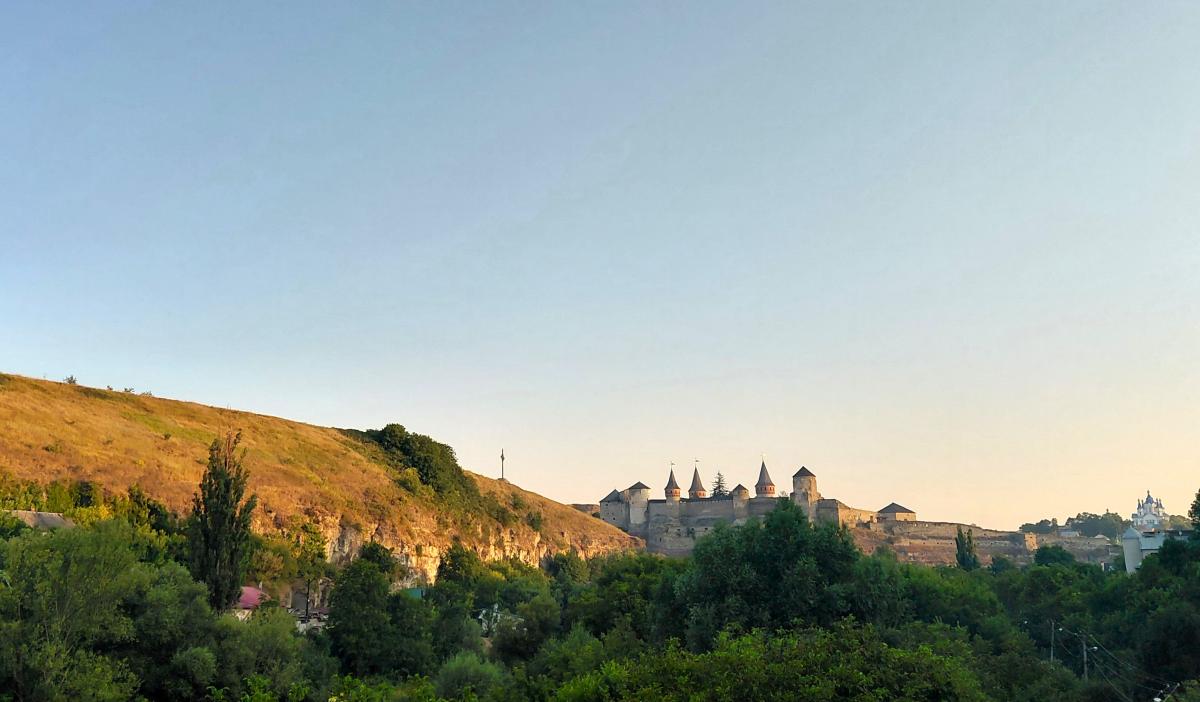
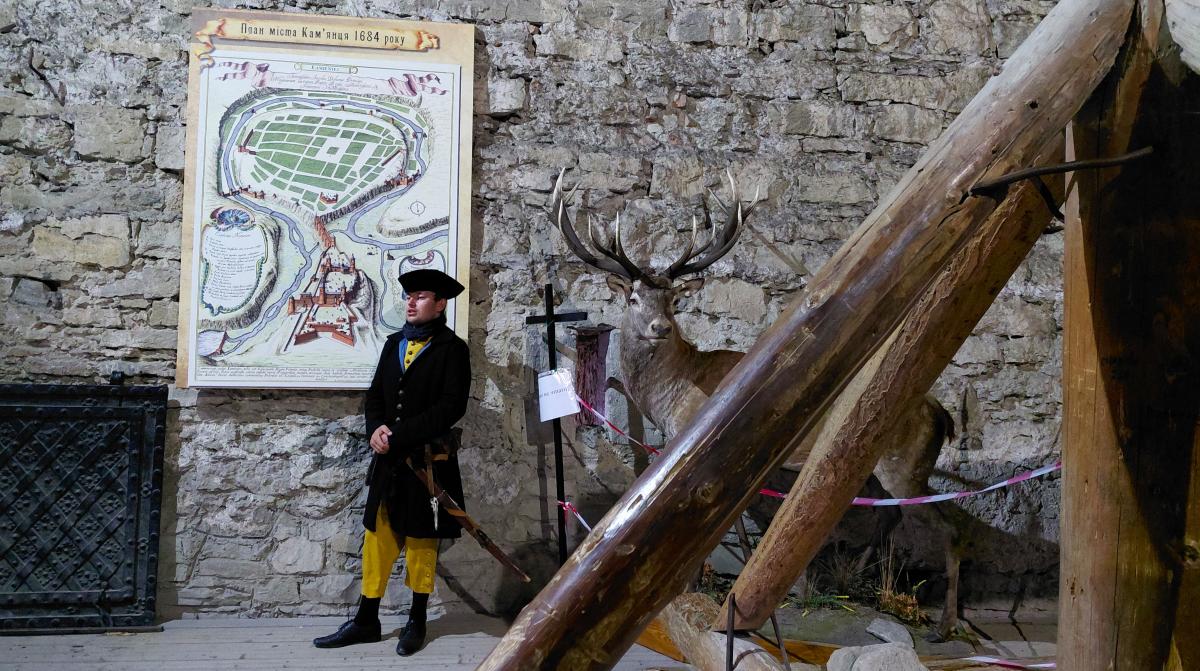
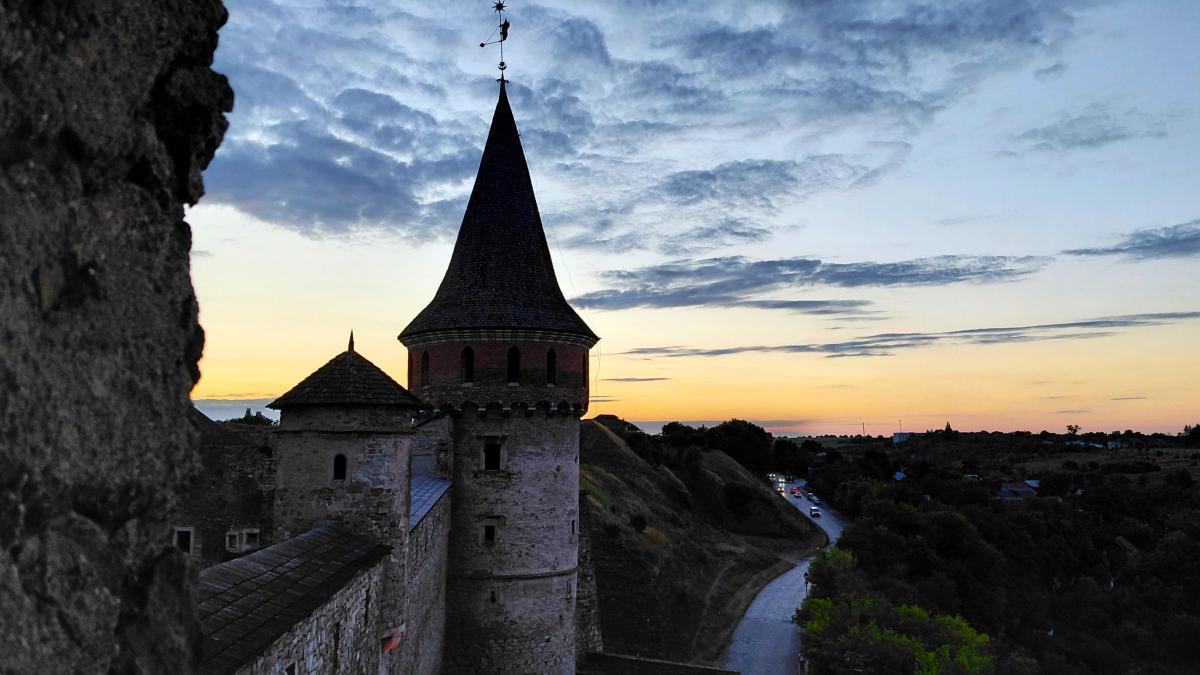
Local guides dressed in period costumes conduct theatrical tours through the castle grounds, highlighting historical facts about the fortress. Visitors can view the surrounding landscape from the castle walls at sunrise and sunset.
Museums and river rafting on the Smotrych
The Kamianets-Podilskyi State Historic Museum-Preserve oversees the main fortress alongside the Town Hall and the Museum of Antiquities.
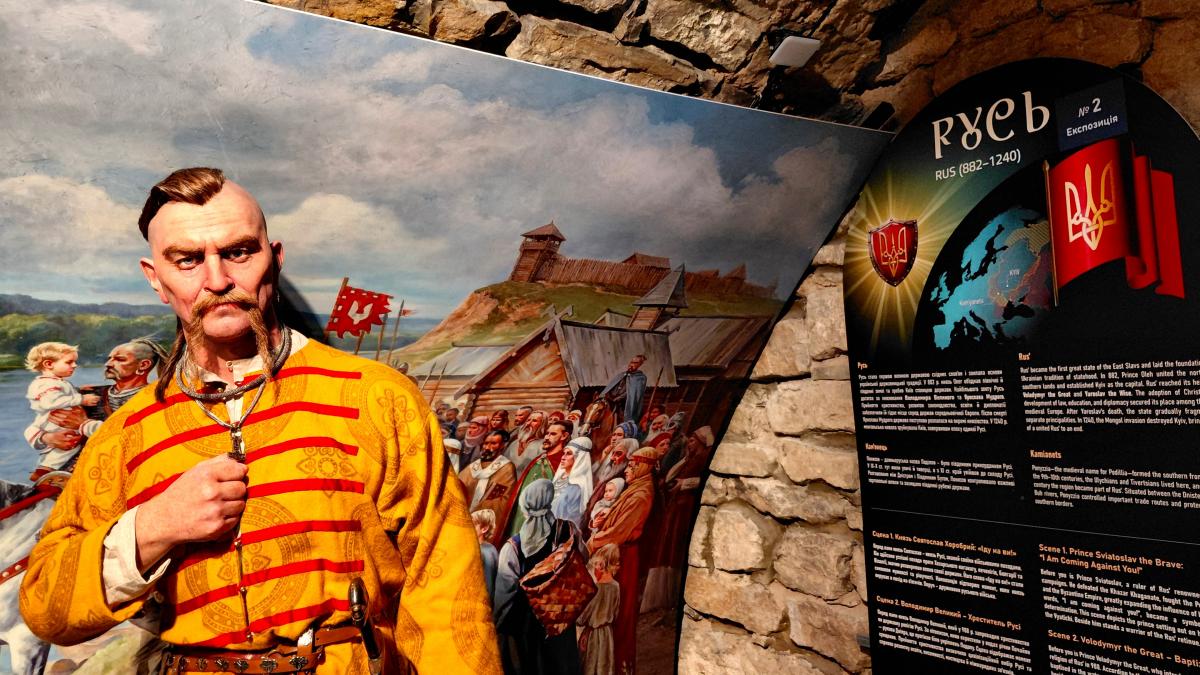
A private museum named From Rus to Ukraine: Kamianets Through the Ages opened recently in the city center. The venue features a multimedia tour with realistic figures of historical figures, interactive quizzes, and information displays detailing regional history over several centuries. The exhibition concludes with displays dedicated to modern Ukrainian wartime history and visions of the future.
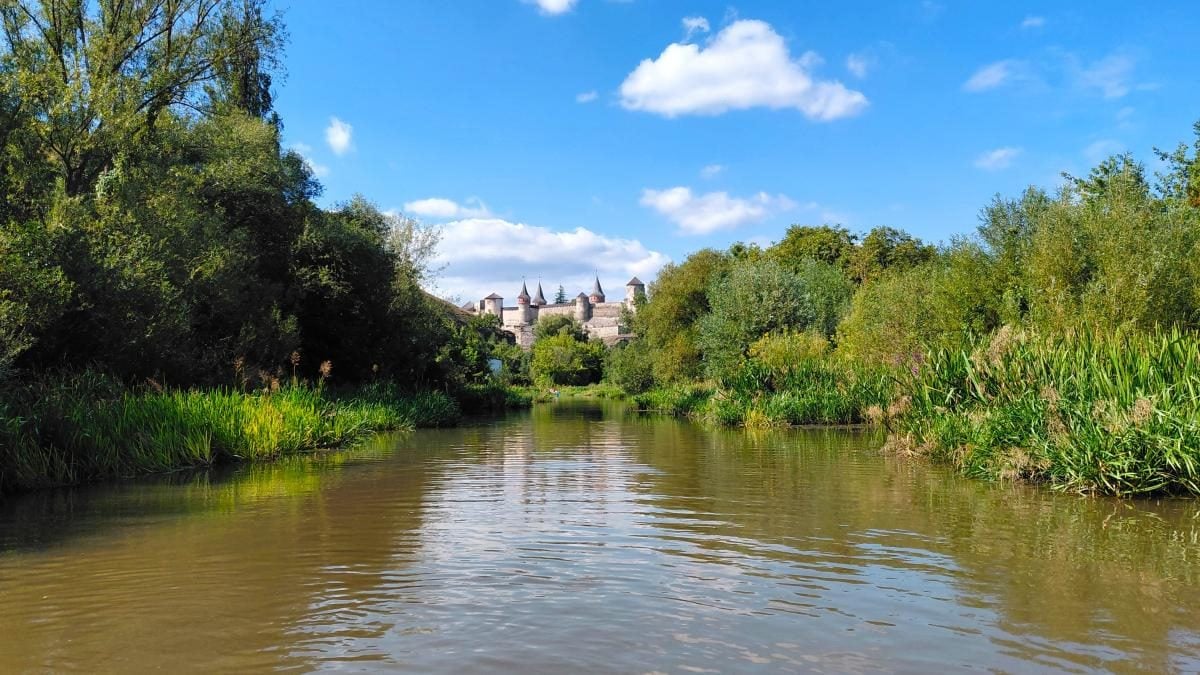
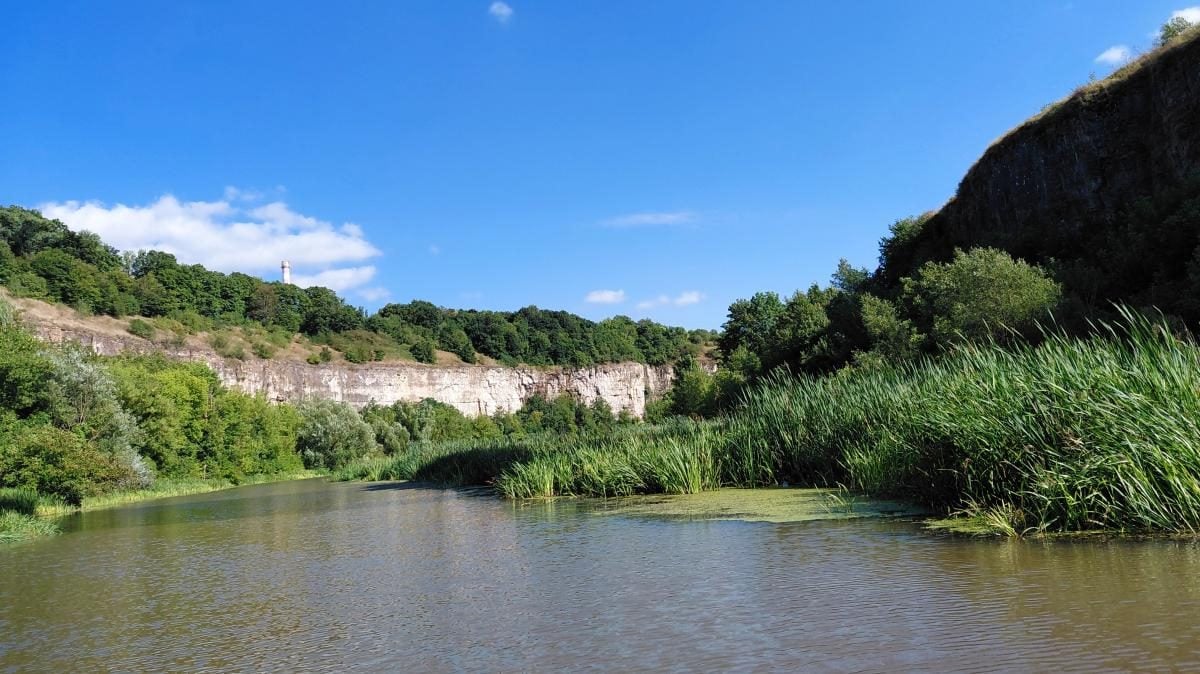
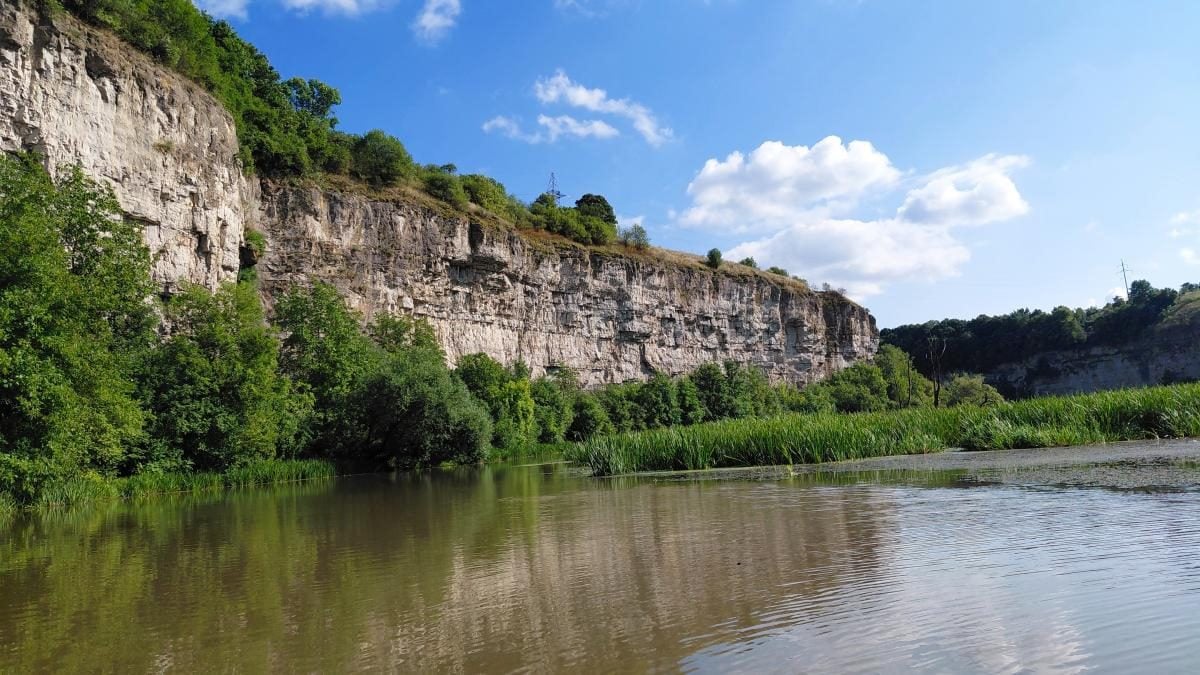
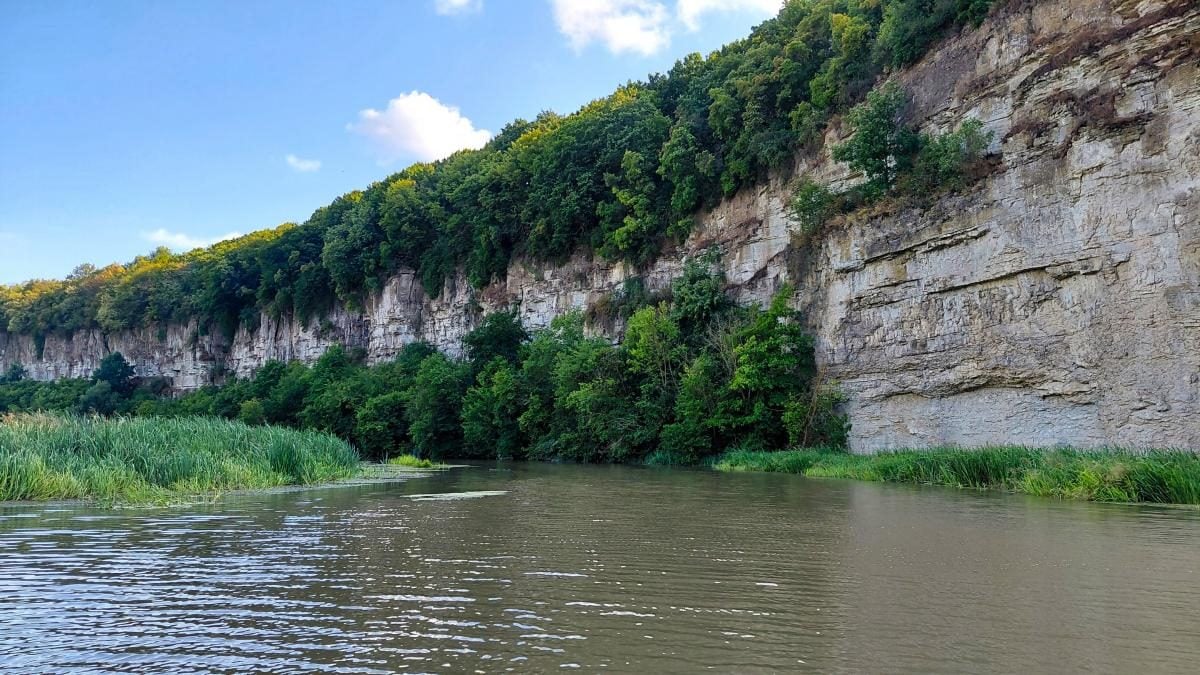
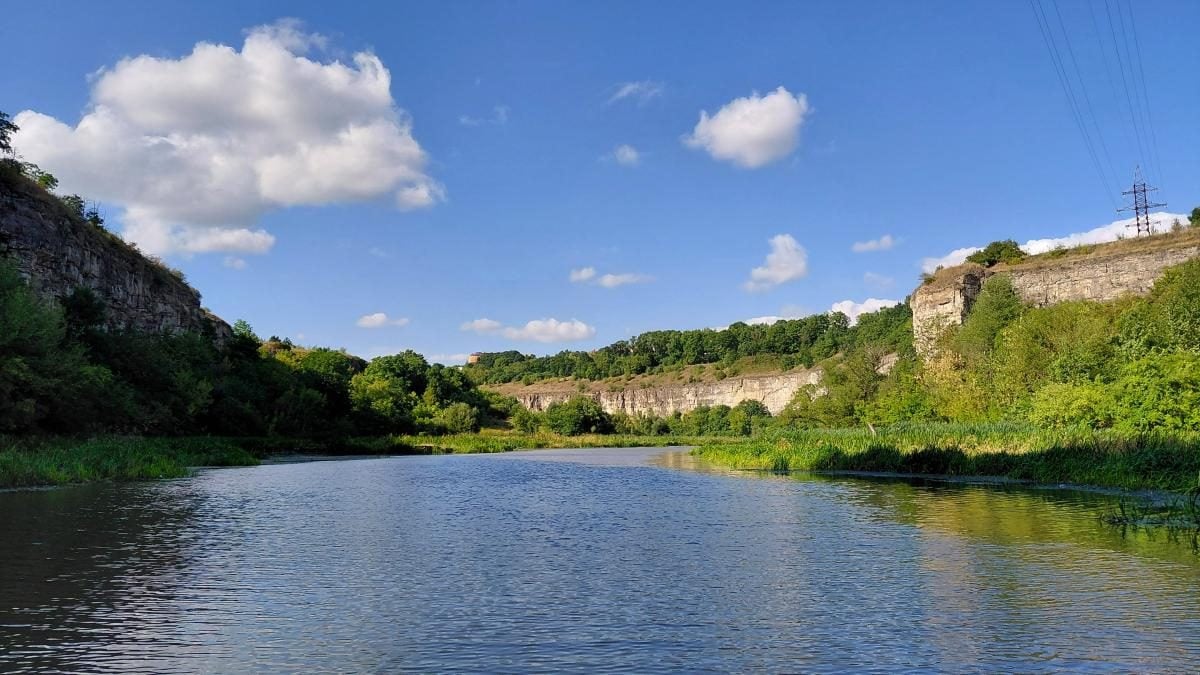
Outdoor activities in the city center include catamaran and kayak rafting along a five-kilometer stretch of the Smotrych River near the fortress. Guides from the organization Terra Podolica, who are professional geologists, lead two-hour river tours explaining local rock formations, flora, and wildlife.
Flooded history and nature trails at Bakota
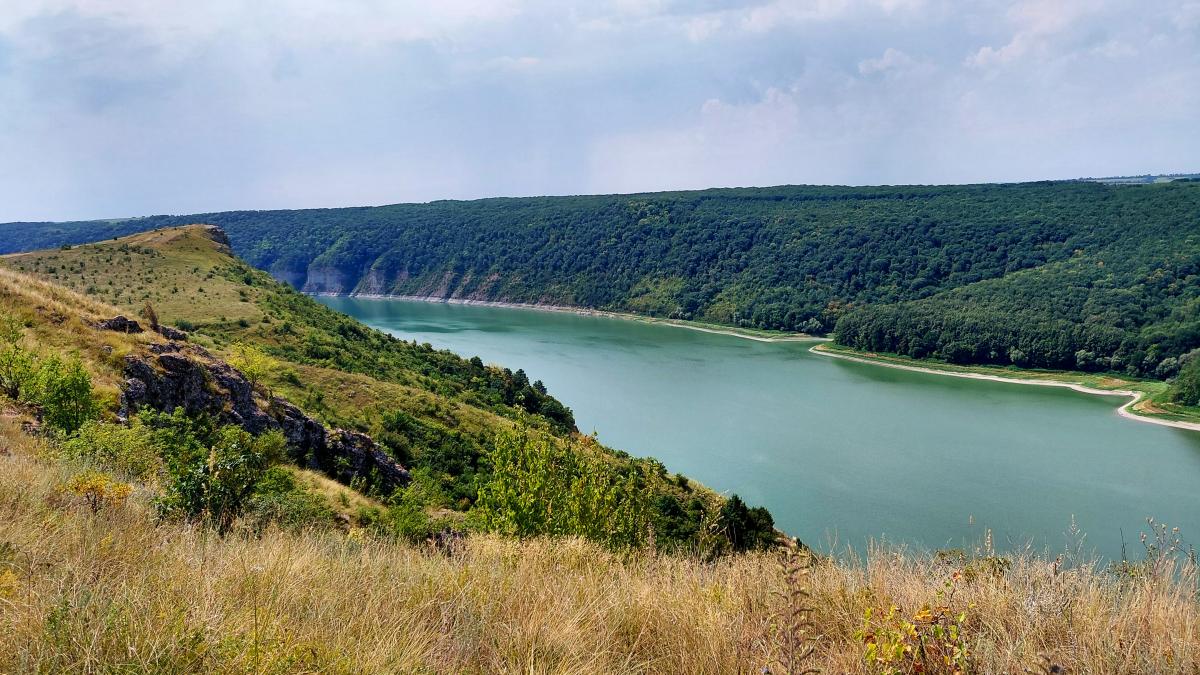
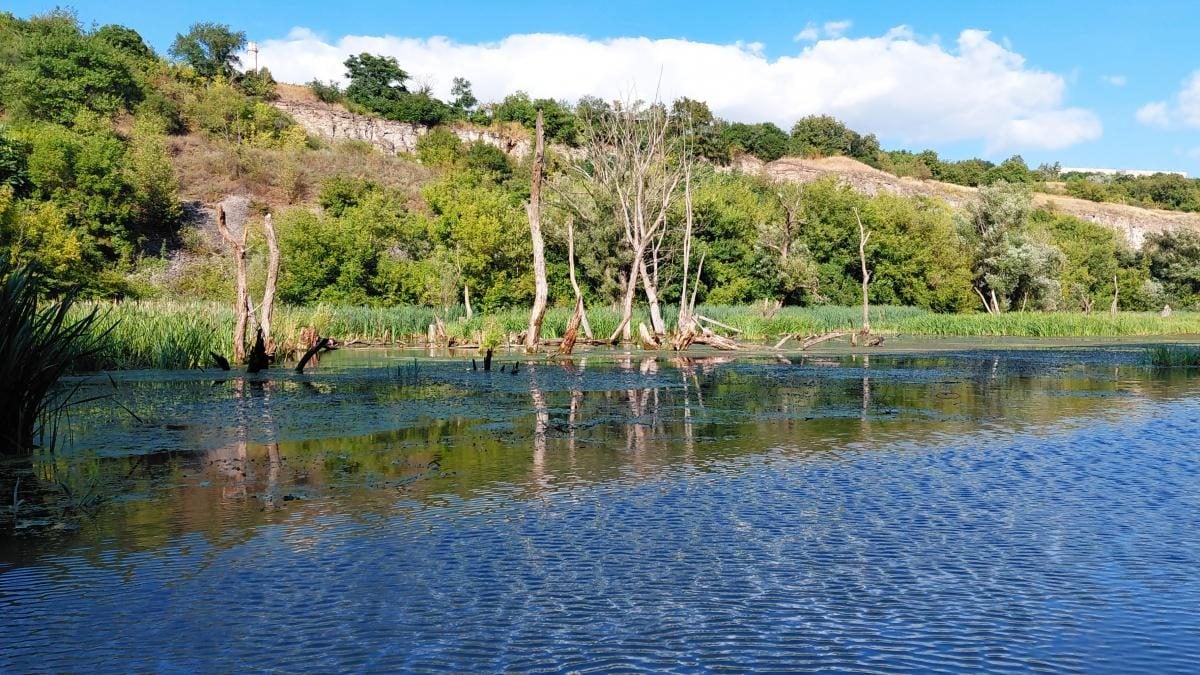
Travelers heading east from Kamianets-Podilskyi can visit Bakota, a village flooded during the late 1970s and early 1980s to create a reservoir for a hydroelectric power station. The site lies roughly 50 kilometers from the city along rural roads that require off-road vehicles, such as the Toyota SUVs provided for the testing expedition.
The primary viewpoint overlooking Bakota Bay is located within the Ancient Bakota recreational area near the village of Horaivka. Adult entry costs 100 hryvnias, and visitors must stay on raised wooden walkways to protect native wildlife and vegetation.
A converted bus stop near the viewpoint functions as the Ancient Bakota museum, displaying historical photographs and personal accounts from former residents who were forced by Soviet authorities to dismantle their homes and cut down orchards. Visitors can hike down from the ridge to visit a historic rock monastery and swim along the reservoir shore.
Local food producers at Medova Bakota offer regional honey, craft cheeses, salo, and fruit preserves, alongside a regional specialty of salted cucumbers served with honey.
Dniester Canyon boat tours and eco glamping
Excursions along the Dniester Canyon are available by boat, stand-up paddleboard, and kayak, with popular routes operating during sunrise and sunset. Further along the river, scenic cliffs line the water near the village of Subich.
Nearby settlements including Hrushka, Kytaihorod, and Stara Ushytsia highlight the regional identity of the area, which local residents refer to as Ponizziia rather than Podillia.
Much of the land surrounding Bakota forms part of Podilski Tovtry National Nature Park, where permanent capital construction is prohibited to prevent commercial overdevelopment. As a result, accommodation consists of temporary structures, including wooden glamping cabins and pallet-mounted tents at sites such as Prozori. Demand requires visitors to reserve spots in early spring, with bookings filled from summer through October.
Regional gastronomy and historic recipes
Khmelnytskyi Oblast has also expanded its culinary offerings through restaurants specializing in historical regional recipes. Restaurant Bona opened in Kamianets-Podilskyi in autumn 2025, serving Podillia cuisine with Italian influences named in honor of Queen Bona Sforza, the 16th century ruler from Bari, Italy, who married Polish King Sigismund I the Old.
Founder Vitalii Zavadskyi collected traditional rural recipes across Khmelnytskyi Oblast, which chef Nazar Chornyi reinterpreted for modern dining. Signature items include Podillia cold soup served with salmon and horseradish ice cream, varenyky filled with salted cheese and hemp zatyrka, cabbage rolls following a Horaivka village recipe, Furmanivka village lasagna, prunes with sour cream and walnuts, and house-made ice cream flavored with black bread, violet, or almond.
Other dining venues include Dynasty, which features an in-house brewery and serves regional dishes such as deruny, Podillia roast, kotsiurba, and beef cheeks with onion demi-glace. Restaurant Stara Fortetsia offers breakfasts overlooking the Smotrych River, while Loft 26 provides filter coffee and baked pastries.
Craft wineries of the Dniester valley
Winemaking in Khmelnytskyi Oblast includes several family-run vineyards. Zelenytsi Winery in Boryshkivtsi village, established in 2021, produces international award-winning wines such as Riesling, Tsytronny Magaracha, Johanniter, Jupiter, Odesa Black, Monarch, and Pet-Nat sparkling blends priced between 350 and 600 hryvnias per bottle. The winery hosts tastings paired with local cheeses, sausages, and estate-grown hazelnuts, alongside dinner options and lodging for up to nine guests.
In Horaivka, the Bakota Bay winery is operated by sommelier Hanna Kovalevska and winemaker Ruslan, who relocated from Kropyvnytskyi in 2022 to partner with local winemaker Aurel Roshka. Kovalevska said the mild microclimate near Bakota protects vines during winter, unlike conditions in the Kirovohrad region. Their bottles, including Korali, Mushlia, and Bila Hora, sell for 500 to 800 hryvnias. Additional winemakers in the area include Bohdan's Winery and the Onyshchuk Grape Estate.
Traditional art workshops
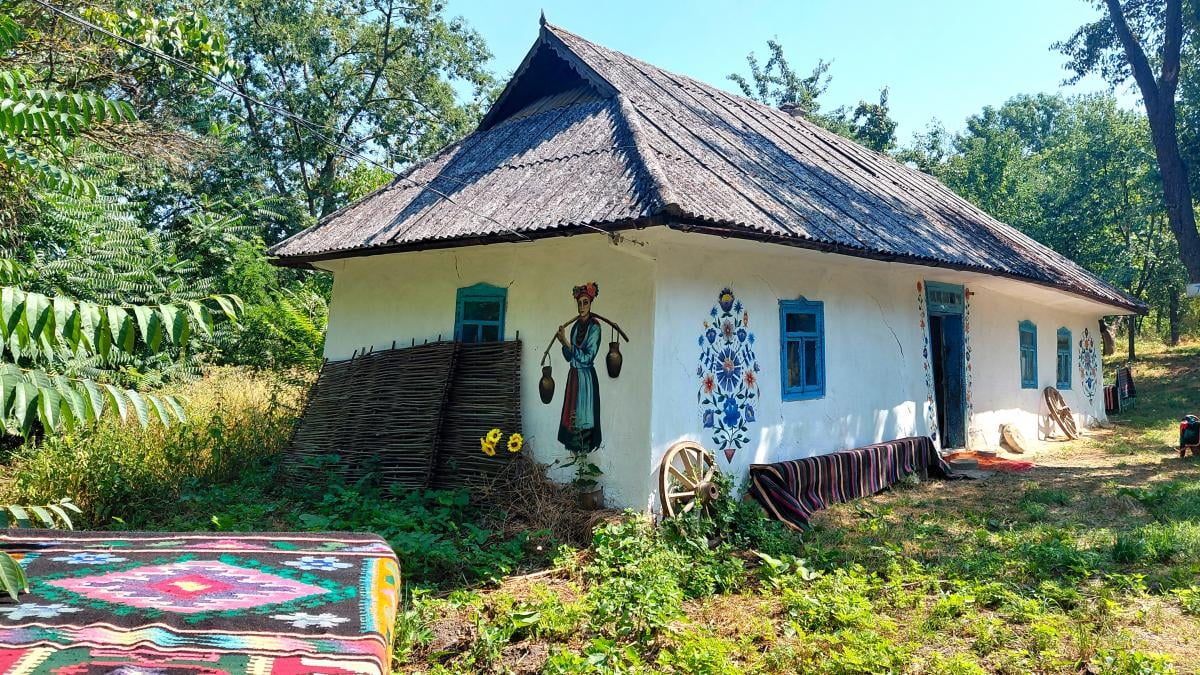
Travelers can also participate in craft workshops focused on Samchykivka decorative painting, a traditional art form from Podillia and Volyn characterized by floral designs and mythical bird motifs. Artist Ksenia Bedyk from Palitra Art Studio leads practical sessions in local venues, teaching history and technique to visitors.


