The British Parliament's Culture, Media and Sport Committee is opening an inquiry into how the BBC selects the United Kingdom's Eurovision Song Contest entries.
Lawmakers plan to summon BBC executives, music industry professionals, and expert analysts over the coming months to investigate whether internal selection decisions explain the nation's declining performance.
The inquiry will be conducted under the committee's State of Play initiative, a parliamentary framework that allows members of Parliament to launch analysis sessions on topics of public interest.
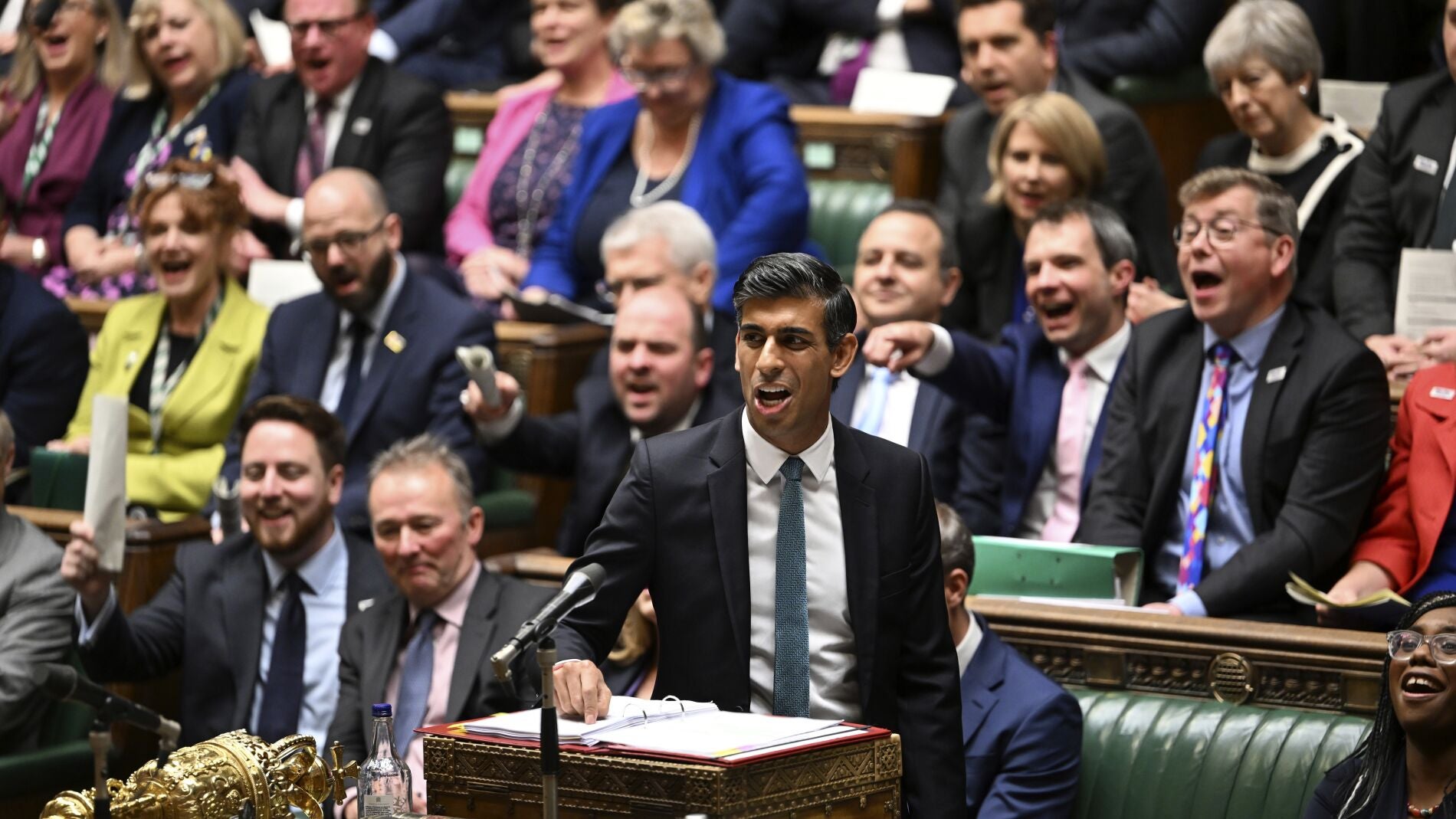
Members of Parliament will examine who selects candidate artists for the final shortlist, what criteria determine song choices, and whether recurring failures stem from musical selection, staging and performance, or broader UK strategy.
Dame Caroline Dinenage, the chair of the committee, highlighted the contradiction between the international commercial influence of British music and its disappointing results at the annual contest.
Decades of disappointing Eurovision results
The Eurovision Song Contest is an annual international competition organized by the European Broadcasting Union. As one of the Big Five major financial contributors alongside France, Germany, Italy, and Spain, the United Kingdom automatically qualifies for the grand final each year without competing in the semi-finals.
The British music industry is among the largest in the world, regularly producing global chart-topping artists and international record sales. However, that commercial success has rarely translated into success on the Eurovision leaderboard over the past two decades.
In the last 15 years, the UK has managed to reach the top ranks of the contest on only one occasion. Musician Sam Ryder placed second in 2022 with his song "Space Man", providing a rare highlight in an otherwise difficult stretch.
The 2026 contest further compounded the nation's struggles when Look Mum No Computer, the alter ego of musician Sam Battle, finished in last place with the song "Eins, Zwei, Drei". The entry received just one point from the Ukrainian jury and zero points from the international public televote.
That outcome extended a series of poor finishes for British entrants. Singer James Newman finished in last place in 2021 with zero points overall, while Mae Muller finished in 25th place in 2023. Entries from Olly Alexander and Remember Monday also failed to score a single point from the public televote.
Shifting internal selection methods at the BBC
The British Broadcasting Corporation is the UK's public service broadcaster, operating under a Royal Charter and funded by the television licence fee. The BBC holds full responsibility for selecting, producing, and broadcasting the nation's Eurovision entries.
Since 2019, the broadcaster has selected both the artist and the song internally, at times collaborating directly with record labels or talent management companies.
The BBC's last televised national selection tournament, titled Eurovision: You Decide, resulted in the choice of singer Michael Rice. Rice ultimately finished last at the contest held in Tel Aviv, Israel.
The shift to internal choices followed years of experimentation with public voting formats. Prior to 2019, televised selection shows allowed viewers to vote on candidate songs, but those entries also frequently finished near the bottom of the final scoreboard.
Parliamentary process and future contests
Select committees in the House of Commons scrutinise government departments and public institutions. While they do not pass laws directly, their hearings gather official evidence, examine public spending, and publish reports that influence national policy.
In addition to hearing oral testimony from broadcast executives and industry specialists, the committee plans to accept written submissions from members of the public and music professionals.
The committee has not yet set a date for the hearings or confirmed whether it will publish a final report. Following its review of the evidence, lawmakers could issue formal recommendations directed at the BBC.
The next edition of the contest will take place in Bulgaria, coinciding with the 30th anniversary of the UK's last Eurovision victory, achieved by Katrina and the Waves in 1997 with "Love Shine A Light".