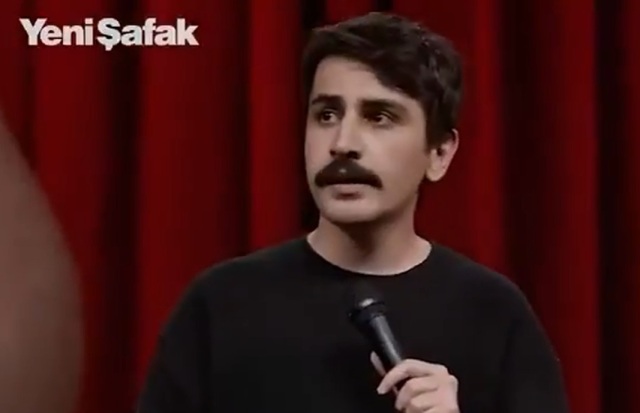
Turkish comedian Deniz Goktas has been released from prison after spending 88 days in custody following his conviction for insulting President Recep Tayyip Erdogan.
The performer was handed a sentence of one year and seven months in prison after being prosecuted over remarks made during a stand-up comedy show.
Goktas was held at the Karatepe high-security prison in the Tekirdag-Corlu region of northwestern Turkey before his release.
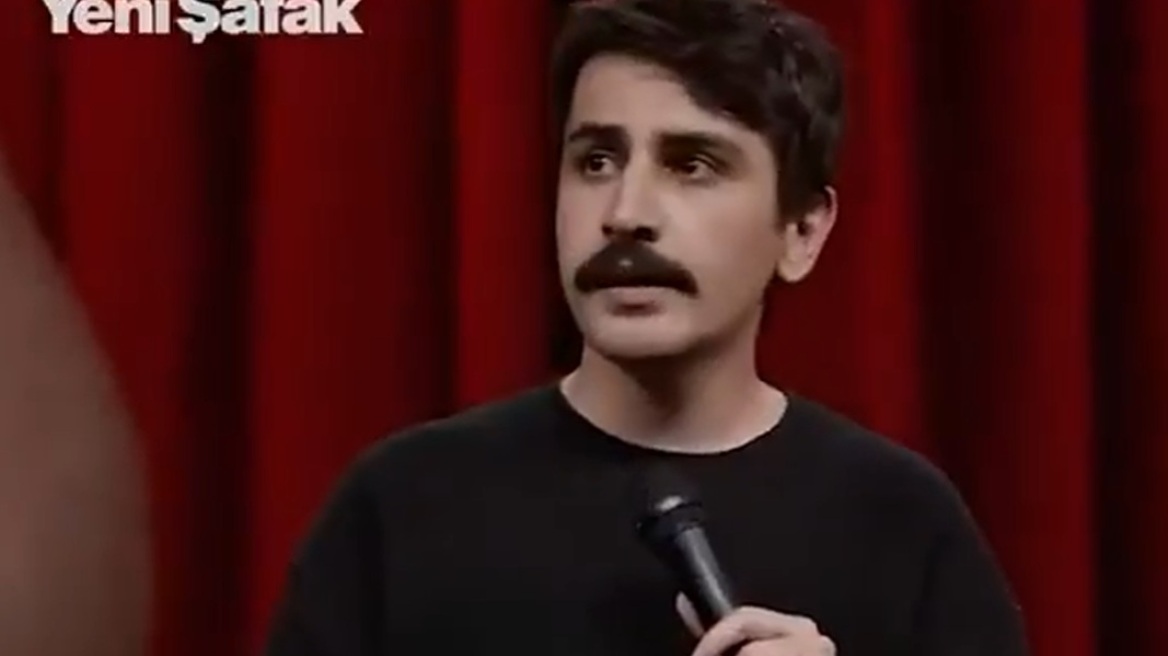
BBC News Türkçe reported his release on social media, noting that Goktas stated his dream had been to return to Istanbul alongside Sinem Dedetas and Mehmet Pehlivan.
Arrest and court charges
Turkish authorities arrested Goktas on July 3 as he was returning to the country from a vacation abroad.
The case against the comedian stemmed from jokes included in his stand-up performance titled Dead Sea.
Prosecutors charged Goktas with publicly insulting the president, publicly inciting the public to hatred and hostility through press and broadcasting, and praising crime and a criminal offender.
When Goktas made his initial appearance before a judge at the Istanbul Courthouse, authorities put heightened security measures in place around the building.
Courtroom defense and satire arguments
During his testimony, Goktas addressed the joke in which he referred to President Erdogan as a dictator, arguing that the comment belonged within the boundaries of artistic satire.
The comedian pointed out that Erdogan also serves as the chairman of the ruling Justice and Development Party, known as the AKP. He told the court that a political leader in that position ought to remain open to humorous critique.
Goktas maintained that using the term dictator represented a political characterisation rather than a personal insult. He suggested that another comedian might refer to a politician as a democrat, which could prove even funnier than his own line.
The performer argued that public officials are required to face such commentary from citizens and artists. He added that while laws governing freedom of expression and the limits of insult have remained unchanged, politicians themselves have grown increasingly vulnerable to criticism.