

Travel writer Vinicius Costa has named five medieval European towns that remain largely undiscovered by international tourists, according to a report by Travel Off Path. Costa, who has visited more than 200 cities across 40 European countries, reported that while travel influencers frequently recommend major destinations such as Prague and Budapest, these lesser known locations offer authentic historic charm.
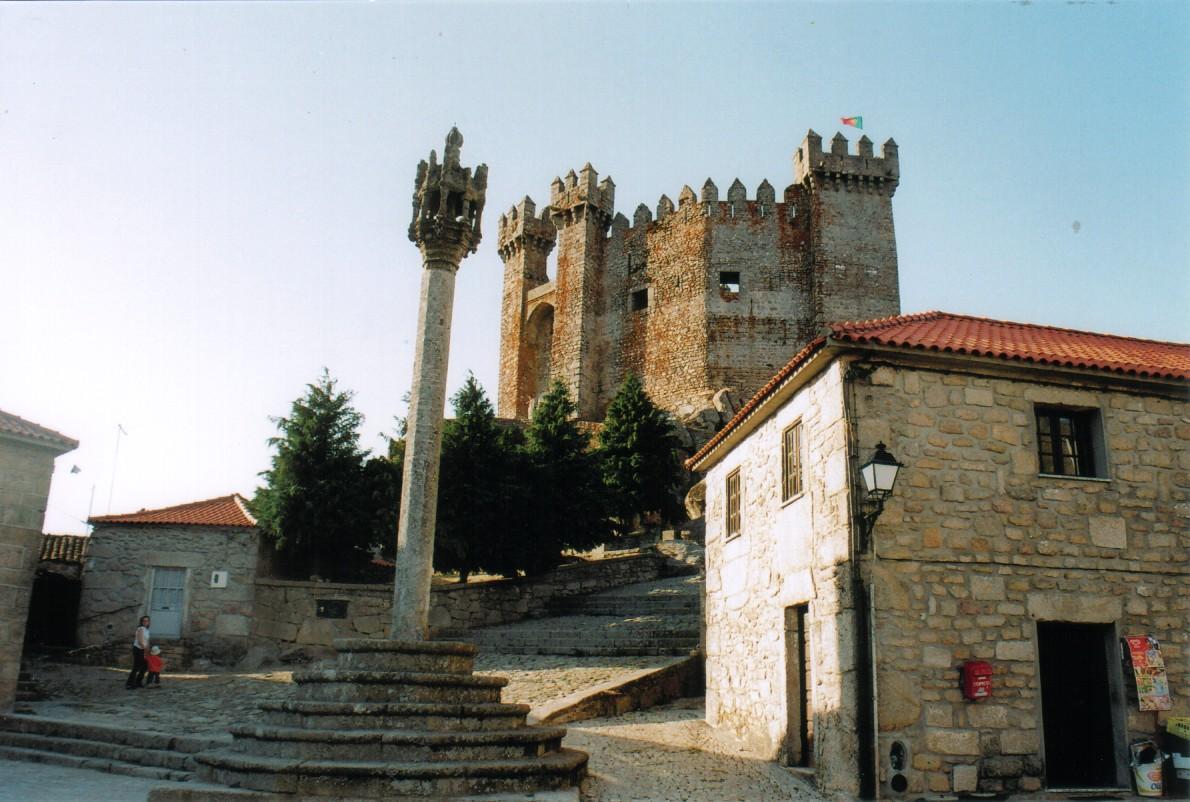
Among his top choices is Penedono, a small municipality located in northern Portugal. The settlement is centered around a medieval castle positioned atop a rocky outcrop, overlooking granite homes and a quiet central square. Despite its architectural heritage, the town remains largely unknown even to local Portuguese residents, who more frequently travel to nearby regional hubs such as Porto.
During a visit to Penedono, Costa recommended eating at the local establishment Taberna Fornos do Rei. He noted that the regional dishes served at the venue made it a destination worth a specific travel detour.
Historic Villages in Romania and Sweden
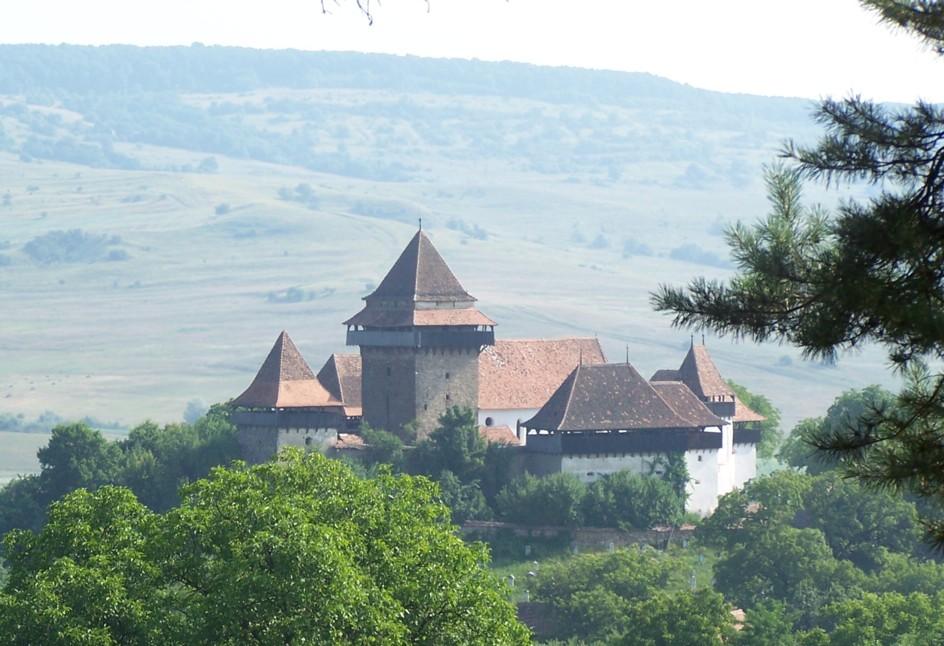
In Romania, Costa highlighted the village of Viscri, situated near the historic Rupea fortress. The settlement is defined by its fortified church, which holds UNESCO World Heritage status. UNESCO awards this designation to landmarks recognized worldwide for outstanding cultural or historical value. Viscri maintains much of its medieval layout, leading Costa to observe that the village appears untouched since the 12th century.
The Romanian village also gained international attention because King Charles III of Great Britain owns a property there. Costa remarked that if the quiet village satisfies the standards of a monarch, it provides an exceptional option for ordinary travelers seeking quiet destinations.
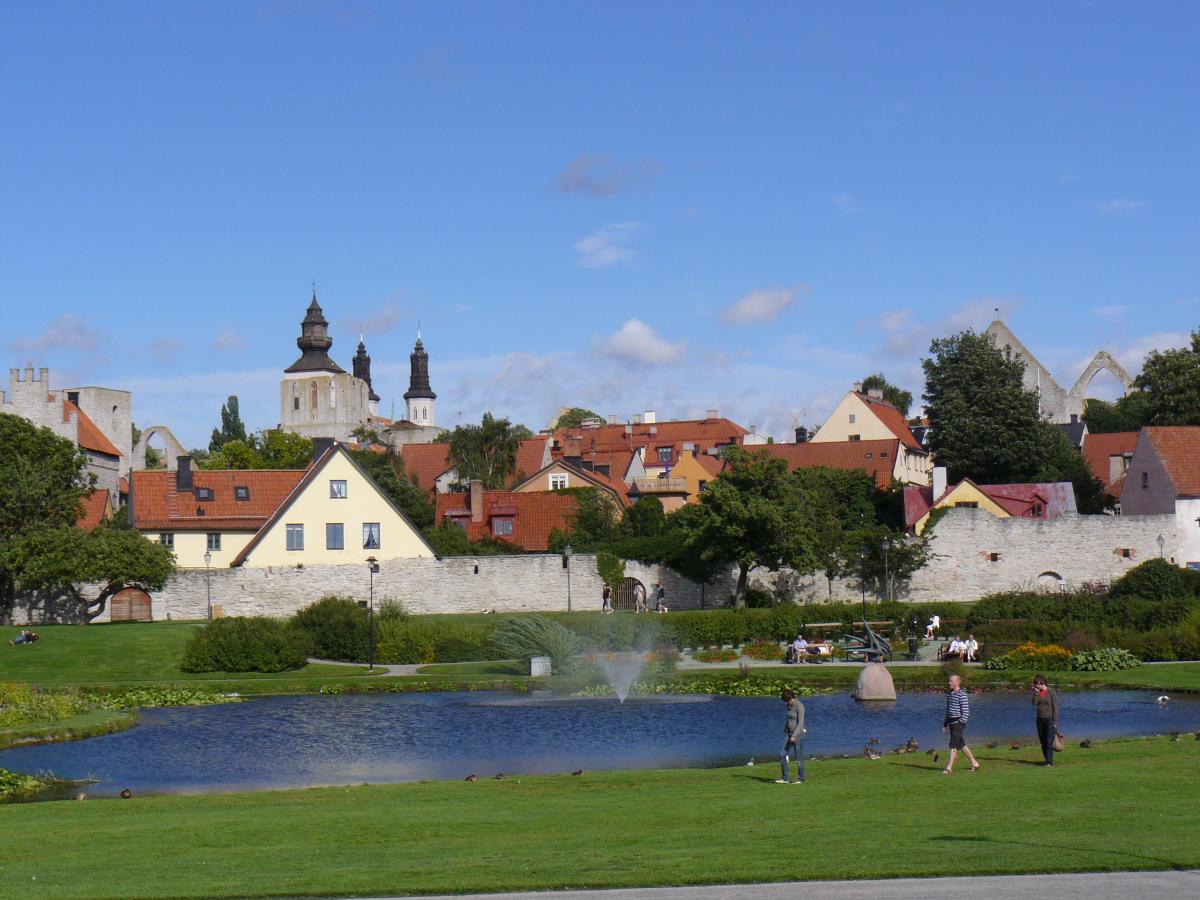
Further north, Costa selected Visby, located on the Swedish island of Gotland in the Baltic Sea. The entire town is preserved as a UNESCO World Heritage site, protected by medieval stone wall fortifications that remain sturdy enough for visitors to walk along. Inside the ramparts, the old town consists of a maze of cobblestone streets, ancient stone masonry, and houses decorated with climbing flowers.
Medieval Architecture in Greece and France
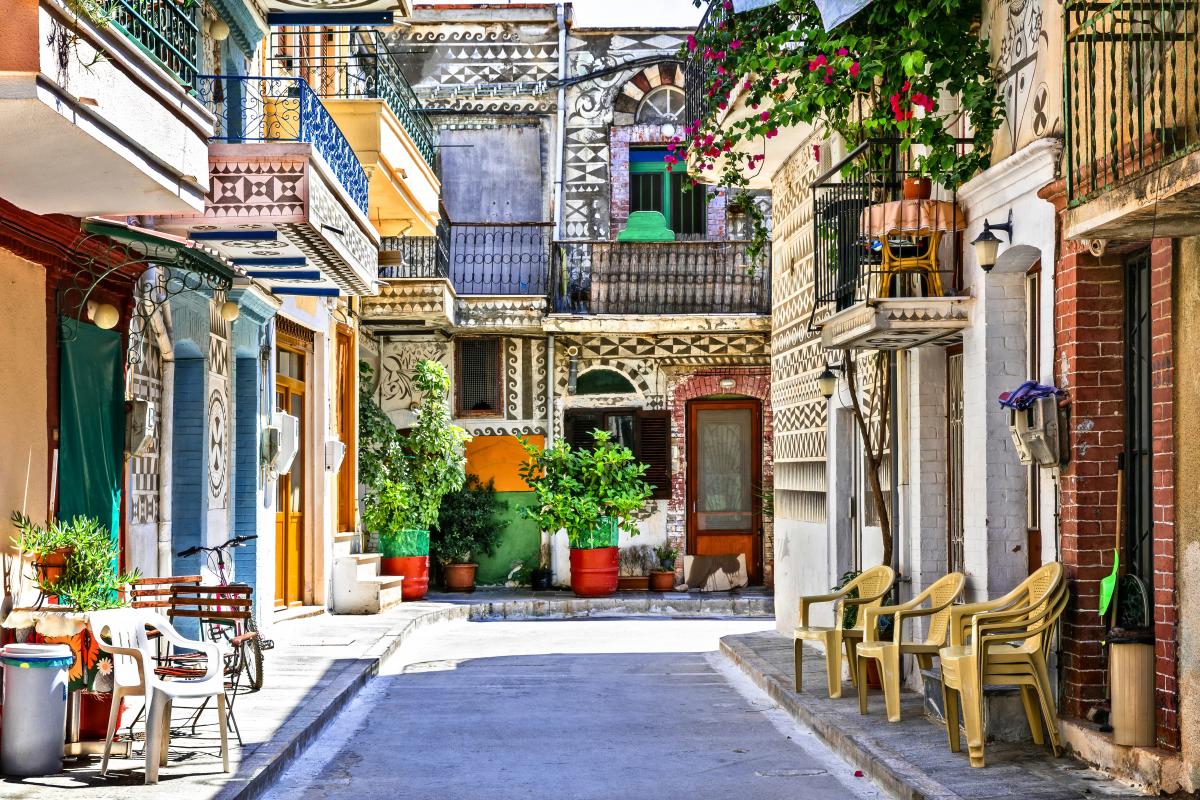
In the Mediterranean, the writer selected Pyrgi, a settlement located on the island of Chios in the North Aegean Sea. Pyrgi is recognized as one of the region's traditional mastic villages, where local architecture features elaborate geometric patterns etched onto building facades. Costa advised travelers visiting the island to explore the Byzantine Church of the Holy Apostles, a structure dating from the 13th and 14th centuries that contains historical interior frescoes.
The final destination on the list is Les Baux-de-Provence, a historic French village carved directly into a rocky ridge. The site is situated near Saint-Remy-de-Provence, a town in southern France where Dutch painter Vincent van Gogh received medical treatment during the late 19th century. Ruins of a medieval fortress stand above the village, while narrow lanes are lined with honey-colored stone buildings.
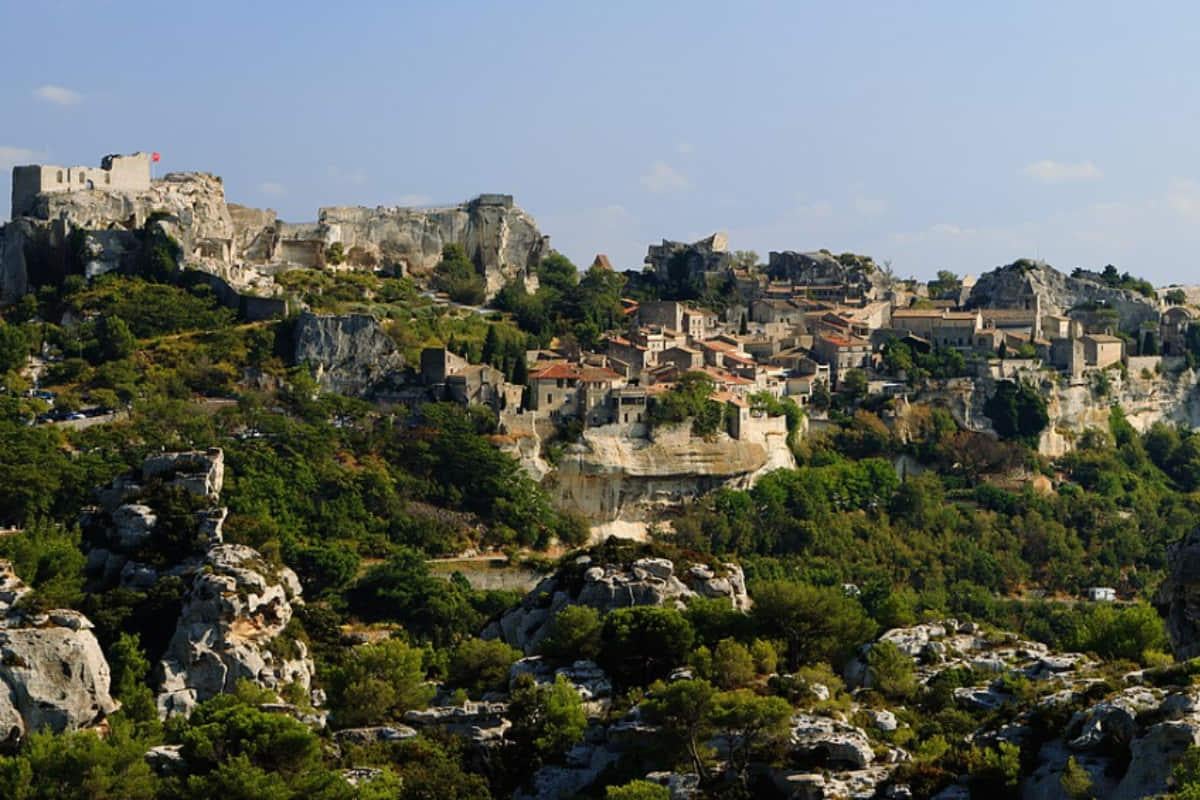
Costa, who resides in France, stated that Les Baux-de-Provence remains one of the few travel destinations that leaves him entirely awestruck. He emphasized that its dramatic cliffside setting and preserved medieval buildings distinguish it from conventional tourist stops across the country.
The search for peaceful European locations aligns with findings from the National Noise Absence Index, an analytical study evaluating quiet travel destinations worldwide. The report identified the Himalayan kingdom of Bhutan as the quietest nation globally, while Estonia ranked highest among European countries for offering serene environments.


