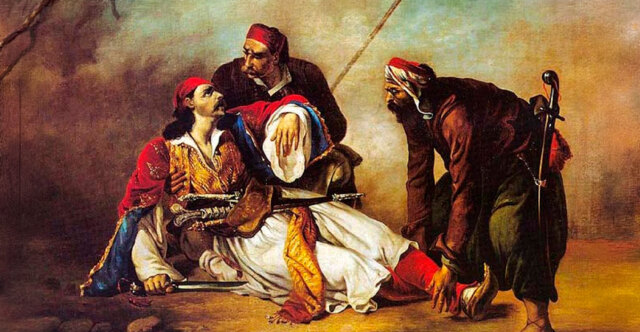
Two historical letters sent by Souliote chieftains to General Theodoros Kolokotronis during the Greek War of Independence have been made available online in a new digital archive.
The documents, dating from 1823 to 1826, offer primary historical evidence regarding military engagements in Western Central Greece, political maneuvering over the National Assembly, and the dire logistics preceding the fall of Missolonghi.
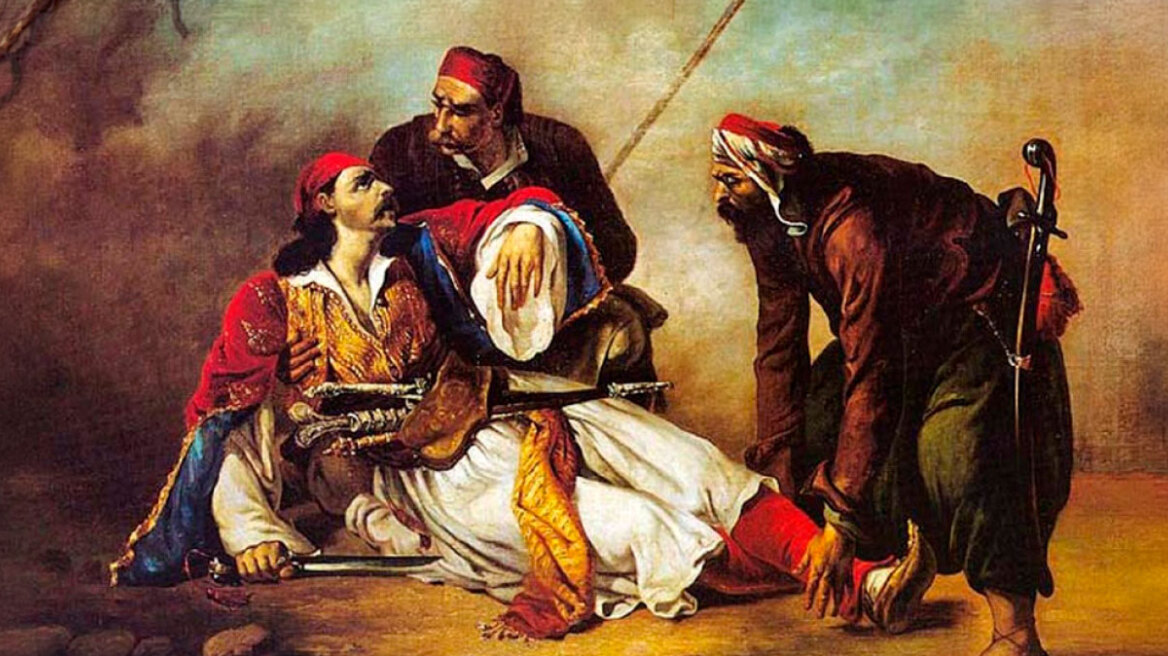
Both items were published on the online platform known as the Theodoros Kolokotronis Archive Place, accessible at Kolokotronis-archive.org.
The digital repository currently houses 1,230 historical items related to Kolokotronis and the Greek Revolution of 1821, each featuring detailed descriptions and scholarly commentary. The earliest document in the collection dates back to 1618 and consists of a copy of a letter sent by Mani notables to Charles, the Duke of Nevers, seeking support for an uprising against Ottoman rule. Historical records show that Greeks launched more than 100 revolutionary movements during the centuries of Ottoman governance.
Archival Discovery of Revolutionary Correspondence
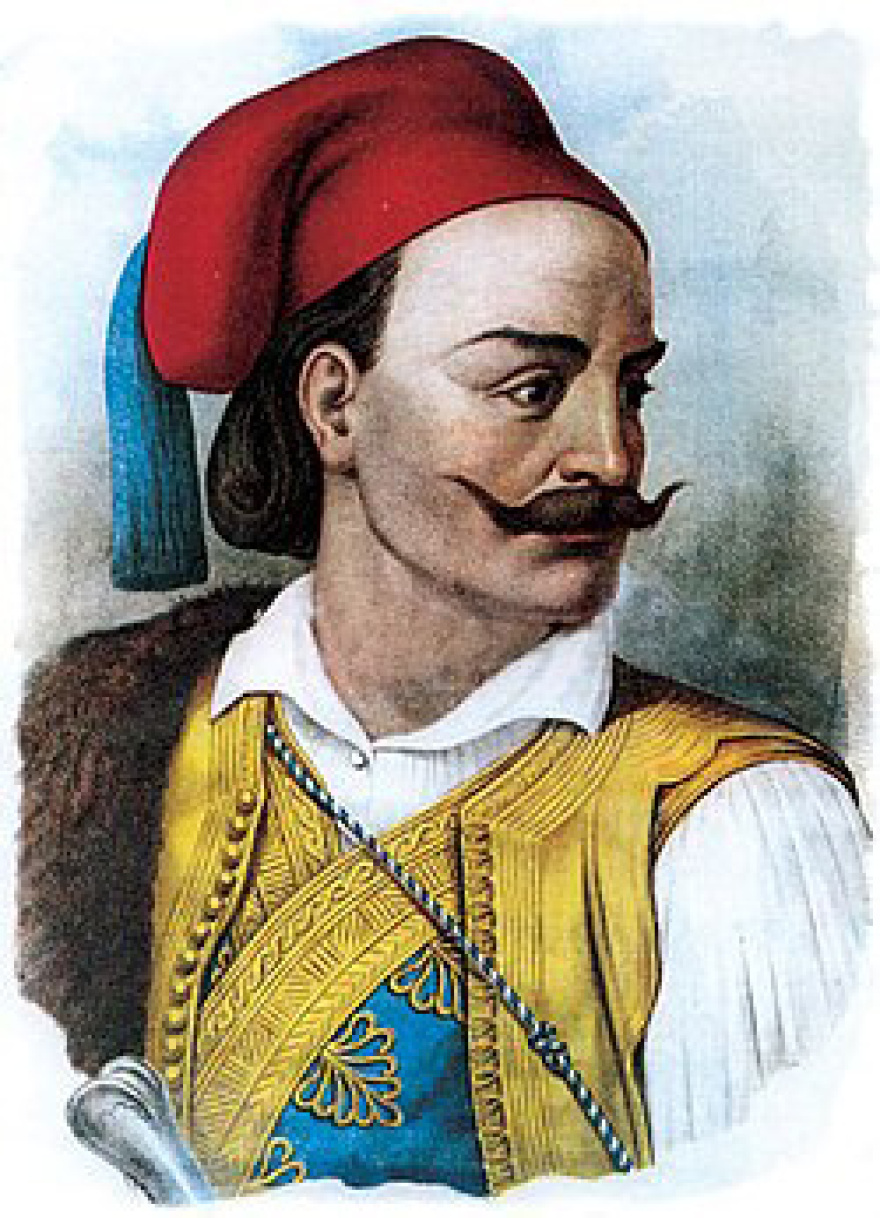
The first letter examined in the collection was written on January 3, 1823 (January 15 on the Gregorian calendar) in Missolonghi by the Souliote commander Markos Botsaris. Cataloged as Item 0157, the document was addressed to Theodoros Kolokotronis and written in clear Greek, featuring only a handful of loanwords such as the Ottoman term for ammunition.
In the letter, Botsaris expressed relief upon learning that Kolokotronis was in good health before providing a detailed report on recent fighting around Missolonghi. He stated that Ottoman forces launched a major assault against the defenders on December 25, 1822, but were repulsed with extremely heavy casualties.
Botsaris noted that three days later, on December 28, a group of Greek fighters ventured out to test the strength of the enemy positions. They advanced all the way to the Ottoman redoubts, but the opposing troops refused to emerge and engage them, having fallen into severe cowardice.
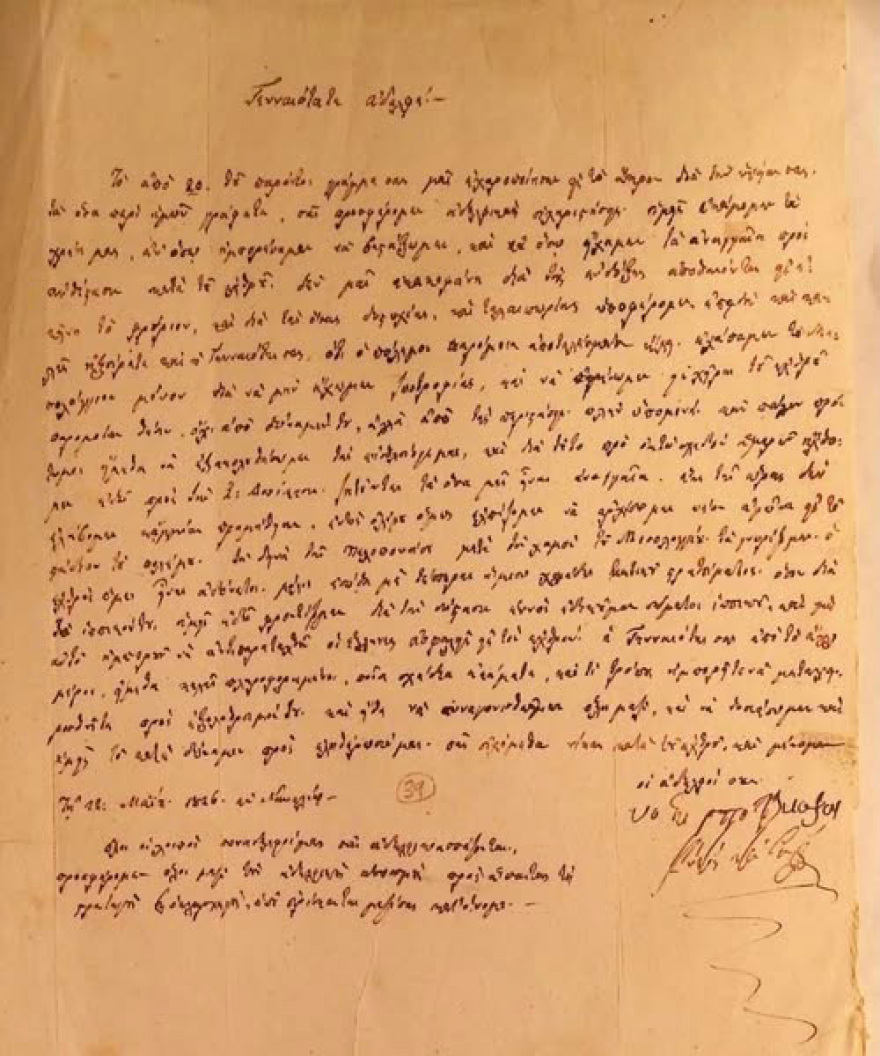
According to the letter, the entire Ottoman camp withdrew in absolute silence around midnight on December 31, 1822. Fearing that Greek forces would pursue them, the retreating army left behind all of their tents, cannons, ammunition stores, and baggage. Botsaris described the sudden abandonment of equipment as an unparalleled miracle and clear proof of divine assistance.
Addressing political matters, Botsaris advised Kolokotronis to oppose the immediate convening of a general National Assembly. He argued that holding the assembly at that moment was premature because Western Central Greece was unable to send delegates while Ottoman forces remained present in the region.
Botsaris explained that local captains and the President, Alexandros Mavrokordatos, were preparing an expedition to follow the retreating enemy forces as far as Vrachori, the modern town of Agrinio. He noted that Greek forces intended to lay siege to the enemy if they attempted to establish themselves in that town.
He urged Kolokotronis to use his influence to delay the national gathering until local leaders and captains could hold their own meeting in Western Greece, select honorable representatives, and establish a central government governed strictly by law. Botsaris added that he expected their fellow general, Odysseus Androutsos, to arrive soon for consultations to align their efforts.
Botsaris concluded his letter by praising Kolokotronis as a defender of the nation during its darkest moments, writing that the crown of immortality belonged to him alone.
The Battle of Karpenisi and Death of Markos Botsaris
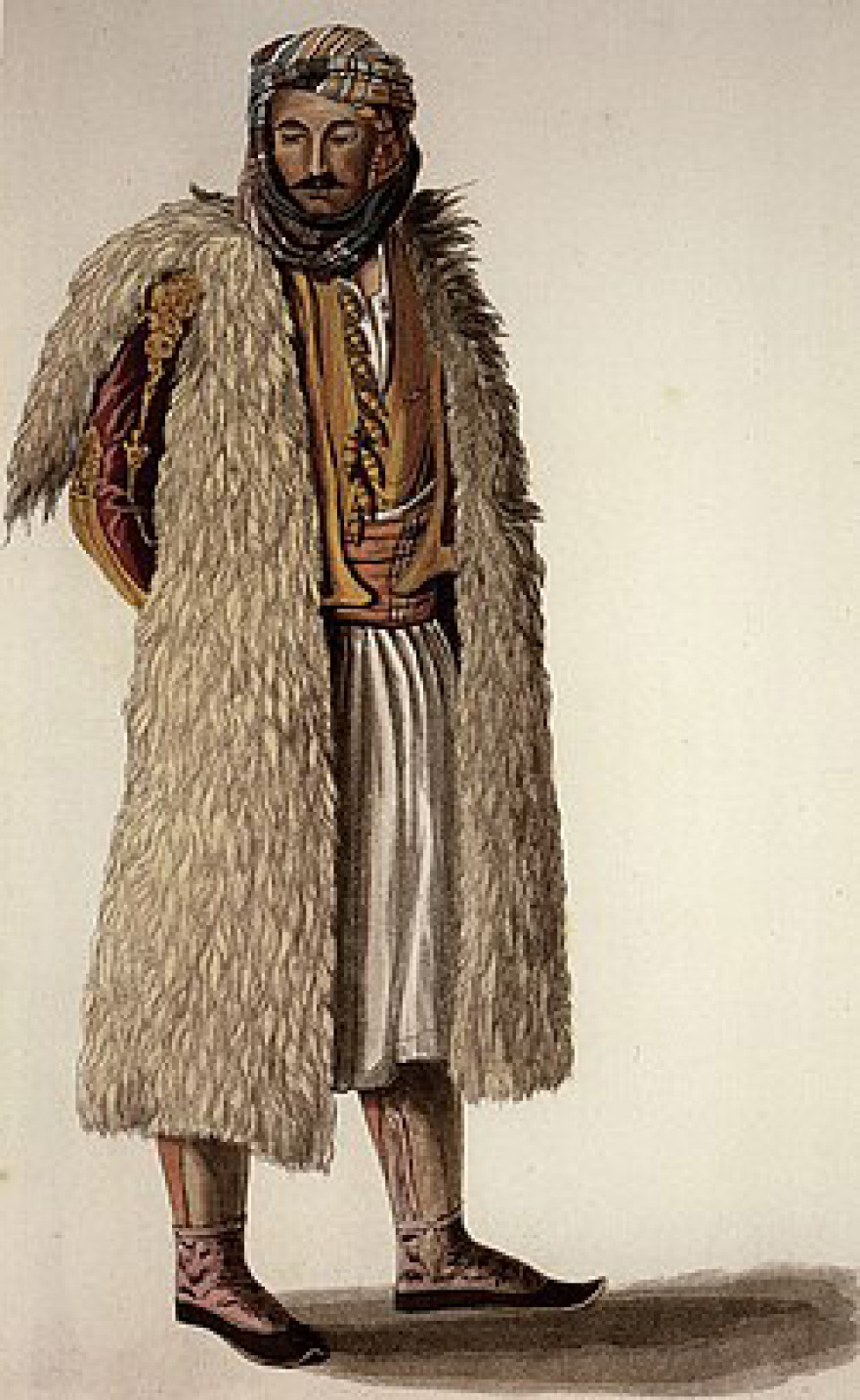
Markos Botsaris was killed in action several months later, on August 9, 1823, during the Battle of Karpenisi, also known as the Battle of Kefalovryso.
Leading a force of just 350 Souliotes, Botsaris launched a night attack against 5,000 Turco-Albanian troops under the command of Mustai Pasha of Scutari. Although the enemy panicked and retreated into their camp, none of the other Greek captains Botsaris had coordinated with came to his aid, with the exception of Kitsos Tzavellas.
Botsaris continued to fight despite receiving an initial wound, but he was fatally struck in the forehead by a bullet. His death near Karpenisi was mourned as a major national loss, and he was buried with full honors in Missolonghi.
Logistical Collapse and the Fall of Missolonghi
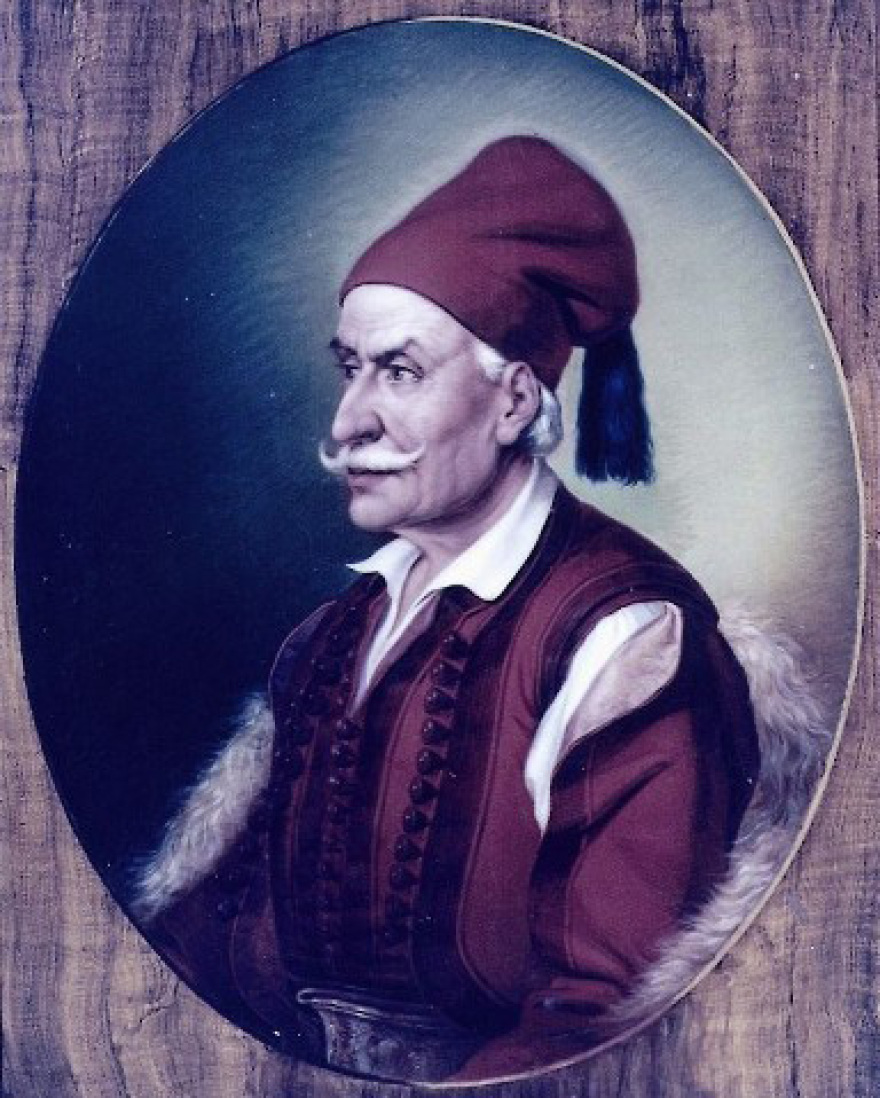
The second document, cataloged as Item 0713, is a joint letter written in Nafplio on May 22, 1826, by Souliote chieftains Notis Botsaris and Kitsos Tzavellas. The letter had remained unpublished until its recent inclusion in the Kolokotronis archive.
Written shortly after the famous Exodus and tragic fall of Missolonghi, the document responded to an earlier message sent by Kolokotronis on May 20, 1826. Tzavellas, who later served as Prime Minister of Greece from 1847 to 1849, joined Notis Botsaris in thanking Kolokotronis for his supportive words.
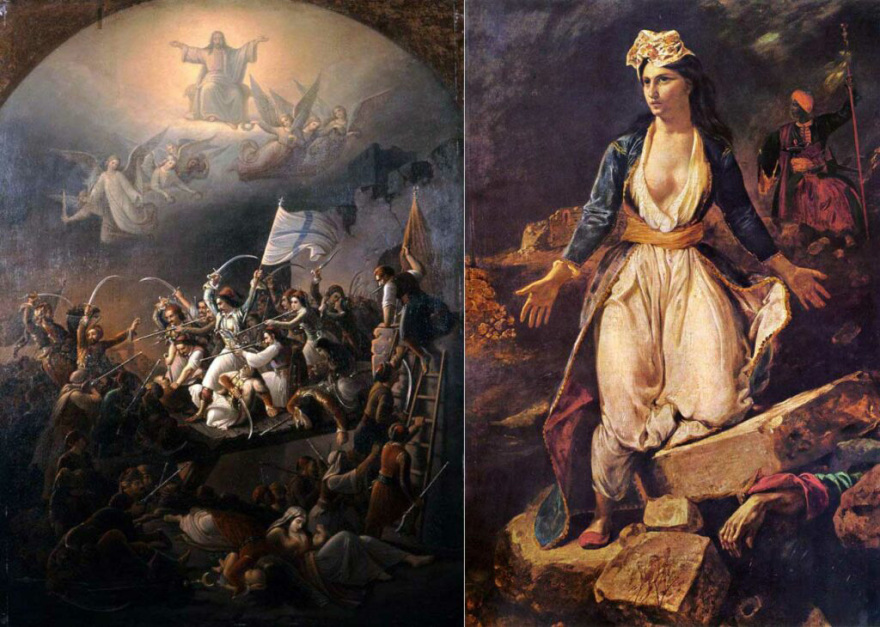
The two commanders reported that the garrison at Missolonghi had fulfilled its duty for as long as troops could hold out and as long as they possessed the necessary supplies to resist.
They stressed that they were not dismayed by the loss of their comrades who died gloriously at the fortress, nor by the severe hardships they endured, remarking that war inevitably brings such outcomes.
Tzavellas and Botsaris explicitly stated that Missolonghi was lost strictly because the garrison ran out of food and provisions, rather than from enemy military superiority. They maintained that circumstances forced them to abandon the strategic position to the enemy.
Plans for New Campaigns and Greek Cavalry
The chieftains informed Kolokotronis that they had traveled to Nafplio approximately eight days prior to request essential war supplies from the central government.
Although they had received no provisions from the authorities by the time of writing, both men expressed confidence that they would soon re-enter the field of battle.
Addressing the situation in the Peloponnese following the fall of Missolonghi, the writers noted that enemy forces were weakened, estimating that only 4,500 regular troops remained operational.
To counter the threat posed by Egyptian cavalry under Ibrahim Pasha, Tzavellas and Botsaris stated that they were organizing a dedicated Greek cavalry corps in Nafplio to allow Greek troops to engage the enemy safely.
The letter acknowledged Kolokotronis's strategic plans and methods for defeating the enemy forces, expressing a desire for all Greek leaders to unite and sacrifice for total liberation.
The document concluded with fraternal greetings to all generals and chieftains serving alongside Kolokotronis, bearing the signatures of Notis Botsaris and Kitsos Tzavellas alongside a receipt notation dated May 22, 1826.