Spanish nursing assistant Teresa Romero has spoken out about her battle with Ebola twelve years after becoming the first person infected outside Africa in October 2014 at Hospital Carlos III in Madrid.
Romero, a vocational healthcare technician who was married without children at the time of her diagnosis, survived 30 days of hospitalization and intense treatment, but she faced years of social stigma and legal disputes over the sacrifice of her dog, Excalibur.
Her story resurfaced after World Health Organization director general Tedros Adhanom Ghebreyesus admitted that the latest global Ebola outbreak remains far from under control and acknowledged that no vaccine will be available for nearly a year.
Ebola is a severe viral illness in humans caused by the Ebola virus. The World Health Organization is the specialized health agency of the United Nations responsible for international public health guidance and crisis management.
Voluntary care for infected missionaries
Romero volunteered in 2014 to care for two Spanish missionaries repatriated from West Africa after contracting the virus. The first patient, priest Miguel Pajares, died despite receiving care at Hospital Carlos III, becoming the first Ebola victim recorded in Europe.
The second missionary, Manuel García Viejo, was repatriated from Sierra Leone on September 22, 2014. Romero entered his room once during initial care and handled hazardous biological material on September 27. She later acknowledged accidentally touching her face with a glove while removing her biological safety suit.
García Viejo died three days after admission. Romero showed no initial symptoms, took scheduled vacation leave, and attended nursing assistant civil service examinations at Complutense University of Madrid.
Onset of symptoms and quarantine
Romero began experiencing symptoms on September 29, 2014, and maintained telephone contact with professionals at Hospital Carlos III. On October 3, she initially denied any protection breaches or direct contact with patient body fluids.
By October 6, 2014, Romero developed a fever of nearly 38 degrees Celsius. Public health officials arranged her transfer from home to Hospital Fundación de Alcorcón, where two separate medical tests confirmed positive results for Ebola virus infection.
Health authorities transferred Romero to the isolated sixth floor of Hospital Carlos III. Authorities placed her husband Javier Limón, three healthcare professionals, three staff members from an aesthetics salon she had visited, and eventually nearly 100 people under preventive isolation.
On October 7, 2014, doctors administered blood plasma from Paciencia Melgar, a religious sister and Ebola survivor who had contracted the virus in Liberia alongside Miguel Pajares and missionary Juliana Bonoha.
Experimental drugs and hospital discharge
As Romero's condition deteriorated in early October, a team of 14 attending doctors urgently initiated experimental treatment using the antiviral drug ZMAb. Romero remained conscious throughout the treatment, and by October 14 she showed preliminary signs of improvement.
Diagnostic tests returned negative for Ebola on October 19, 2014, which a secondary test confirmed on October 21. Medical aid organization Doctors Without Borders criticized her continued mandatory isolation, describing the extended confinement as an extreme measure. Her husband Javier Limón also strongly criticized Spanish public management of the outbreak.
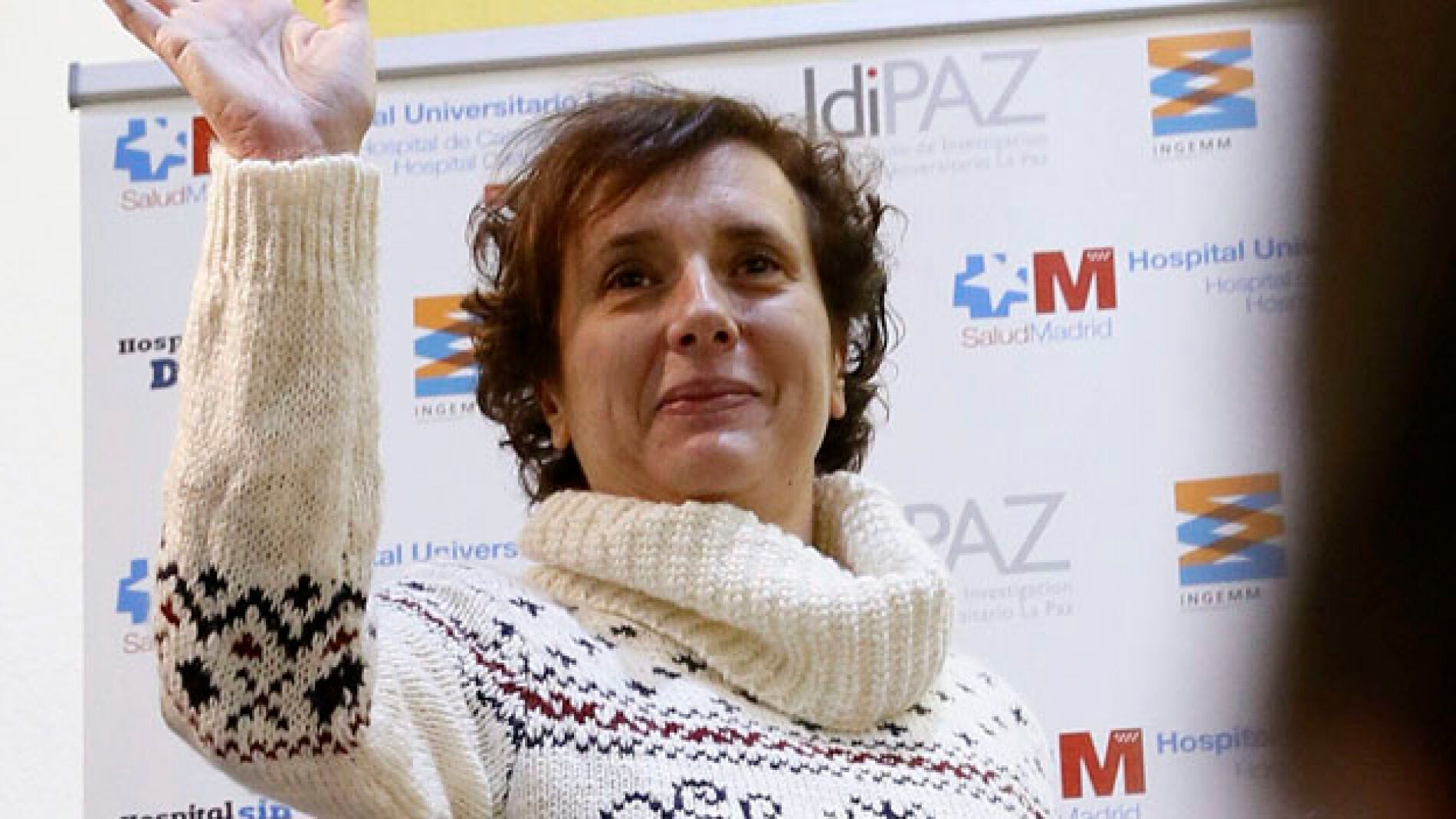
Romero spent 30 total days in hospital, including 25 days in quarantine, before leaving the quarantine area on November 1. Doctors formally discharged her on November 5, 2014, when she held a press conference offering to collaborate with other patients.
Legal battles over destroyed property and pet
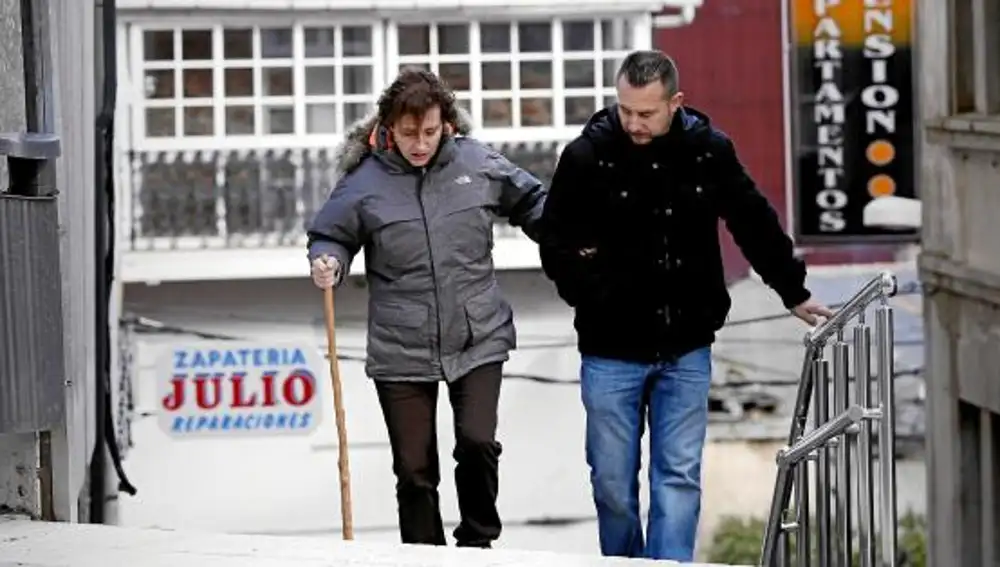
Following her recovery, Romero returned to an empty home that health authorities had completely dismantled during decontamination procedures. At the end of 2014, she agreed with the Madrid Regional Health Department on a compensation payment of 14,990 euros for destroyed personal belongings.
The sacrifice of her pet dog Excalibur on October 8, 2014, executed without prior diagnostic testing for infection, sparked an extended legal battle. The High Court of Justice of Madrid dismissed an initial legal complaint filed by animal rights party PACMA under regional domestic animal protection laws.
In December 2014, judicial authorities rejected a second lawsuit filed by the Association Against Animal Abuse against former Madrid regional health councillor Javier Rodríguez. The High Court of Justice of Madrid closed the matter in April 2022 by denying Romero's final appeal against the Madrid Regional Health Department, ruling that the pet's sacrifice was an inevitable measure.
Social stigma and media appearance
In May 2026, Romero appeared on the Cuatro television program Código 10 to discuss the lingering public scrutiny she faced compared to other recent health cases, such as a doctor infected with hantavirus aboard the cruise ship MV Hondius.
Romero said the cruise ship doctor became infected while doing his job but was not questioned, judged, coerced, or asked whether he touched himself or not. She said intense public pressure and a lack of prior specific training on Ebola deeply affected her mood, recalling how public accusations caused her severe pain while she was fulfilling her duty.
Ebola causes rapid high fever, severe headache, sore throat, extreme tiredness and weakness, muscle and joint pain, vomiting, diarrhea, stomach pain, and fatal internal bleeding in severe cases. Romero revealed that during the hardest stages of her illness, she begged two medical colleagues to help her die.