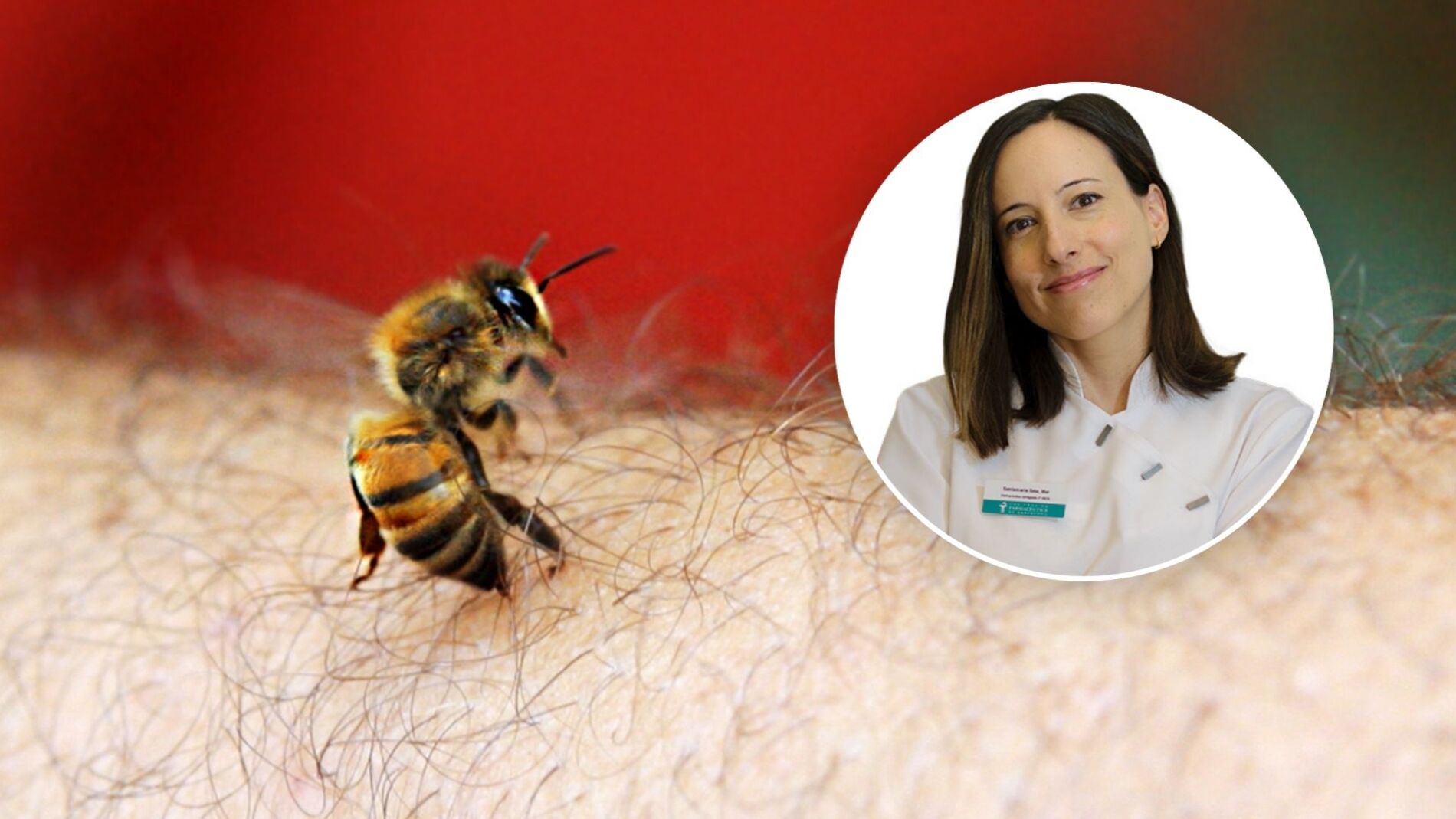
Pharmacist Mar Santamaria warned that improper first aid in the first few minutes following a summer insect or jellyfish sting can turn minor reactions into serious complications. Exposure to stings increases significantly during the summer months due to frequent outdoor activities, including swimming in the sea, hiking through the countryside, and relaxing on outdoor terraces.
Santamaria, who serves as the head of pharmaceutical care at PromoFarma by DocMorris, explained that most pharmacy consultations regarding stings involve preventable cases or situations worsened by incorrect initial care. She emphasized that different creatures require distinct treatment protocols and urged people to identify the cause of the sting before acting.
PromoFarma by DocMorris operates as a major European health and pharmacy marketplace, connecting consumers with licensed pharmaceutical products and advice. According to Santamaria, knowing both what to do and what to avoid is essential for preventing long-term skin damage or systemic health risks.
Preventing Mosquito Bites and Calming Irritation
Mosquitoes locate their human targets by detecting exhaled carbon dioxide, body heat, and lactic acid released in sweat. Santamaria noted that individual skin microbiota shapes each person's unique odor profile, meaning there is no way to eliminate attraction entirely.
To minimize bite risks, Santamaria recommended applying effective repellents, wearing cotton clothing in muted colors, and avoiding cyan, red, orange, or black garments. She also advised against using heavily fragranced cosmetics or perfumes before going outdoors.
Addressing common misconceptions, Santamaria pointed out that citronella lacks biocide registration and does not provide adequate standalone protection. In contrast, synthetic active ingredients such as DEET, icaridin, and IR3535 are registered biocides with proven efficacy. DEET and icaridin are widely recognized chemical compounds recommended by health authorities for repelling biting insects.
When selecting a repellent, consumers should evaluate their environment and personal skin sensitivity. Santamaria noted that anyone applying both sunscreen and insect repellent should always apply the sunscreen first, allowing it to absorb before putting on repellent.
If a mosquito bite occurs, Santamaria advised washing the area immediately with soap and water and resisting the urge to scratch. Scratching prolongs skin irritation and creates open wounds that can introduce bacterial infections. To soothe itching, she suggested applying cold compresses, topical antihistamine creams, or calamine lotion, a traditional zinc-based topical remedy used to relieve mild skin irritation.
Handling Bee and Wasp Stings Safely
Unlike mosquitoes, bees and wasps are not deterred by specific chemical repellents. Santamaria explained that preventing stings relies on avoiding bright clothing and strong perfumes near flowers, as well as remaining calm and avoiding sudden movements when insects approach.
Bees are generally peaceful creatures that sting only when threatened, losing their stinger and dying shortly afterward. Santamaria instructed that embedded bee stingers should be removed immediately by scraping across the skin with a fingernail or the edge of a plastic card. She explicitly warned against squeezing the stinger with tweezers, which can force remaining venom into the tissue, and recommended seeking professional assistance if necessary.
Wasps are more aggressive than bees and retain their stingers, allowing them to sting a person multiple times. Santamaria noted that both bee and wasp stings trigger immediate, intense pain along with localized redness and swelling.
Santamaria stressed the importance of distinguishing normal localized swelling from a severe allergic reaction. She highlighted generalized body swelling, breathing difficulties, and dizziness as urgent warning signs that require immediate emergency medical care.
Correct Removal Procedures for Attached Ticks
Tick bites can be reduced by wearing protective long clothing when walking through tall vegetation and thoroughly checking the skin afterward. Santamaria identified the armpits, groin, and scalp as hidden areas that require careful inspection, adding that repellents containing DEET or IR3535 help deter ticks.
Santamaria identified improper tick removal as one of the most widespread medical mistakes. She warned against burning attached ticks or smothering them with vaseline, rubbing alcohol, or other household products prior to extraction.
The correct procedure involves using fine-tipped tweezers to grasp the tick as close to the skin surface as possible, pulling straight upward with a firm, steady motion without twisting or crushing the tick's body. After removal, the wound should be washed with soap and water and disinfected with a topical antiseptic such as chlorhexidine.
Santamaria recommended taking a photograph of the tick after extraction, as the image can assist healthcare professionals in identifying the species and guiding subsequent medical diagnosis. Patients should monitor the bite site for 30 days for fever, general malaise, or an expanding red rash, which can indicate Lyme disease, a bacterial infection transmitted by ticks that requires medical evaluation.
Managing Painful Horsefly Bites
Horseflies are most active at dusk, and Santamaria advised avoiding areas near stagnant water during peak hours while applying appropriate insect repellent. Unlike mosquitoes, horseflies feed by tearing the skin, causing immediate sharp pain, severe swelling, and occasional bruising or hematoma formation.
Because horsefly bites involve torn skin tissue, Santamaria emphasized that they carry a significantly higher risk of bacterial infection than typical insect bites. She advised washing and thoroughly disinfecting the wound immediately, noting that sufferers should consult a medical specialist if infection signs emerge or if bruising fails to improve.
First Aid Protocols for Jellyfish Contact
Before entering the ocean, swimmers should check beach flags and local advisory notices, avoiding waters where jellyfish sightings have been reported. Contact with jellyfish tentacles causes intense burning pain and red skin welts, while certain species can trigger widespread swelling, muscle cramps, or eye irritation.
Santamaria warned never to touch attached jellyfish tentacles with bare hands, recommending tweezers or a heavy towel to protect against active stinging cells. The affected skin must be rinsed exclusively with seawater or physiological saline solution.
Using fresh tap water or rubbing the skin with sand must be strictly avoided, as both actions cause remaining stinging cells to discharge additional venom and spread the reaction. Santamaria advised visiting beach first-aid stations for professional care and consulting healthcare providers regarding appropriate pain relievers or oral antihistamines.
Santamaria concluded that adopting specific, creature-appropriate protocols rather than generic remedies allows individuals to enjoy outdoor summer activities safely and prevents minor stings from escalating into serious health problems.