

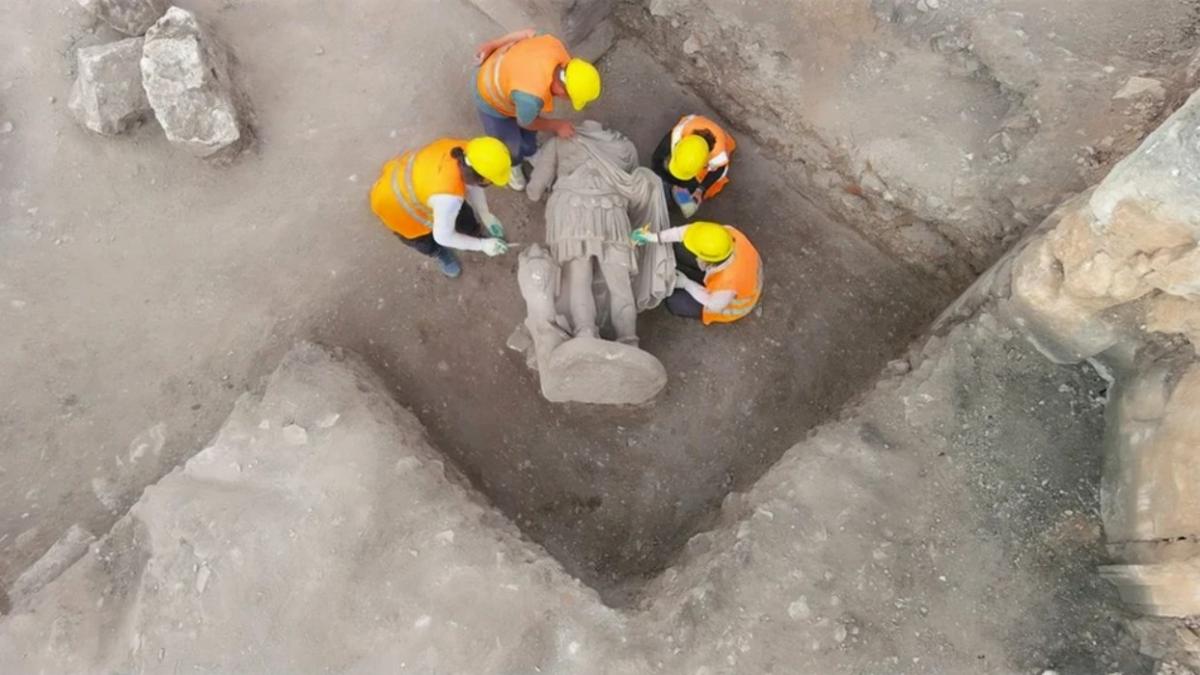
Archaeologists working at the ancient city of Kibyra in southwestern Turkey have reassembled a nearly complete 2.14-meter marble statue of the Roman Emperor Hadrian that was shattered in an earthquake 1,600 years ago.
The research team discovered fragments from four Roman-era marble sculptures during excavations at the city's Monumental Gate, as reported by La Brujula Verde.
According to excavation leader Şükrü Özudoğru, recent research focused on the gate, which was one of the city's signature architectural structures. The four sculptures originally stood on the upper level of the gate before being destroyed, most likely during a major earthquake in 417 AD.
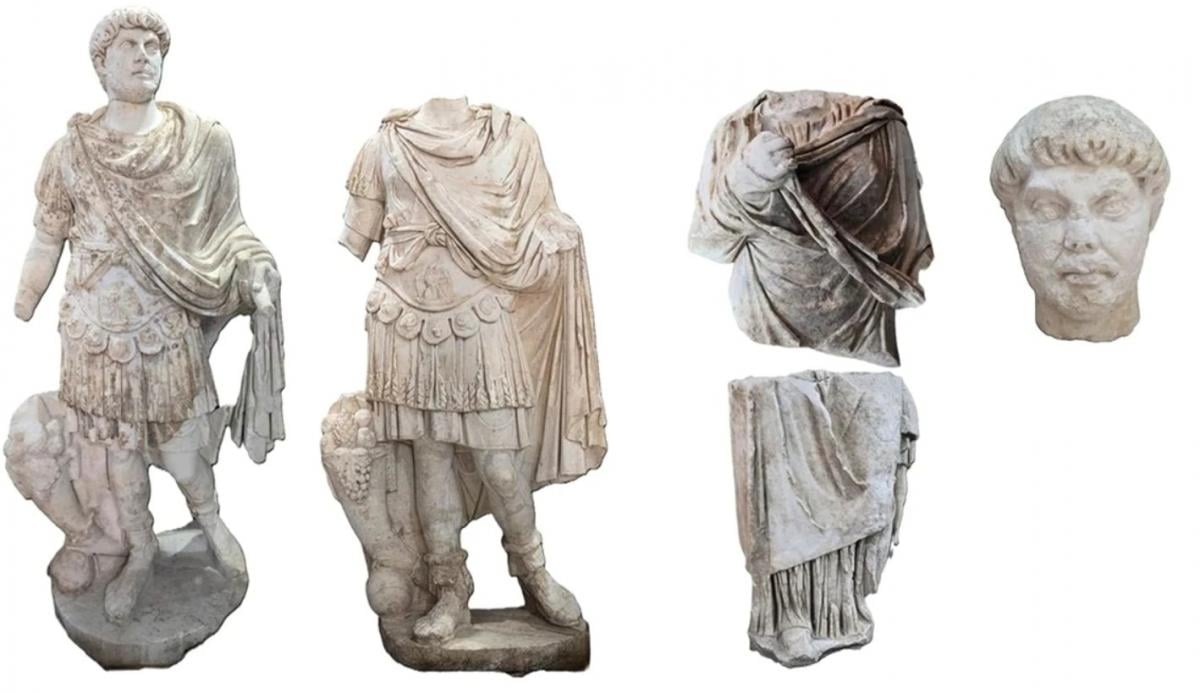
Archaeologists have recovered roughly twenty fragments, including limbs, torsos, and heads, across several field expeditions that began in 2006. The head of the Hadrian statue was found separately from the rest of the artwork, but researchers later matched it with a previously discovered armored torso to restore the piece almost completely.
Imperial marble and iconography
The statue was carved from high-grade marble extracted from the Afyon-Döğer and İşehisar quarries. It depicts Hadrian standing in a military pose while wearing a decorated cuirass adorned with relief carvings of a lion and an eagle, symbols associated with imperial power.
The Afyon-Döğer and İşehisar quarrying regions in western Anatolia were famous throughout classical antiquity for supplying premium white and fine-grained marble used in prominent Roman public works.
The sculptures date to approximately 130 AD, during Hadrian's reign from 117 to 138 AD. In the Roman period, cities across Anatolia frequently erected statues of emperors to mark official visits, suggesting the sculptured ensemble at Kibyra was commissioned in honor of the ruler.
Hadrian was renowned for traveling extensively throughout the Roman provinces to inspect frontier defenses and patronize urban construction projects, particularly in Greek-speaking cities.
Empress Sabina and future excavations
In addition to the Hadrian statue, researchers uncovered fragments belonging to a sculpture of his wife, Empress Sabina, and a second male figure in armor standing 1.86 meters tall. Two other fragmentary artwork depictions were also found among the debris.
Empress Sabina held the title of Augusta and frequently accompanied Hadrian on his official tours across the empire, where cities often honored the imperial couple together.
Located in modern Burdur province, Kibyra was an influential ancient city with Greek and Roman heritage, renowned for its formidable military tradition and grand monumental architecture.
Archaeologists said they hope future excavation seasons will reveal the missing fragments needed to fully reconstruct the remaining statues from the gate complex.


