Standing up from a chair without using hands strengthens essential leg muscles, helps prevent falls, and is associated with longer life, health experts say.
The simple daily movement targets the quadriceps, glutes, and core muscles, which are critical for walking safely, climbing stairs, and regaining balance after a stumble.
Healthcare professionals across the world frequently use variations of the sit-to-stand test to evaluate lower body strength and endurance in older adults.
The STEADI program at the Centers for Disease Control and Prevention features one such assessment, which measures how many times an individual can stand up and sit down in 30 seconds.
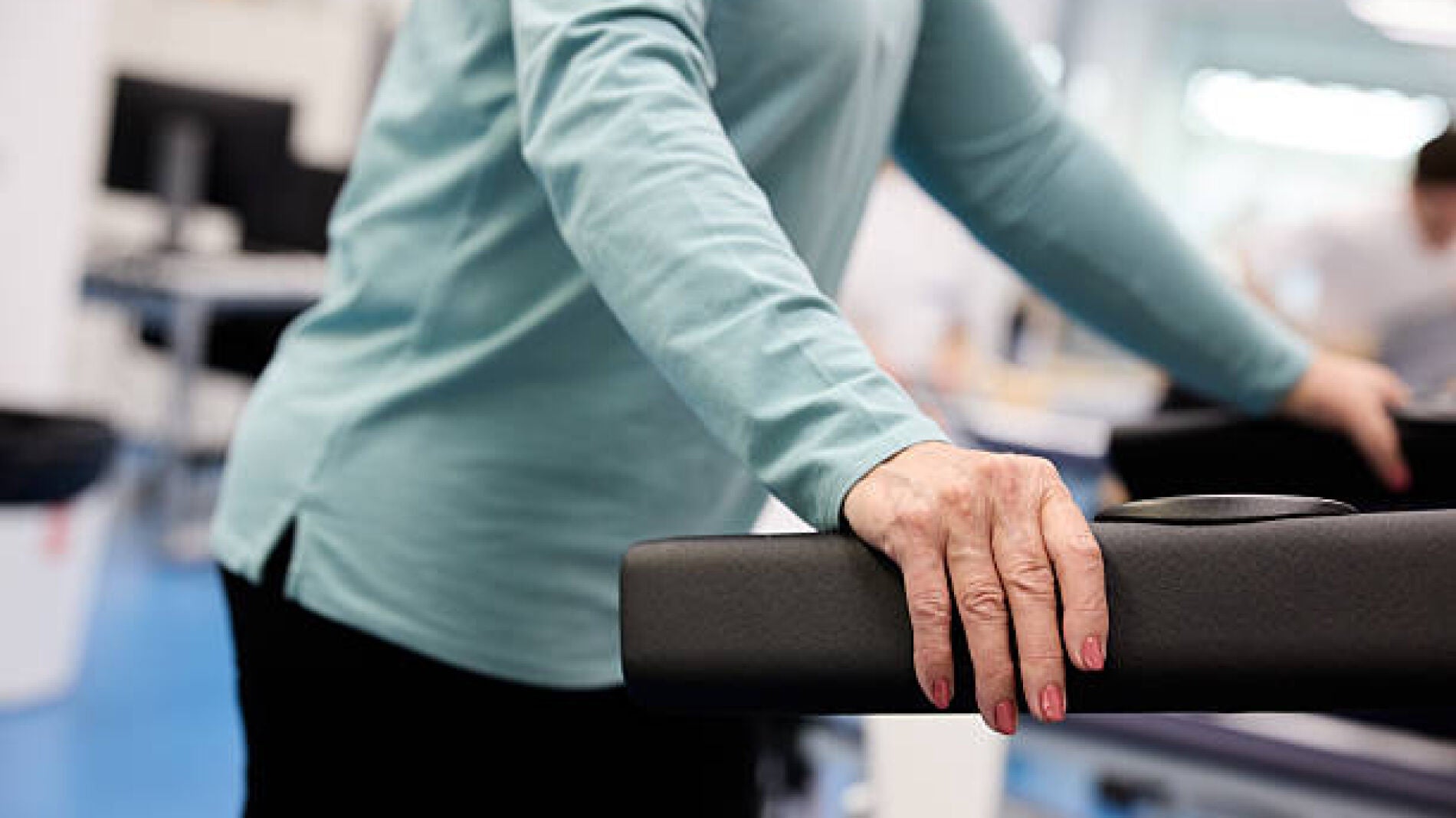
Muscle power and fall prevention
Standing up without hands evaluates more than basic muscle mass because the body must generate sufficient force in a short timeframe, a capability known as muscle power.
Muscle power is particularly critical when reacting quickly to avoid a fall after tripping or losing balance.
Aging can make this motion progressively slower over time. Scientific reviews analyzing the biomechanics of sitting and standing show that older individuals take longer to rise than younger adults.
Older adults also display a lower capacity to generate vertical force and experience greater body sway during the movement compared to younger people.
Recent research linked to the Toledo Study of Healthy Aging reinforces the clinical importance of leg power in older populations.
Investigators found that low relative power when standing from a chair was associated with a history of falls and bone fractures.
The study also identified a statistical association between lower chair standing power and higher all-cause mortality during follow-up monitoring.
Medical experts clarify that difficulty rising from a chair does not mean a fall or illness will definitely occur, but it highlights functional leg capacity.
How to practice the chair exercise
Practicing the chair stand exercise requires no specialized fitness equipment and can be done at home using standard household furniture.
Individuals should select a sturdy, stable chair that does not have wheels attached.
To start, sit with feet placed flat on the floor, positioned roughly hip-width apart, and lean the torso slightly forward.
From that position, push upward using the strength of the legs rather than pushing off with the arms, standing completely upright before lowering back down slowly under control.
Guidance from University College London Hospitals recommends standing up slowly using the leg muscles without pushing off with the arms, while keeping the eyes looking straight ahead.
For beginners, performing five controlled repetitions is often enough to start building lower body strength safely.
If standing without hands is too difficult initially, individuals can assist themselves using their arms or practice using a slightly higher seating surface.
As leg strength improves over time, individuals can depend less on hand support and gradually increase their total repetitions.
An exercise program developed by Oxford University Hospitals uses this exact progression to systematically build leg and hip strength.
Healthcare professionals note that controlling the descent back onto the seat is just as important as standing up.
Dropping down onto the chair removes much of the muscular effort, whereas descending slowly forces the quadriceps and glutes to actively control body weight.
Training programs and clinical research
A study published in the medical journal Gait & Posture analyzed older adults with mobility limitations who completed a 12-week combined strength and balance program.
Following the 12-week intervention, participants improved both their chair standing performance and their dynamic balance scores.
Among 70 participants with available data, 47 managed to perform at least two additional repetitions in the 30-second chair stand test.
Researchers noted an important nuance in the findings, pointing out that participants engaged in a broader regimen rather than relying solely on sit-to-stand repetitions.
Because the trial included comprehensive strength and balance routines, the improvements cannot be attributed exclusively to the chair exercise.
Maintaining mobility with age requires combining different forms of physical activity.
The United States National Institute on Aging recommends that older adults include aerobic exercise, muscle strengthening, and balance routines in their weekly habits.
The agency explicitly lists standing up from a seated position as a practical exercise for building and maintaining balance skills.
When to seek medical advice
Health specialists emphasize that occasionally needing arms to stand up does not necessarily signal a medical problem.
Factors such as low seat height, fatigue, temporary injury, or heavy footwear can significantly change how difficult the movement feels.
However, a recent or sudden decline in the ability to stand without assistance warrants closer attention.
Individuals should also monitor if standing becomes increasingly difficult on surfaces that previously caused no trouble.
Other warning signs include noticing that one leg is doing significantly less work than the other during the upward movement.
Experiencing pain, dizziness, or marked instability while attempting to stand also indicates a potential underlying health issue.
In those situations, healthcare professionals recommend consulting a doctor or therapist for an evaluation rather than simply trying to compensate by doing more repetitions.
Longevity expert Dan Buettner has also highlighted that simple daily functional movements offer substantial health benefits without the need for complex gym machinery or grueling workouts.