The General Council of Official Colleges of Pharmacists in Spain has launched a summer health campaign addressing extreme heat and medication risks.
The national professional body introduced the Summer Care 2026 initiative to inform the public about how high temperatures alter body reactions to everyday pharmaceuticals, skin treatments, and environmental hazards during unusually hot weather.
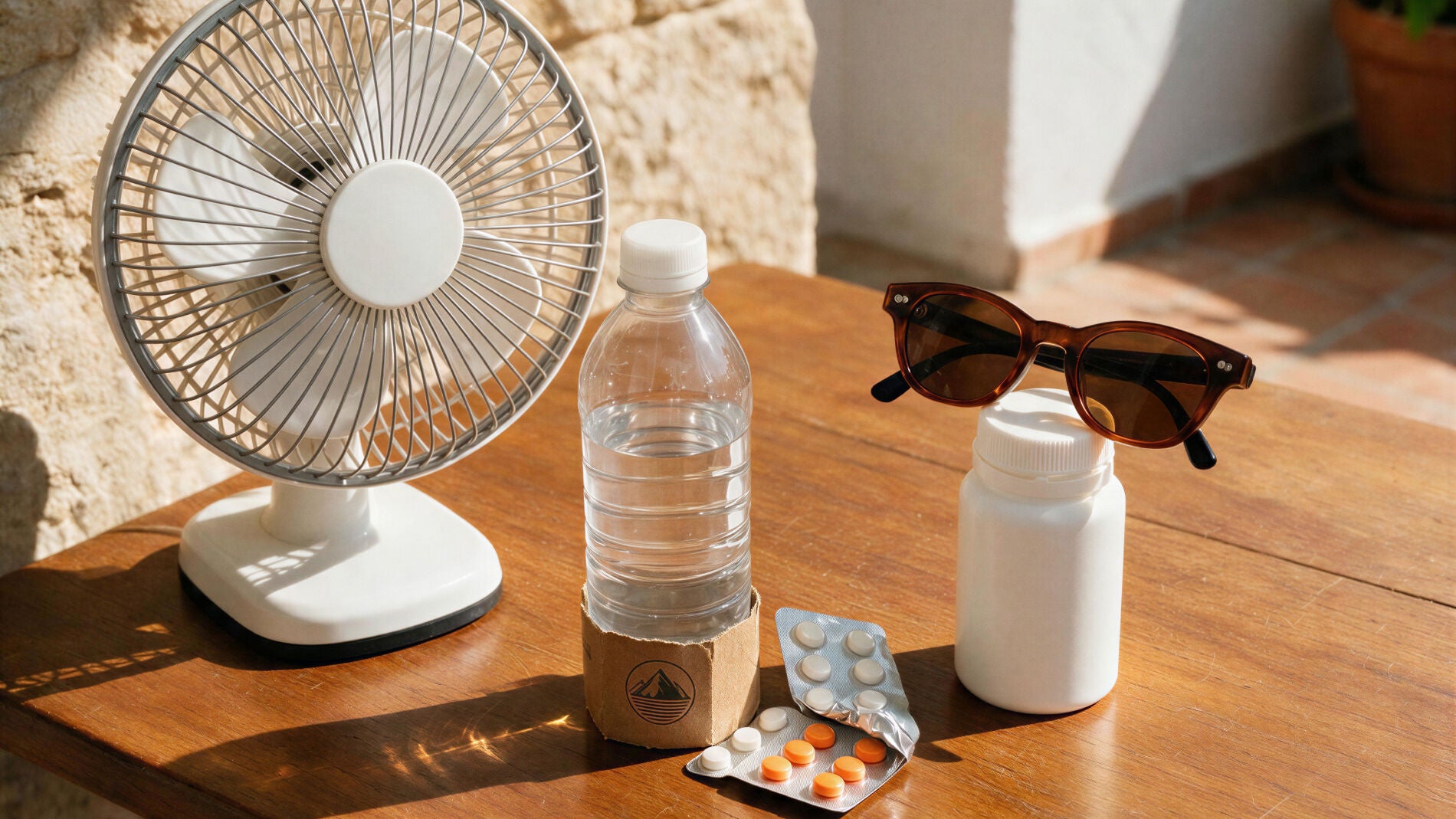
Medications and driving safety
Pharmacists warned that 6,000 medication presentations currently available in pharmacies can impair driving ability. These pharmaceuticals carry a specific warning pictogram on their packaging, consisting of a black car inside a red triangle, designed to alert drivers to potential skill alterations while at the wheel.
The main drug categories affecting driving performance include antiallergics, cold and flu remedies, anxiolytics, hypnotics, and muscle relaxants. Side effects identified by the pharmacy office department include increased drowsiness, excessive relaxation, decreased attention and concentration, reduced reflexes, longer reaction times, dizziness, and tremors.
Health officials recommended taking special precautions when starting a new treatment, changing a dosage, or managing polymedication, which is the simultaneous use of multiple prescription drugs. Drivers were advised not to operate vehicles during peak drowsiness periods between 14:00 and 16:00, as well as between 00:00 and 06:00.
Ocular and skin protection
High temperatures, atmospheric pollution, and ultraviolet radiation weaken natural eye defenses during heatwaves. Global warming has created hotter air and increased environmental particles, combined with dry winds and weather phenomena such as calima, a windborne Saharan dust haze that removes humidity from the air.
The optics department stated these environmental conditions encourage dry eye syndrome, ocular allergies, premature eye aging, and photokeratitis, a painful corneal sunburn caused by UV exposure. Vulnerable groups include children, elderly individuals, cataract surgery patients, people with light-colored eyes, polymedicated patients, and outdoor workers.
To protect eyesight, pharmacists advised wearing sunglasses with certified UV400 filters and CE marking, which block nearly all UVA and UVB radiation. CE marking indicates compliance with European safety standards, while UV400 ratings ensure protection against light wavelengths up to 400 nanometers.
For skin protection, the dermopharmacy department detailed photoprotection measures across five distinct settings: beach and pool, mountain, city, outdoor sports, and outdoor work environments. Outdoor workers were urged to prioritize protective clothing, caps, and periodic sunscreen reapplication.
Pharmacists warned against using sunscreens that have passed their post-opening period of use or leaving photoprotective products stored inside hot vehicles.
Summer foot care guidelines
The orthopedics department outlined a daily care routine for feet during hot weather. Recommendations include washing feet daily, drying them thoroughly, performing a gentle exfoliation once a week, moisturizing daily, trimming nails properly, and avoiding barefoot walking on irregular surfaces.
People using open footwear at beaches or swimming pools were advised to apply sunscreen to the instep of their feet. Pharmacists noted that persistent discomfort, non-healing wounds, severe pain, or suspected infections require evaluation at a pharmacy for referral to a medical doctor.
Hydration and fluid balance
Increased physical activity, heat, and solar exposure heighten the risk of dehydration through water and mineral salt loss. The nutrition department cautioned that certain medications affect fluid balance, kidney function, or heat adaptation capacity, specifically diuretics, antidepressants, and antihistamines.
Health guidance advises people not to wait until feeling thirsty to hydrate. Water should serve as the main fluid, alongside sugar-free infusions, milk, plant-based drinks, and light broths, while sugary soft drinks, energy drinks, and alcohol should be avoided.
All educational materials for the campaign are accessible on the official organization portal at www.farmaceuticos.com/farmaceuticos/farmacia/campanas/cuidados-del-verano-2026.