Twenty days after a massive border breach in Ceuta, the Spanish government has not confirmed how many people crossed into the North African enclave or how many currently remain in the city.
Seven ministers are scheduled to appear before the Spanish Congress to explain their departments' handling of the emergency. Prime Minister Pedro Sánchez, who holds ultimate responsibility for the government's actions, has not scheduled an appearance to address the crisis.
The border control failure has prompted criticism from within Sánchez's own Spanish Socialist Workers' Party (PSOE). Local Socialist representatives in Ceuta have publicly questioned the government's management of the emergency, joining existing opposition from the conservative People's Party (PP) and the right-wing Vox party.
Mounting pressure
Officials in Ceuta have said it could take months for the autonomous city to return to normal, warning that local public services are operating under pressure they cannot sustain much longer.
Despite the strain on local infrastructure, Health Minister Mónica García has insisted the situation is under control.
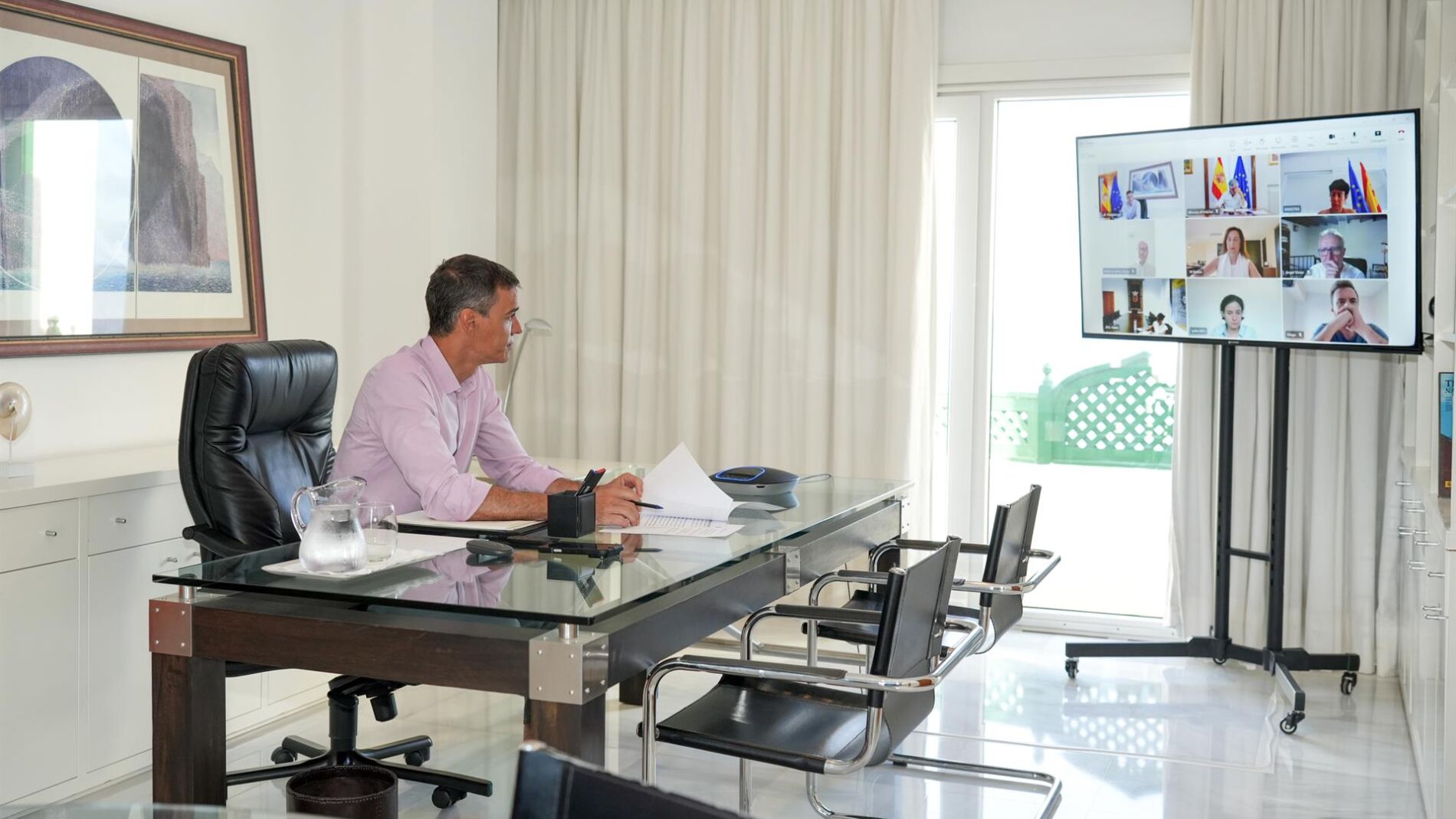
The government's response is currently being coordinated through videoconferences from ministers' summer retreats. Sánchez has been managing the situation from the Moncloa Palace in Madrid and the La Mareta royal residence in the Canary Islands.
Border security questions
Ceuta's land border with Morocco forms one of the European Union's only land frontiers on the African continent, making it a frequent flashpoint for migration disputes.
Sánchez has previously maintained that Morocco is a reliable partner, though his government described the recent mass crossing as an attack on Spain's territorial integrity.
Local Socialist politicians have questioned whether the government ignored signs of an impending rush on the border, asking why defenses were not reinforced in time if intelligence existed. They also asked how an operation of such magnitude caught the government completely off guard if there were no prior warnings.
The local representatives asked what failed in the relationship with Morocco to leave Ceuta exposed to a breach the government itself categorized as an attack on its borders.