Spain's high-speed rail network, the AVE, lost more than three million passengers between January and July 2026, the worst passenger decline in the service's history, according to analysis broadcast on the Spanish radio programme "La Linterna."
The figures were examined by host Ángel Expósito and Yolanda Gómez, deputy director of the newspaper ABC, during the programme's "Clases de Economía," or Economics Class, segment, which looked at why travelers have turned to other forms of transport amid growing frustration with rail services.

"La Linterna" airs on the Spanish radio network COPE and is presented by Expósito. The AVE, short for Alta Velocidad Española, was launched in 1992 with the Madrid-Seville line and has grown into one of the most extensive high-speed rail networks in the world, operated by the state-owned company Renfe.
Adamuz accident and speed limits blamed for the drop
Among the direct causes cited for the fall in passengers are the Adamuz accident, the speed limits subsequently imposed on the line connecting Madrid and Andalusia, and a breakdown caused by a fault in a control panel on the connection to Málaga. Adamuz is a town in the southern province of Córdoba, in the region of Andalusia.
This chain of incidents has produced continuous, recurring delays on the network, along with renewed criticism of how Transport Minister Óscar Puente, who has headed Spain's Ministry of Transport and Sustainable Mobility since 2023, has managed the situation.
Deteriorating service and a lack of investment
Gómez reflected on how the crisis has damaged the railway's reputation, saying it was a shame, because Spain had always been proud of its high-speed rail, which until recently was probably the safest way to travel to anywhere in the country.
She said that what has happened in recent years, probably because of a lack of maintenance and investment in infrastructure, is that delays and incidents have piled up one after another, eroding a service that had long been seen as a national success story.
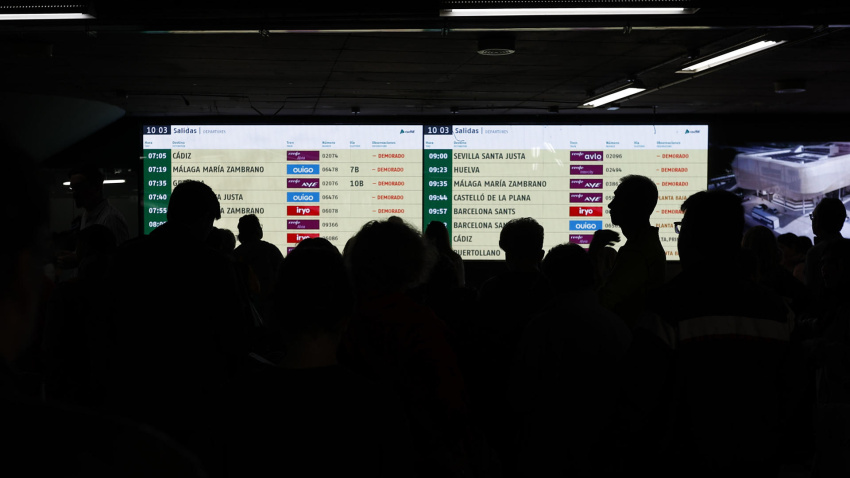
Gómez said the deterioration of the service has been enormous, aside from the tragedy of the Adamuz accident itself, and that this has had a direct impact on the number of passengers using the trains. Adding it all together, she said, has led to the loss of three million passengers in just six months, which she described as outrageous, amid ongoing controversy over how the delays and incidents have been managed.
Provincial travelers losing confidence in punctuality
The ABC deputy director stressed the measures needed to address the situation, saying she did not know how it could be fixed except through investment and by recovering the punctuality that had always characterized the service.
Gómez described widespread distrust among travelers, saying many people who used to travel by train now say they have to come the day before from the provinces to Madrid, or leave earlier than they otherwise would, because they cannot be guaranteed to arrive on time, since the train might stop partway through the journey and leave them waiting for an hour.
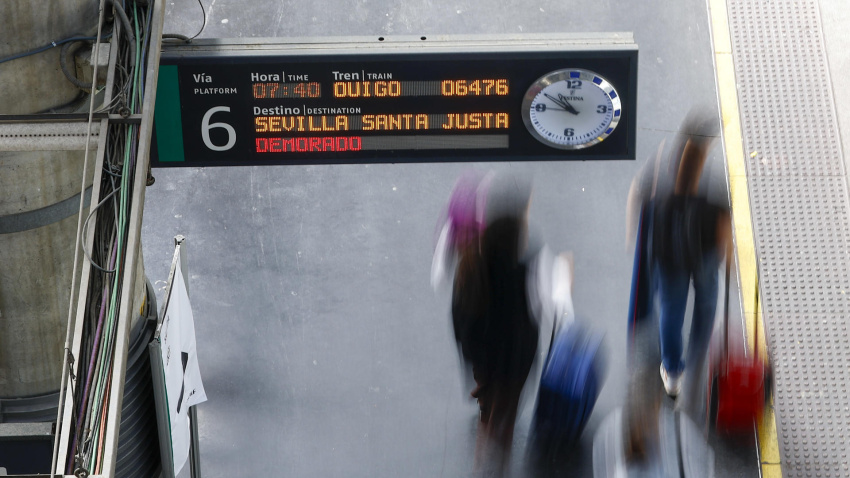
Calls for the minister to take note
Closing her remarks in the segment, Gómez said it was dramatic that something that had always been a source of national pride had deteriorated in this way.
Expósito concluded the analysis by saying he hoped the minister would take note of passengers' discontent and of the need to fix the problems affecting the rail network.