Spain will experience three solar eclipses over three consecutive years starting in 2026, according to information from the National Geographic Institute.
The rare sequence will bring two total solar eclipses and one annular solar eclipse across different regions of the country between 2026 and 2028.
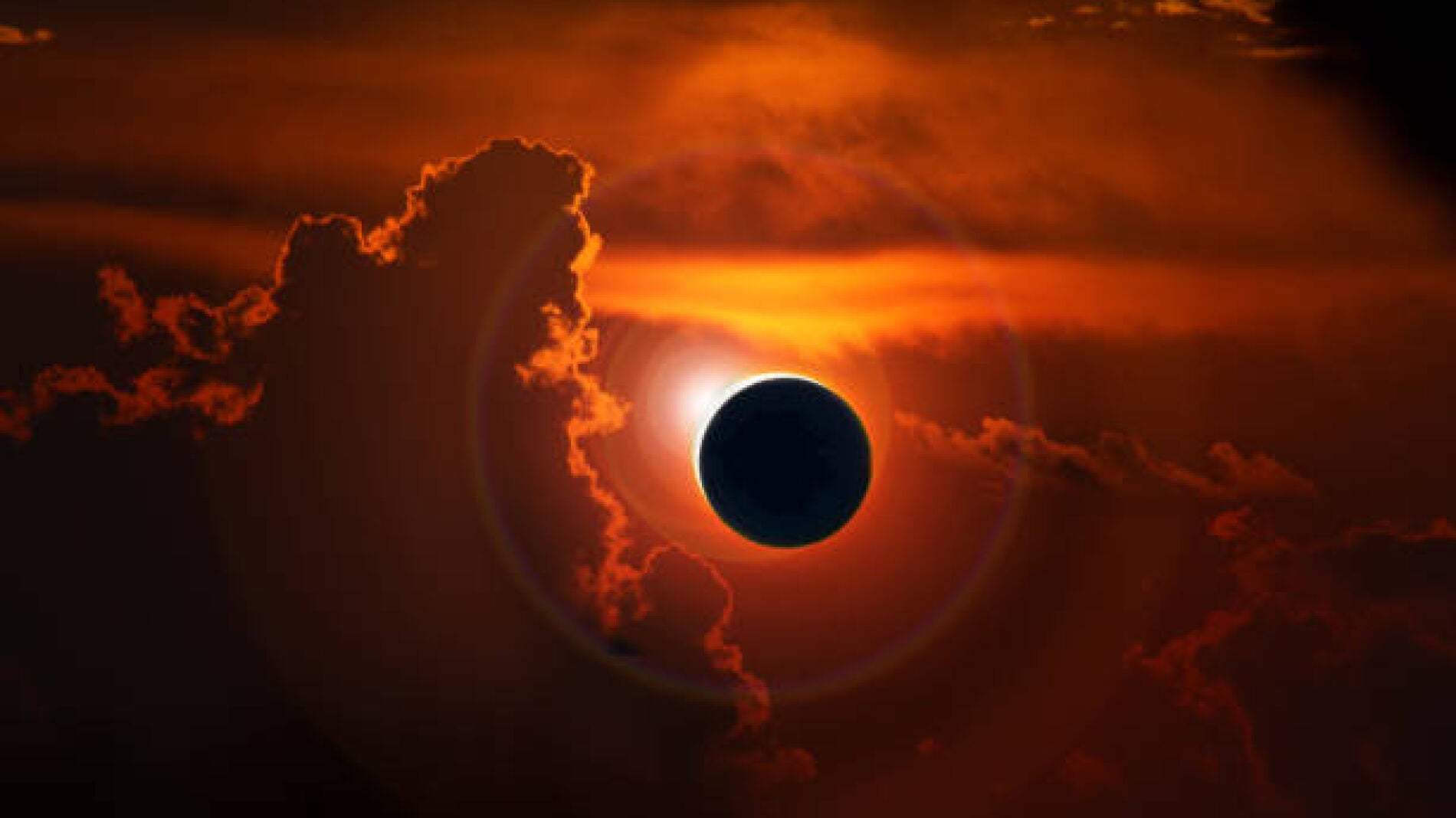
The National Geographic Institute termed the alignment a triad of Spanish eclipses because the shadow of the Moon will cross the nation in consecutive years. That consecutive path makes the event particularly unusual compared to standard eclipses visible from scattered points around the globe. The series will attract interest from astronomy experts, photographers, and general enthusiasts.
The eclipse sequence begins on August 12, 2026, with a total solar eclipse. Visibility conditions will vary across the country, allowing some regions of Spain to view totality while other areas observe a partial eclipse. The specific timing during the day provides another distinctive feature for observers.
The second event will take place one year later on August 2, 2027. This second total solar eclipse will follow a different path of totality, bringing complete coverage to different regions of the national territory.
The third phenomenon will occur on January 26, 2028, as an annular solar eclipse. Unlike the previous two events, the Moon will not completely darken the Sun during an annular eclipse.
Solar eclipse schedule and mechanics
Astronomical characteristics differ among the three events based on the relative apparent size of the Moon compared to the Sun when viewed from Earth. In a total solar eclipse, the satellite aligns to completely block the Sun for observers positioned within the path of totality. During totality, the sky darkens and the solar corona becomes visible.
An annular eclipse occurs when the Moon is farther from Earth or appears smaller in size. Although the Moon passes directly in front of the Sun, it cannot block it completely, creating a bright ring of sunlight around the Moon.
A partial eclipse happens when the satellite partially blocks the Sun because observers are located outside the path of deep shadow projected by the Moon.
Observing opportunities across Spain
The significance of the series relies on three main factors: the close proximity of the dates, the ability to observe each event from Spain, and the variety of eclipse types. Observers will not need to wait decades between occurrences, as new eclipse events will arrive in consecutive years.
The years 2026, 2027, and 2028 will offer special opportunities to view the interactions between the Sun, the Moon, and Earth from multiple vantage points throughout Spain.