

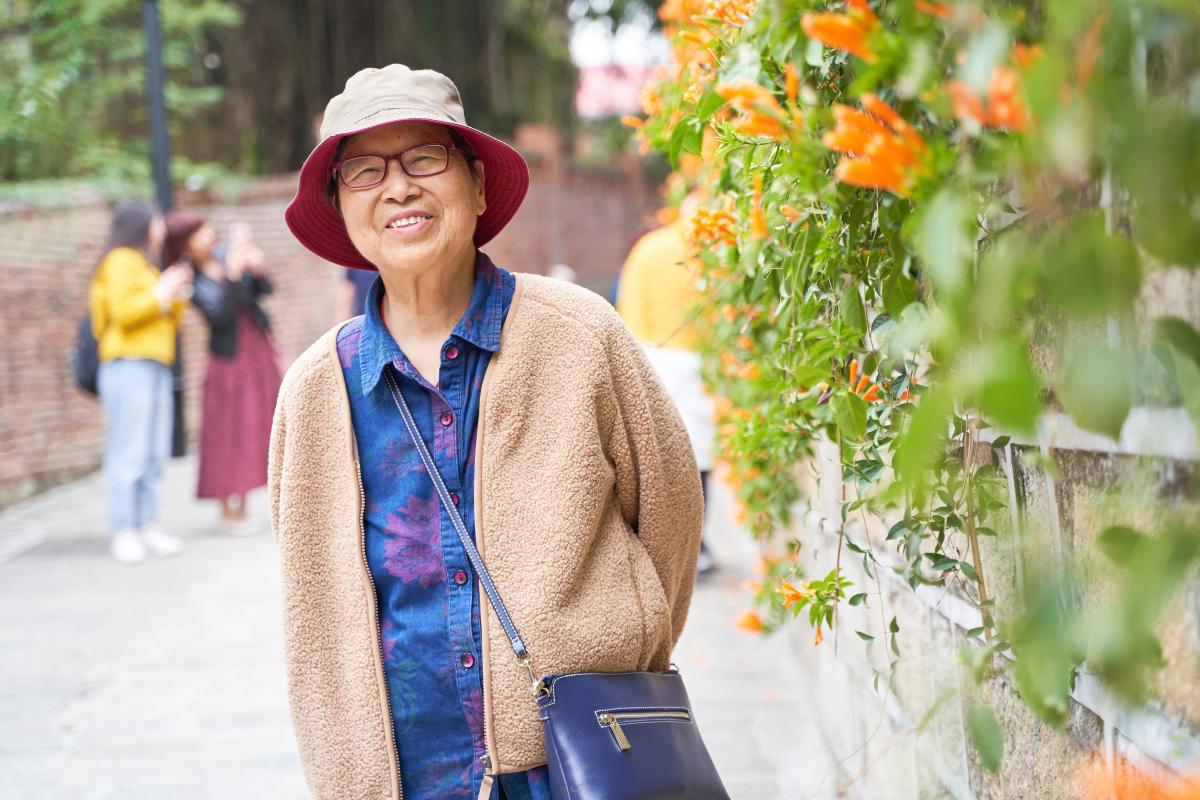
Women in rural southern South Korea are living to 100 while maintaining their daily working routines, gardening, cooking, and helping neighbors, according to research reported by Science Blog.
Researchers from Chonnam National University conducted a detailed study in 2018 examining 101 people aged 95 and older across four rural counties: Gurye, Gokseong, Sunchang, and Damyang.
The final analysis evaluated data from 94 participants who underwent comprehensive interviews, physical examinations, and blood tests.
The four districts form a recognized longevity belt in southern South Korea, where public health researchers have spent decades studying the factors behind exceptional life spans. Chonnam National University is one of the primary public research institutions in the region.
Physical activity and health markers
The study found that continuous physical and social engagement was a primary characteristic among rural centenarians.
Residents who regularly spent time outdoors engaged in gardening and routine daily tasks exhibited higher levels of albumin in their blood. Albumin is a protein produced by the liver that doctors use as a standard marker to assess nutritional status and overall physical condition.
For many of the oldest women surveyed, daily labor continued well into advanced age as they tended vegetable plots, prepared traditional meals, assisted grandchildren, and supported neighbors. Investigators observed that these routine activities functioned as more than physical exercise, providing the women with a lasting sense of being needed by their community.
Self-perceived health and mental mood
Nearly 60 percent of the study participants reported feeling healthy despite their advanced age.
The subjective perception of good health correlated most strongly with a lack of depressive mood rather than any specific medical indicator.
The authors noted that a positive mood alone does not guarantee long life. Because the study focused on a single region at one point in time, it could not establish a direct cause-and-effect relationship, though the findings align with broader patterns of healthy aging.
Dietary habits in rural counties
Rural Korean centenarians traditionally adhere to a diet rich in plant-based foods, fermented products, and seaweed.
Fermented soybean foods, specifically doenjang and cheonggukjang, alongside seaweeds, supply key nutrients that may otherwise be limited in a predominantly plant-based diet. Doenjang and cheonggukjang are traditional Korean fermented soybean pastes widely consumed as dietary staples.
The study showed that participants aged 95 and older in the rural districts and a neighboring city consumed less total food than the average elderly Korean, but ate higher amounts of seaweed, meat, and iron. Researchers emphasized that no single food item acts as a magic solution for longevity.
Social connection and quality of life
A separate four-year Korean study that tracked 525 elderly individuals in rural areas demonstrated a direct link between social interaction and quality of life.
Shifts in how frequently participants met with friends directly matched changes in their self-reported life satisfaction.
As a result, Korean researchers increasingly view longevity not only through nutrition, physical exercise, or genetics, but also through social relationships, daily occupation, and a personal sense of being needed.


