Bacteria multiplying in warm and humid footwear are the main cause of foul shoe odors, according to a guide published on August 19, 2026, by editor Yulia Anasyan for Russian news outlet Lenta.ru.
Moisture from foot sweat absorbs into insoles and shoe linings during wear. When footwear lacks proper ventilation, it creates ideal conditions inside the shoe for microorganisms that produce characteristic smells.
Causes of footwear odor
Anasyan reported that several everyday factors worsen odor problems. These include wearing shoes made of synthetic materials, failing to maintain proper foot care, wearing the same pair repeatedly without airing it out, and excessive sweating caused by medical conditions.
To prevent bad smells, Anasyan recommended maintaining consistent foot hygiene and consulting a dermatologist or mycologist if excessive sweating persists. Dermatologists specialize in skin conditions, while mycologists focus on fungal infections.
Footwear requires sufficient time to dry completely between uses. Standard sneakers and boots typically need 24 hours to dry and air out, provided they have not been soaked by rain.
Prevention and daily shoe care
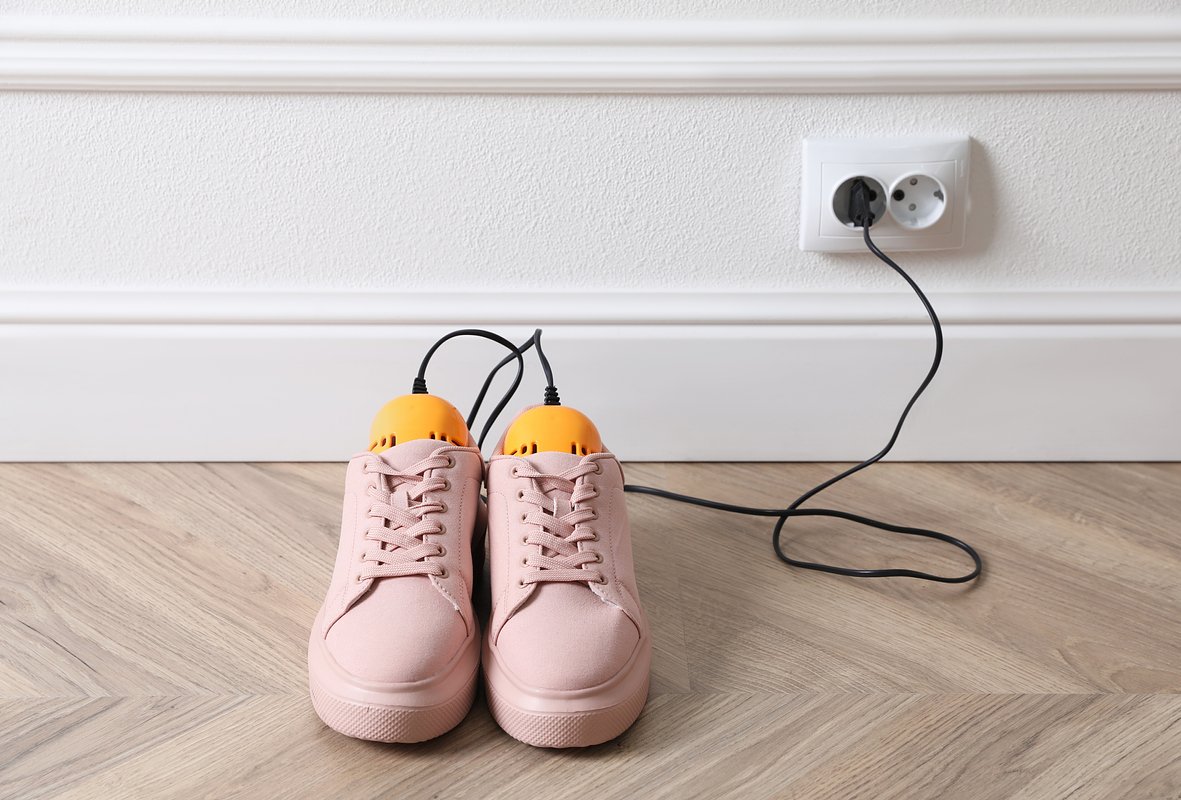
For individuals who do not own alternate footwear, Anasyan suggested using a specialized electric shoe dryer. These electric devices feature heating units that sit inside the footwear, and many modern models incorporate ultraviolet lamps for internal disinfection.
Routine preventive measures include rotating shoes rather than wearing the same pair every day, storing footwear in a dry and cool location with adequate air circulation, and wearing socks crafted from moisture-wicking fabrics.
The guide also advised using sweat-absorbing insoles that are washed on a regular schedule, as well as applying foot antiperspirants or deodorants to reduce perspiration and prevent bacteria from colonizing the skin.
Chemical sprays and moisture absorbers
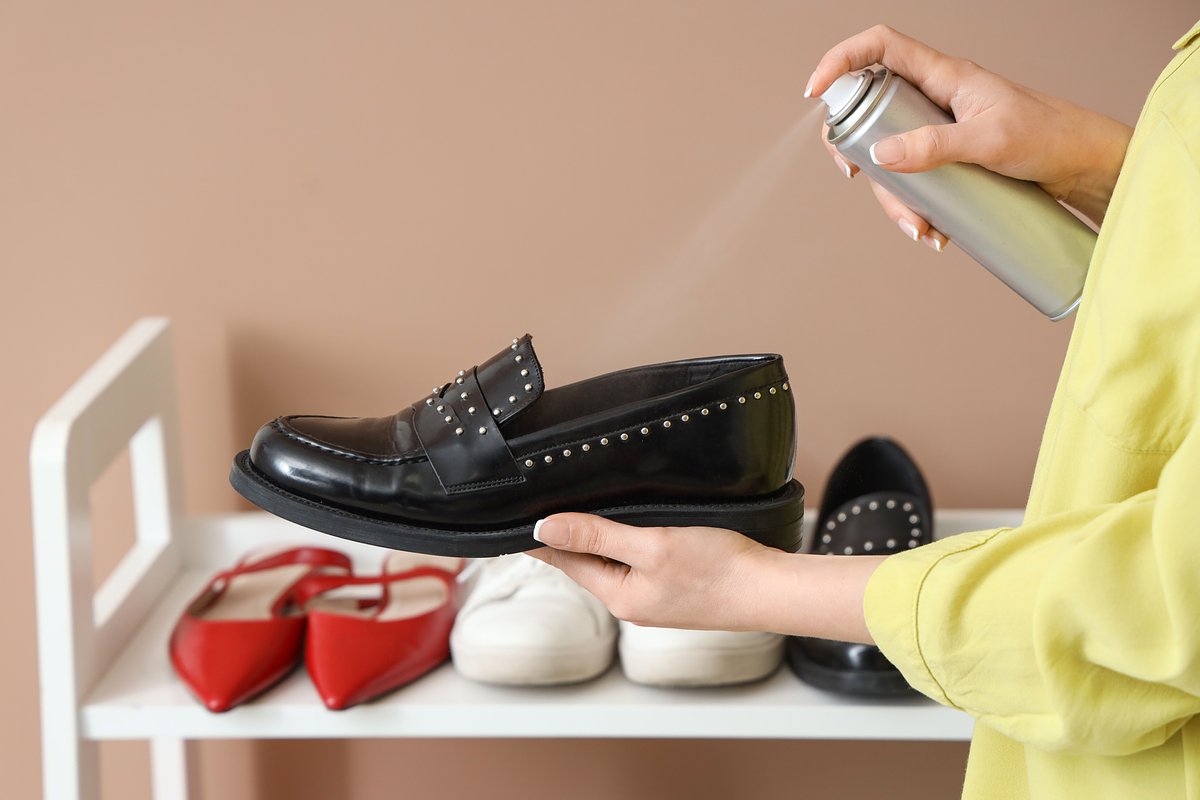
Commercial antibacterial spray deodorants offer a quick treatment for smelling footwear. According to the guide, users should shake the aerosol can thoroughly, spray the interior of each shoe evenly for several seconds, and leave the footwear in a well-ventilated space until completely dry.
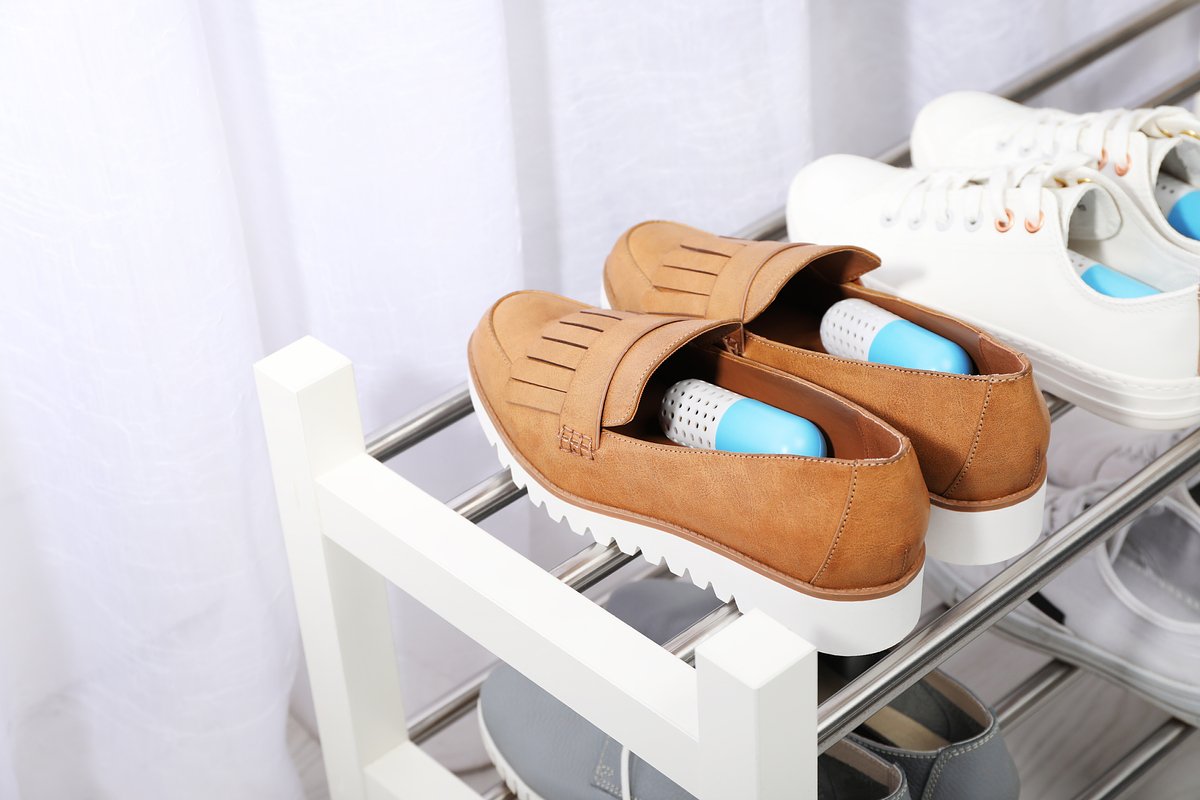
Deodorants designed as moisture absorbers present another commercial option. These fabric pouches contain natural fillers such as volcanic chips or honey, which absorb excess moisture and stop bacterial multiplication when left inside shoes overnight.
Hydrogen peroxide and black tea bags
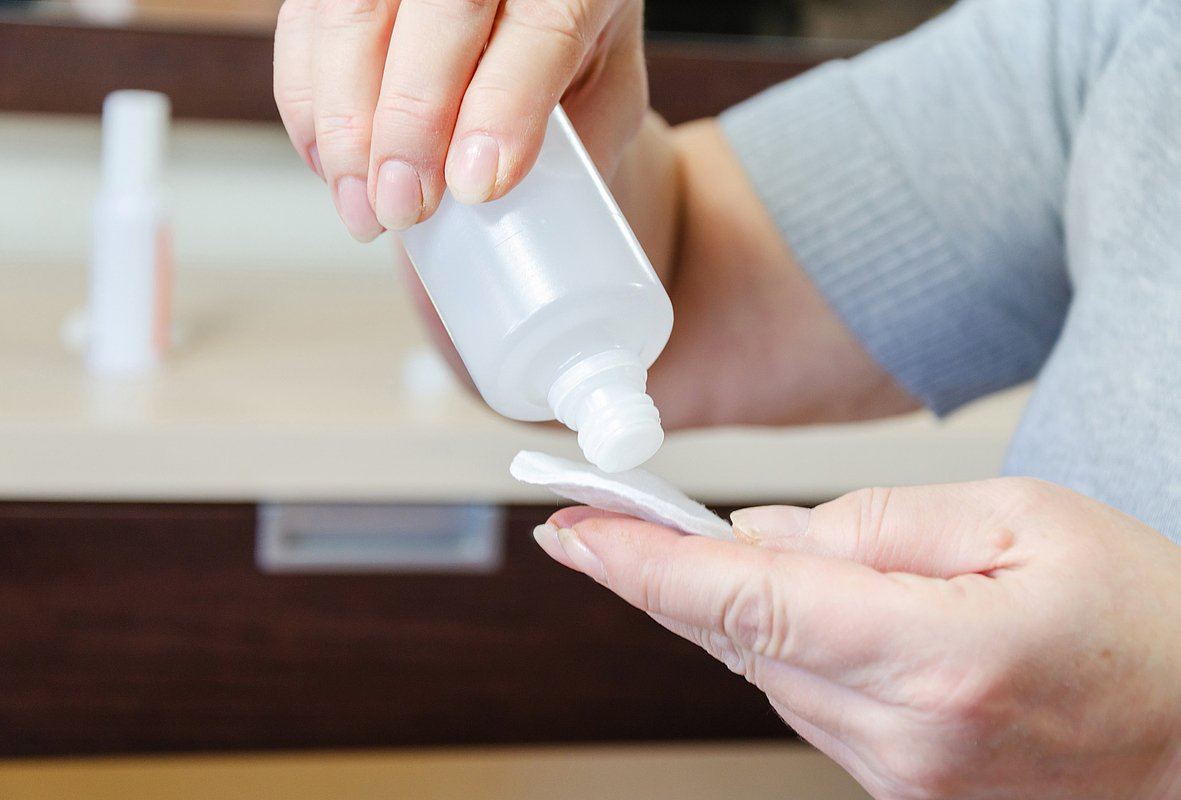
Hydrogen peroxide provides strong disinfection to neutralize unpleasant smells. The guide directs users to combine equal parts hydrogen peroxide and water in a 1 to 1 ratio, soak cotton pads or balls in the solution, and place them inside the shoes for six hours.
After six hours, the cotton pads should be removed, and the footwear must dry entirely before being worn. Hydrogen peroxide (H2O2) is a common antiseptic liquid widely used as a household disinfectant.
Anasyan warned that hydrogen peroxide should not be used on cloth or colored footwear. While the solution eliminates bad odors, it can bleach or damage colored materials.
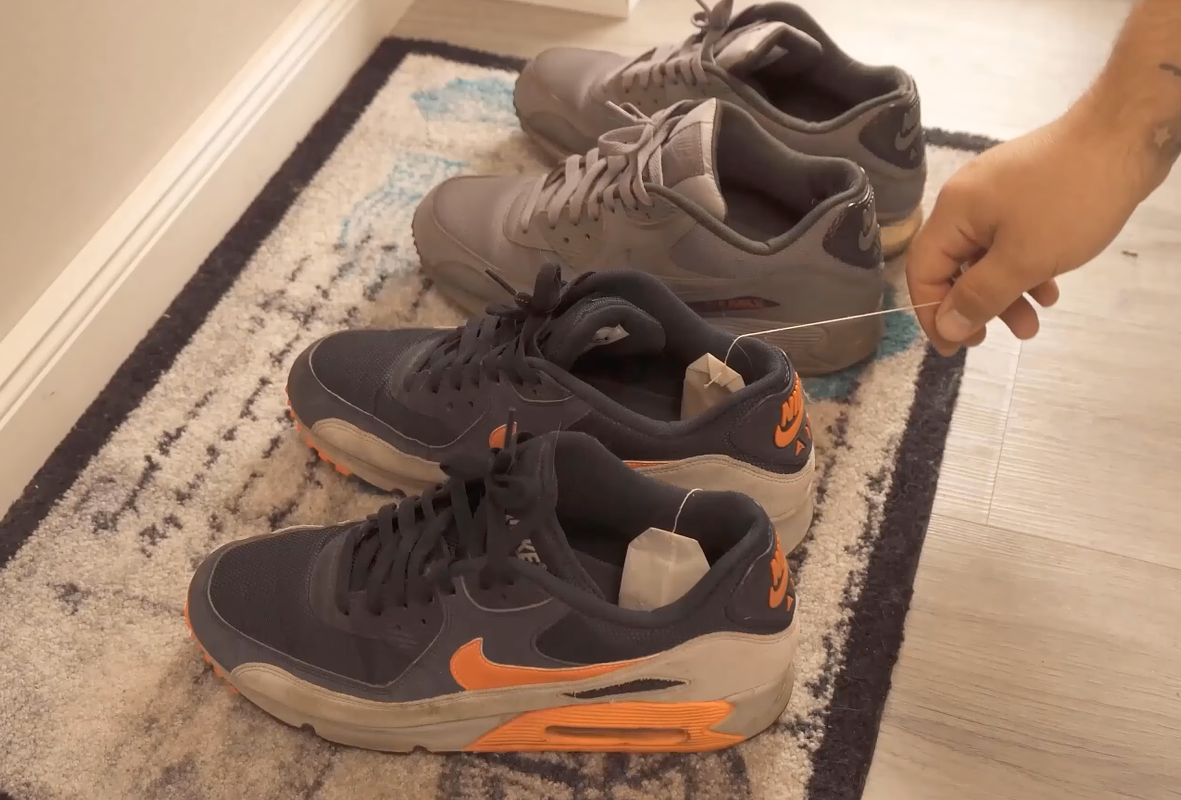
Black tea bags offer another household remedy due to their high concentration of tannins. Tannins are naturally occurring plant compounds that act as antiseptics to destroy bacteria and absorb harsh odors.
To apply this method, users should boil 6 to 10 black tea bags in water for two minutes, allow them to cool, and gently squeeze out excess liquid. Placing three to five tea bags inside each shoe overnight absorbs smells. In the morning, users remove the bags, dab the interior with dry napkins, and let the shoes air dry.
Baking soda for odor and shoe cleaning
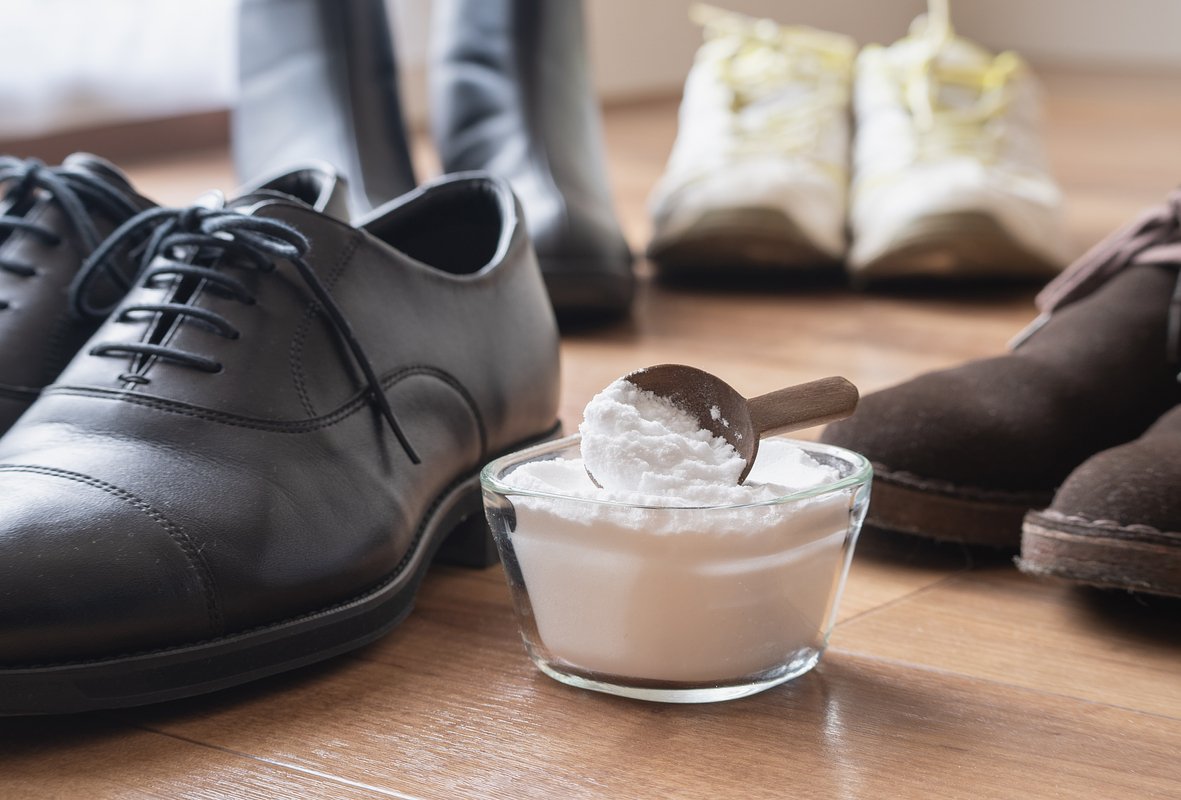
Household baking soda functions as a natural absorbent that absorbs excess moisture and neutralizes acidic compounds produced by bacteria. Baking soda, or sodium bicarbonate, is a crystalline powder frequently used for household odor control.
The guide instructs users to place two to three tablespoons of baking soda into each of two socks or fabric pouches and insert them into the shoes overnight.
Baking soda also eliminates factory odors, such as glue or rubber smells in brand-new footwear.
Additionally, Anasyan outlined a method to clean white sneakers using baking soda. Users can mix baking soda with water and laundry detergent to create a paste, apply it across the exterior of the shoes, and leave it overnight. The following morning, the paste should be scrubbed off with a soft sponge before the sneakers are left to dry.
Essential oils and citrus peel remedies
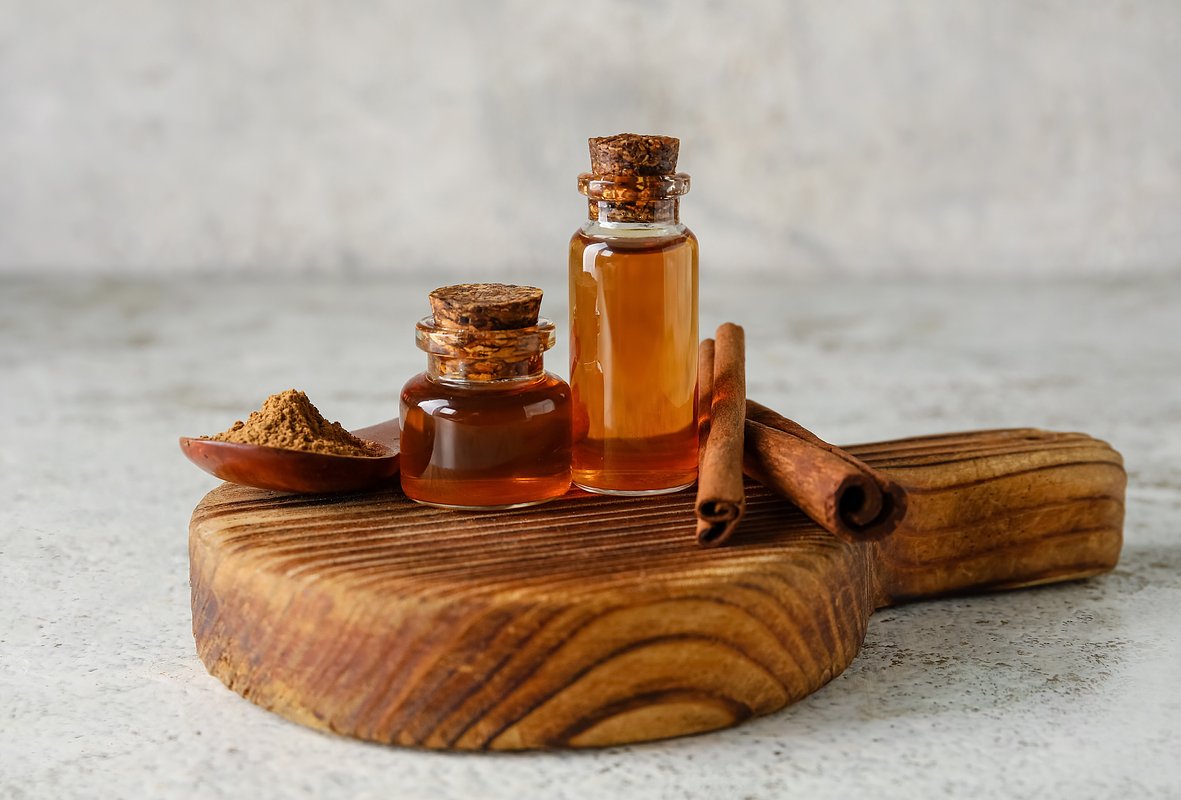
Essential oils destroy odor-causing bacteria and fungi while leaving a pleasant fragrance. Recommended options include tea tree, clove, cinnamon, cedar, orange, lemon, and eucalyptus oils.
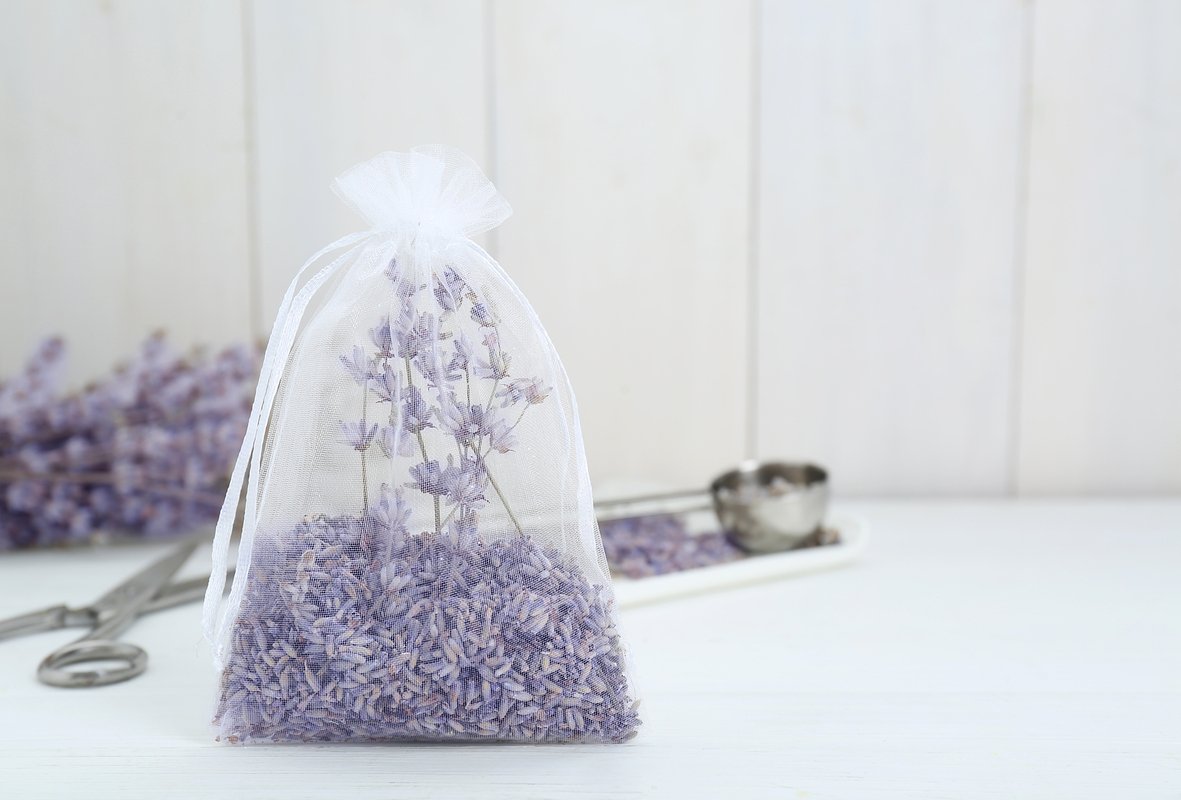
Users should apply several drops of oil onto four cotton pads, placing two pads inside each shoe at the toe and heel positions for at least 10 hours. Sachets filled with dry lavender can be used as an alternative.
Anasyan cautioned against placing essential oils directly onto shoe fabrics, particularly light-colored footwear, because the oils can leave permanent stains.
Fresh citrus peels offer a simple natural alternative. Placing pieces of orange, lemon, or grapefruit peel inside footwear overnight allows the porous peel to absorb smells while natural citrus oils eliminate bacteria.
Activated charcoal and herbal sachets
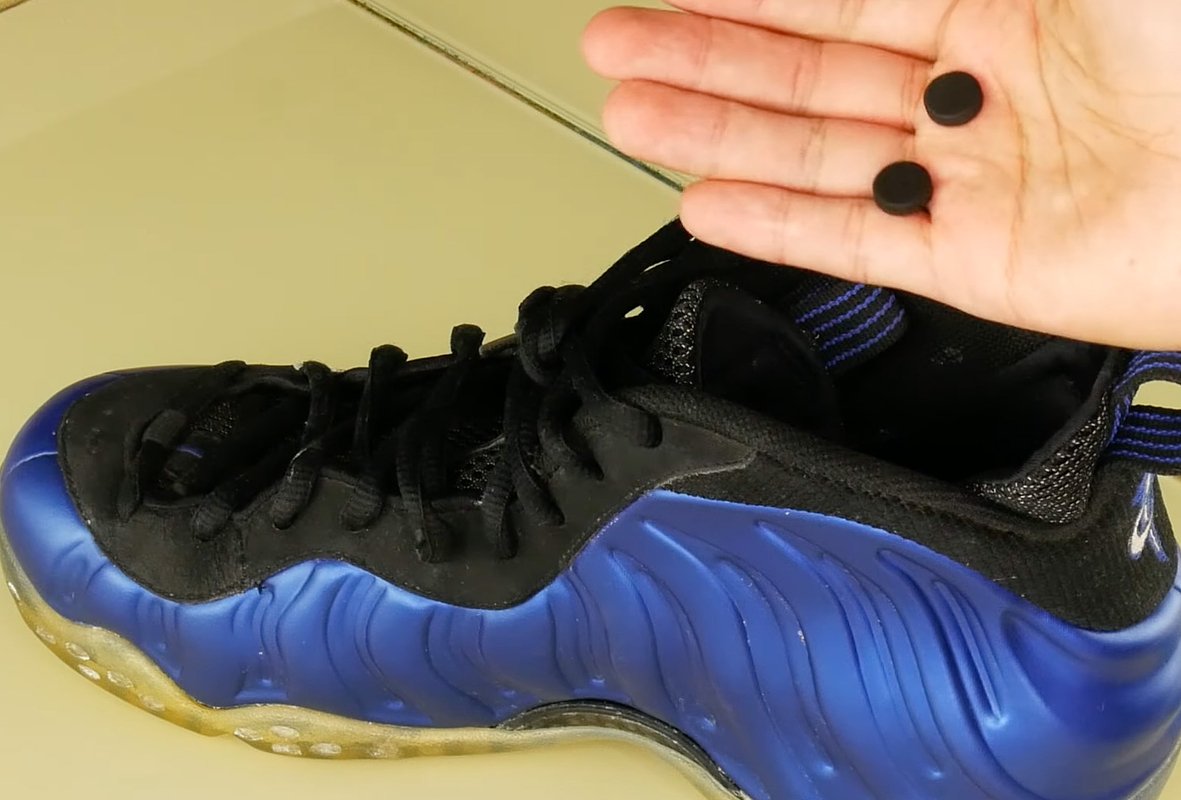
Black or white activated charcoal acts as an absorbent that draws out moisture and stops bacterial growth. The method requires crushing 8 to 10 activated charcoal tablets into powder, wrapping the powder in cheesecloth or fabric pouches, and leaving the pouches inside shoes until morning.
Small packets of silica gel, often packaged inside new shoe boxes or sold online, can be used instead of charcoal powder. Silica gel consists of porous silicon dioxide designed to absorb ambient moisture.
Spices and aromatic herbs provide another antimicrobial treatment. Users can wrap chopped mint, sage, lavender, or thyme in cheesecloth to make two small bags, then place them inside shoes in a ventilated space for four to five hours. Adding dried clove buds increases the antibacterial effect.
Laundry soap wash and freezing techniques
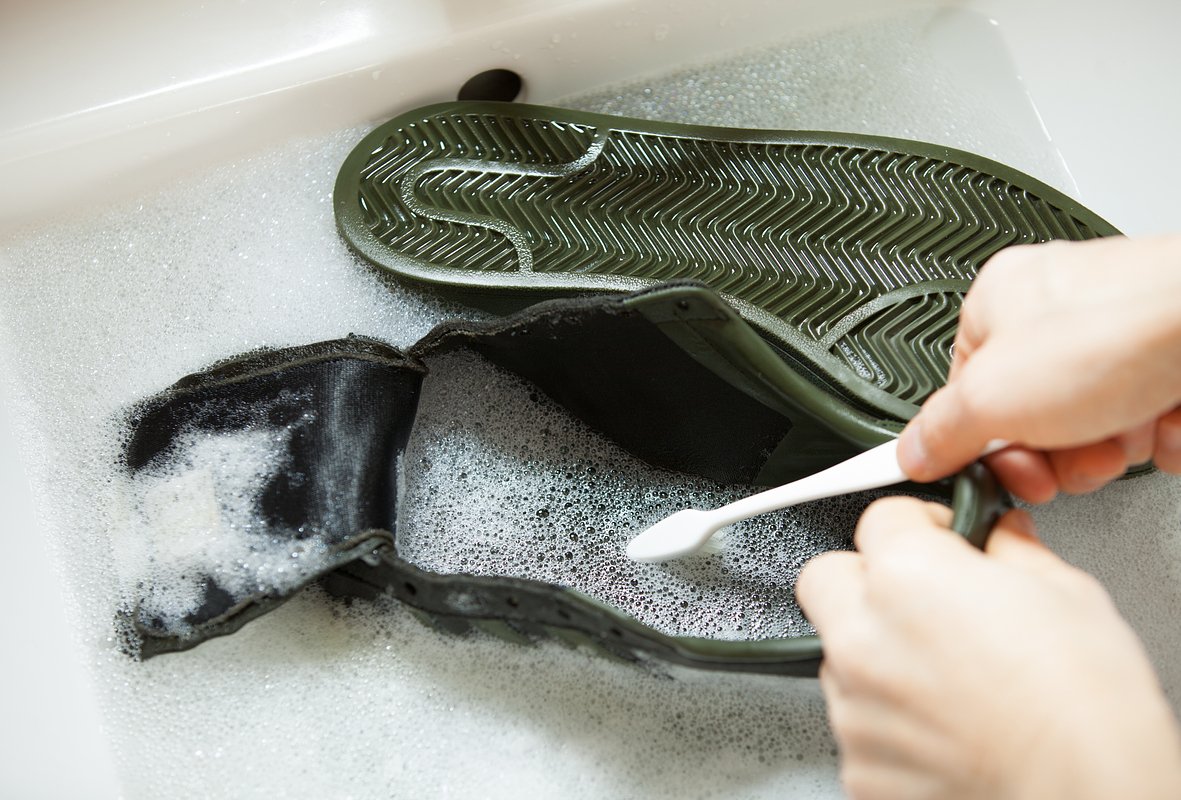
Laundry soap provides a low-cost method to refresh fabric shoes such as sneakers. The guide instructs users to grate a bar of household laundry soap, dissolve the shavings thoroughly in hot water, and rub the solution inside the shoes and over insoles using a sponge before letting them dry in a warm area.
Anasyan noted that while fabric shoes can be washed or treated with soap, footwear made of genuine leather must not be subjected to this treatment.
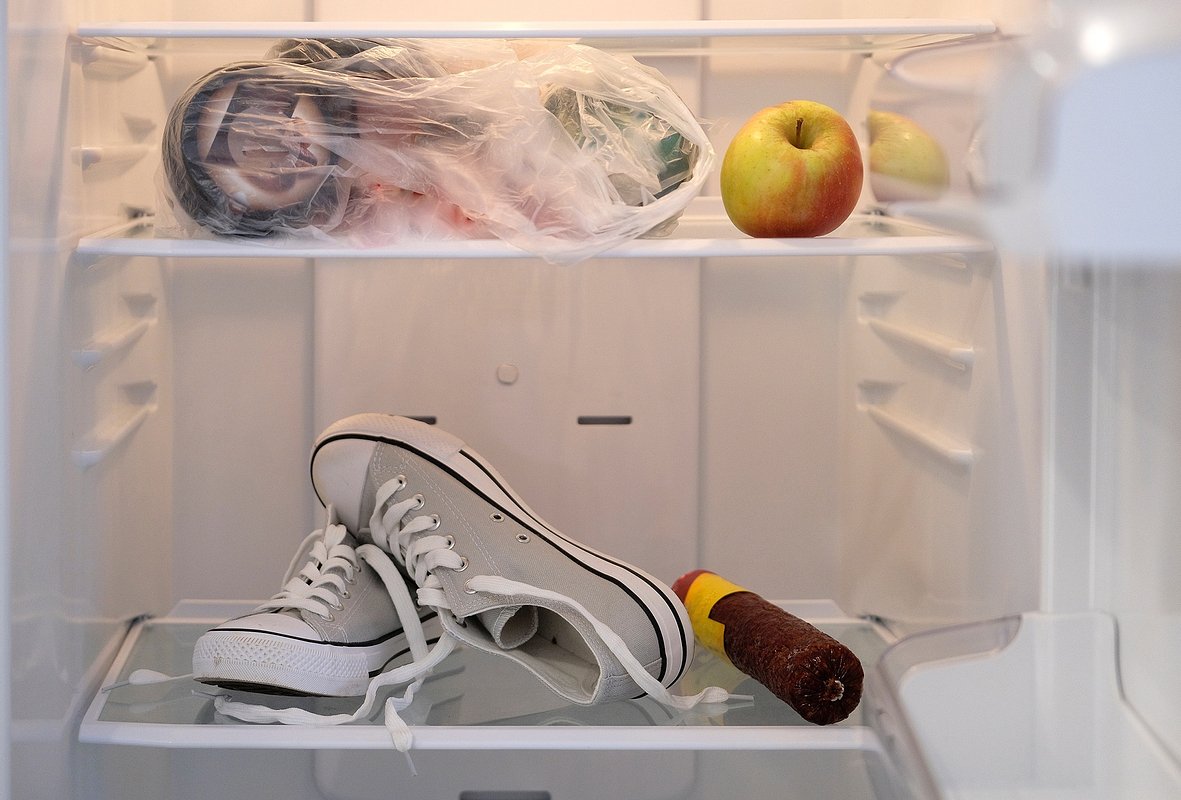
Freezing footwear offers another solution because sub-zero temperatures in a freezer kill odor-causing microorganisms. Shoes should be washed clean, allowed to dry, placed inside a plastic bag, and left in the freezer overnight. After removal, the shoes must dry once more before use.
Anasyan emphasized that freezing should never be applied to patent leather shoes, as sub-zero temperatures can crack the glossy exterior surface.