

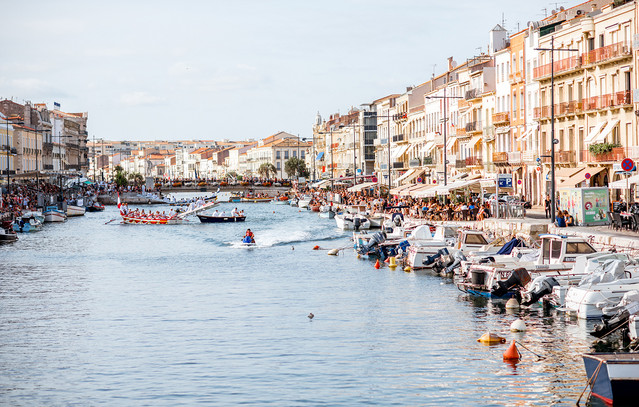
Sète, a port town in southern France, offers a network of canals and colourful facades that have earned it the title of the Venice of France.
Situated between the Mediterranean Sea, the Étang de Thau lagoon and the Mont Saint-Clair hill, the town maintains a strong maritime identity and cultural heritage.
The Canal Royal is the most recognisable feature of Sète. The town's port dates back to the 17th century, with the construction of the Môle Saint-Louis breakwater beginning in 1666. King Louis XIV ordered the development to establish a major Mediterranean port and connect it to the Canal du Midi, a historic waterway linking the Atlantic Ocean to the Mediterranean.
Walks along the canals and the old port reveal a brightly coloured town. The steep, narrow streets of the Quartier Haut district feature vibrant building fronts that resemble an Italian village. This Italian influence stems from the 19th century, when fishermen from the Naples region settled in Sète and left their mark on the town.
Active fishing port
The sea remains central to the identity of Sète. Visitors to the active fishing port can watch the fleet of boats and see the fishermen returning with their daily catch.
The official tourist board recommends a walking route that links the oldest part of the town with the fishing harbour, offering clear views out to sea.
For the highest vantage point, visitors can climb Mont Saint-Clair to see the town, the canal network, the port and the Mediterranean Sea. The Musée Paul Valéry sits on the slopes of the hill. The museum is dedicated to the renowned French poet, who was born in Sète and famously described his hometown as the singular island.
During the autumn months, the town offers a quieter environment for exploring the neighbourhoods, local gastronomy and maritime traditions, away from the busy summer tourist season.
September and October provide a calmer and more authentic atmosphere to experience a lively Mediterranean town that is more than a standard coastal resort.


