

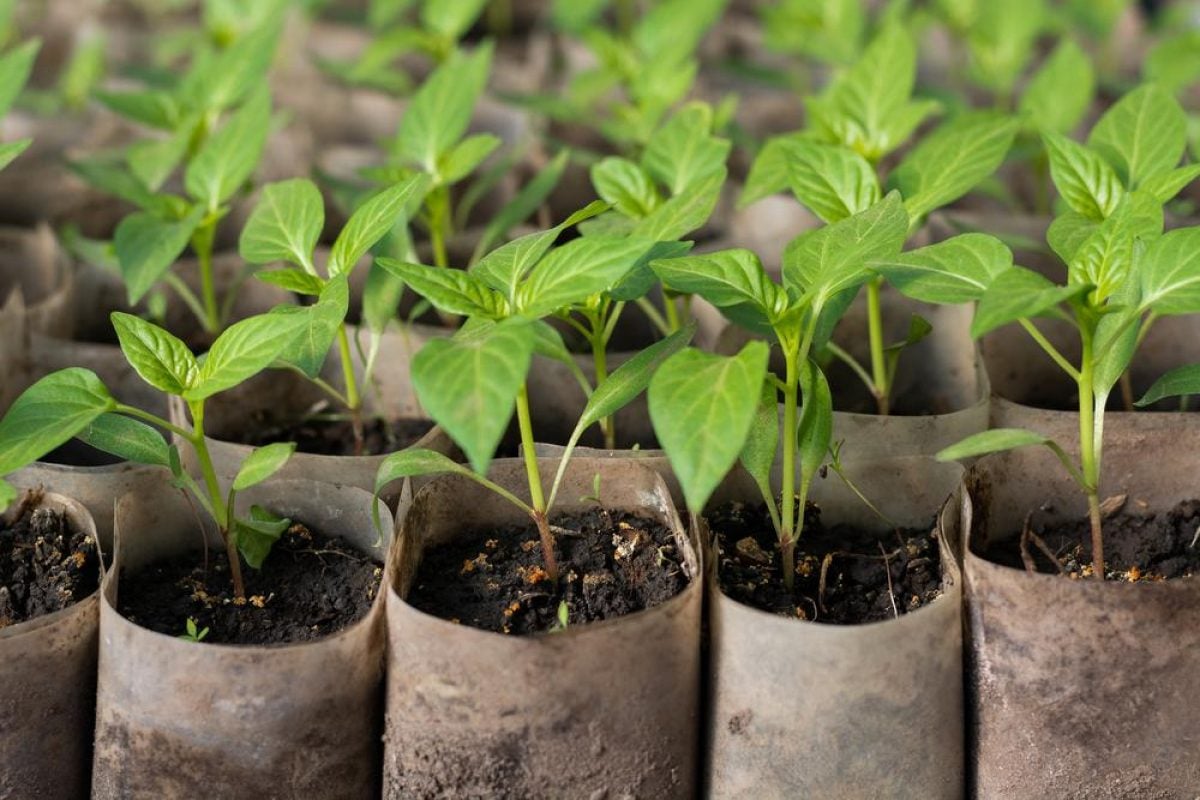
Scientists have found that superabsorbent gel extracted from baby diapers can help soil retain moisture and potentially assist plants in surviving drought conditions.
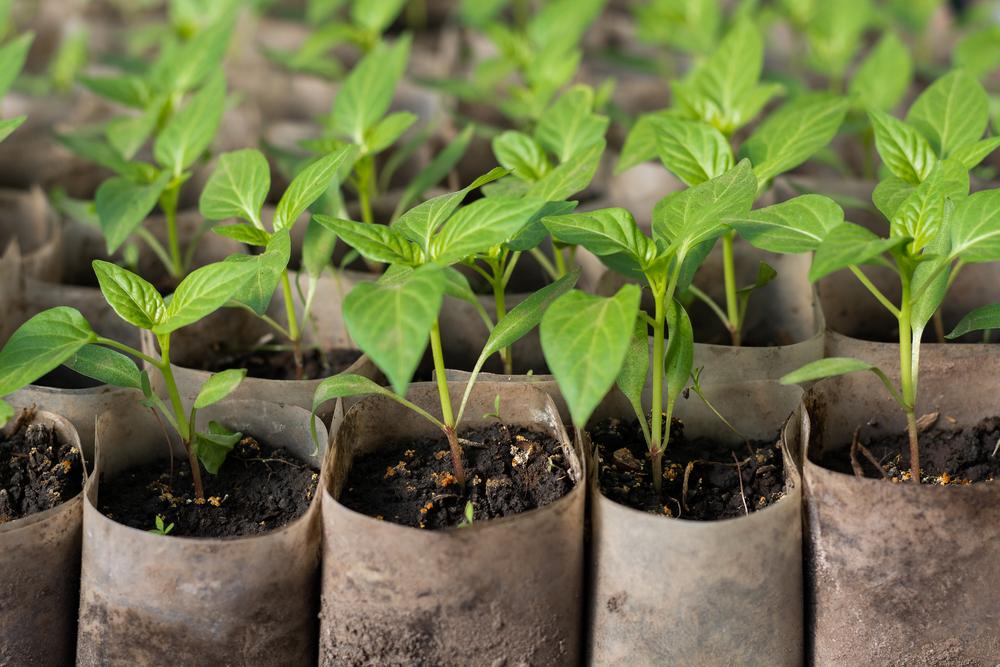
In a laboratory experiment reported by the Economic Times, researchers extracted the water-absorbing polymer from unused disposable nappies, mixed it with sand, and measured how effectively the material stored moisture.
Laboratory measurements showed that one gram of dried polymer material from diapers held approximately 100 grams of water. That performance proved comparable to Aquasorb, a commercial agricultural hydrogel used by farmers to maintain soil moisture during dry periods.
The moisture retention effect was particularly marked in sand, a coarse substrate that normally loses water rapidly. Adding just 0.3 per cent of the diaper gel by volume increased the volume of moisture accessible to plant roots threefold.
Agricultural hydrogels are cross-linked polymer networks designed to absorb water and release it slowly into surrounding soil as moisture levels drop. Sandy soils naturally contain large pore spaces that allow rainfall and irrigation to drain away rapidly, making water-retaining polymers an established tool for improving soil water-holding capacity during droughts.
Diaper recycling potential
The experiment highlights an unexpected alternative use for disposable hygiene products, which currently represent a major global waste challenge. Approximately 2.4 million tonnes of superabsorbent polymer contained in single-use diapers are thrown away worldwide every year, with the vast majority sent to landfills.
However, converting used nappies into usable agricultural materials presents significant practical obstacles. The superabsorbent gel must first be separated from non-absorbent plastics and fabric layers, followed by thorough cleaning and sterilisation, processes that require specialized equipment and substantial financial investment.
Laboratory limits and future research
The research team emphasized that their findings are preliminary and strictly limited to controlled conditions. The initial tests were performed entirely in a laboratory setting using pure sand, and the material was evaluated on only one plant species, mustard.
Mustard plants are frequently selected as standard test subjects in botanical research due to their rapid germination and sensitive root systems, which allow scientists to quickly evaluate plant responses to soil conditions and water stress.
Because of those constraints, scientists stated that diaper gel cannot currently be used in domestic gardens or on commercial farm fields. Further research is necessary to demonstrate the safety of the material, verify its performance in different soil types, and determine its long-term effects on plant health.
Despite those hurdles, researchers concluded that a substance currently treated as municipal waste could eventually serve as a raw material for innovative water preservation technologies in agriculture.


