

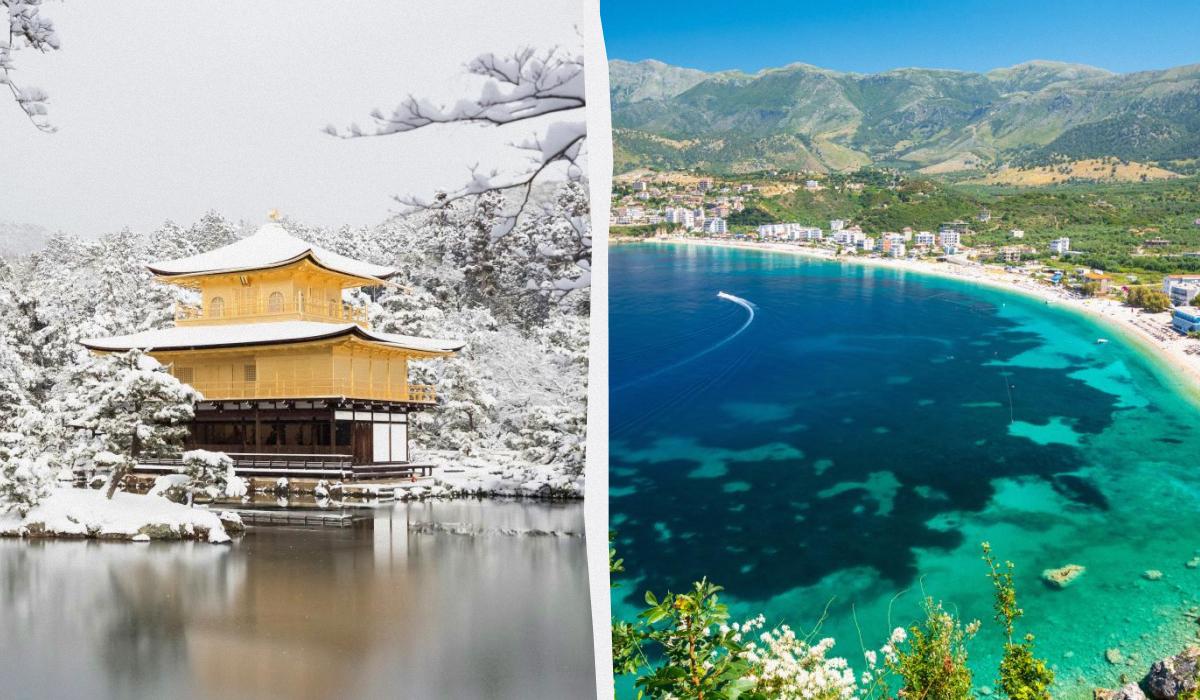
Travel publisher Fodor's has released its No List for 2027, naming eight world-famous destinations that holidaymakers should reconsider visiting next year.
The annual compilation highlights global travel hotspots suffering from the acute effects of overtourism, including the Scottish capital of Edinburgh, the ancient Japanese city of Kyoto, the Indonesian island of Bali, and the Amalfi Coast in Italy.
Fodor's compiles the list each year to draw attention to places where tourism has expanded to the detriment of local environments and host communities. The publisher stated that runaway crowd numbers, intensive construction, and the rapid spread of short-term holiday lets are actively harming permanent residents while degrading the very attractions that originally drew travelers from across the globe.
The Causes of Overtourism
The guide's editorial team explained that unchecked visitor traffic frequently pushes fragile ecosystems past their limits and drives housing costs to levels local people can no longer afford. In many popular historic quarters, normal residential life has all but vanished as traditional neighbourhoods are converted into continuous strips of souvenir shops.
Fodor's emphasized that inclusion on the No List does not mean the featured destinations are unappealing or flawed. Instead, editors pointed out that these locations have become victims of their own immense popularity.
The experts stressed that they are not calling for an outright tourist boycott of the named sites. Rather, they are urging travelers to plan their holidays with greater mindfulness, noting that while tourism can bolster local economies and support heritage conservation, unregulated growth risks causing irreversible damage.
Fodor's is an American travel publisher founded in the 1930s by Eugene Fodor, known worldwide for its guidebooks and destination reviews. In recent years, its annual No List has become a focal point in global debates over sustainable tourism, challenging the industry to address the strain placed on local infrastructure by mass international travel.
European Hotspots Under Strain
Four European destinations were singled out on the 2027 list for severe infrastructural and social pressures. In Scotland, Edinburgh continues to struggle with the consequences of overtourism, as the capital's public transport network buckles under heavy demand and short-term holiday flats displace local residents from desirable residential districts.
In southern Italy, the Amalfi Coast, long celebrated as one of the country's most picturesque coastal regions, is facing unprecedented congestion. The recent opening of Salerno Costa d'Amalfi Airport has channelled even more arrivals into the area, creating logistical bottlenecks that local transport and municipal services cannot manage during peak holiday seasons.
On the French island of Corsica, situated in the Mediterranean Sea between France and the Italian island of Sardinia, food supply logistics have reached a breaking point. The island's supply networks are currently unable to deliver the volume of provisions required to support excessive numbers of seasonal visitors.
Along the Albanian Riviera, a rapid tourism boom has prompted businesses to build hotels and apartment complexes in scenic coastal locations. Many of these newly built properties remain empty throughout the winter and shoulder months, prompting Fodor's experts to urge visitors to explore less-frequented inland areas of Albania rather than concentrating exclusively on beach holidays.
Pressure on Nature and Cultural Heritage
Beyond Europe, the No List identifies serious ecological and cultural strains across four prominent international destinations. On the Indonesian island of Bali, authorities and residents face a mounting waste management crisis, with local facilities unable to process or store the vast quantities of rubbish left behind by tourists.
In Japan, the historic city of Kyoto has experienced such overwhelming crowds that local officials have barred visitors from entering certain neighbourhoods, including the historic geisha quarter. The restrictions were introduced to protect working residents and preserve the cultural dignity of the ancient capital.
In East Africa, Tanzania's Ngorongoro Crater, a vast volcanic caldera on the edge of the Serengeti savanna, now receives more than one million tourists each year. Fodor's warned that this immense volume of visitors is eroding the uniqueness of the landscape, harming the local ecosystem, and disrupting the traditional homeland of the indigenous Maasai people.
In the United States, the high-desert town of Sedona in Arizona is dealing with similar pressures. With a permanent population of roughly 10,000 residents, the scenic community welcomes approximately three million visitors every year, driving up the cost of housing and daily services to the detriment of local families.
Alternative Destinations for 2027
To help alleviate pressure on overburdened sites, Fodor's advised travelers to adjust their travel habits. The publisher suggested that holidaymakers give crowded destinations a breather, choose locally owned hotels, spend money with resident-operated businesses, or travel outside the most congested tourist quarters.
Alongside its cautionary list, Fodor's published a complementary selection of 27 destinations recommended for travel in 2027, broken down by geographical region.
The recommended destinations include:
- Africa: Addo Elephant National Park in South Africa, Luanda in Angola, and Tarangire National Park in Tanzania.
- Asia: Amritsar in India, Busan in South Korea, Shikoku in Japan, and Sumba in Indonesia.
- Australia and the Pacific: The Coromandel Peninsula in New Zealand and Lord Howe Island in Australia.
- Central America and the Caribbean: Grenada in the Windward Islands of the Lesser Antilles, Miches in the Dominican Republic, and the Sierra Norte de Oaxaca in Mexico.
- Europe: Diyarbakir in Turkey, the English wine region in the United Kingdom, Giethoorn in the Netherlands, Laax in Switzerland, Liechtenstein, and Modena in Italy.
- South America: Arequipa in Peru and Ilha Grande in the state of Rio de Janeiro, Brazil.
The release comes amid broader efforts across the travel sector to guide tourists toward sustainable alternatives. Ukrainian travel news service UNIAN.Tourism noted that National Geographic magazine previously selected 25 global destinations to visit next year, led by the Vestland region in Western Norway, while a vacation rental booking platform separately identified 10 underrated cities expected to gain popularity in 2027.


