

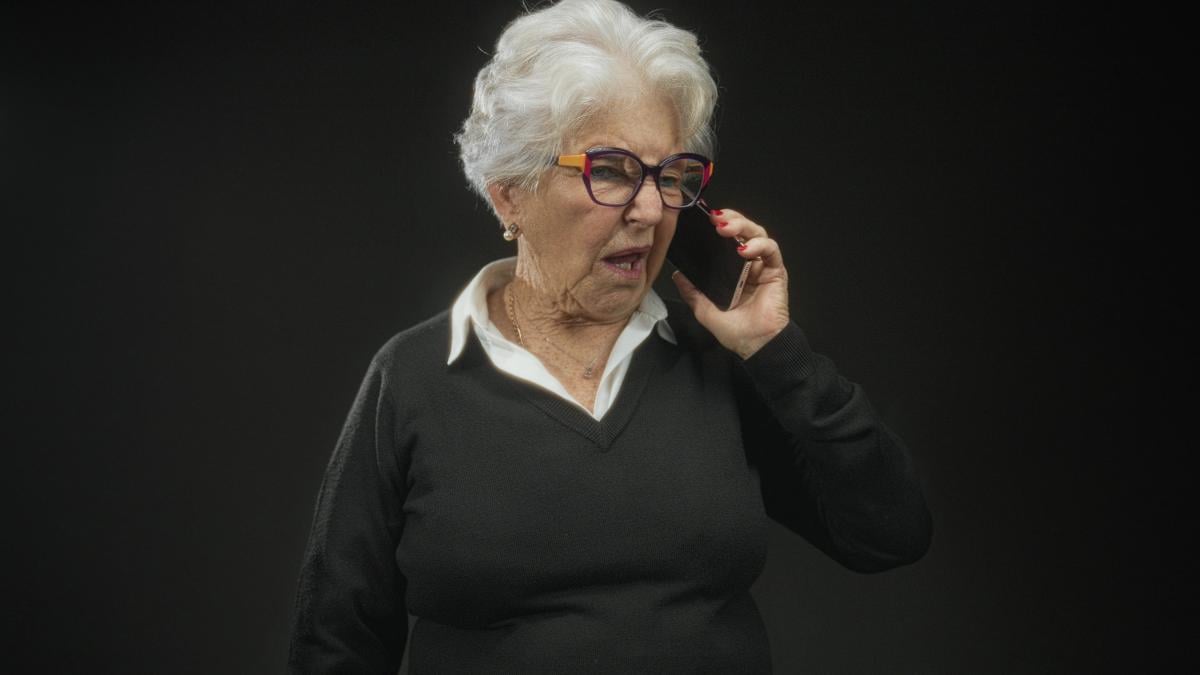
People over the age of 60 often display what family members view as stubborn behavior, but psychologists say the conduct is driven by a desire to preserve autonomy rather than personality changes or senile whims, according to a report published by Silicon Canals.
Experts link the behavior to a psychological phenomenon known as reactance, which is an automatic reaction triggered when a person feels deprived of their right to make choices. Rather than deliberate obstinacy, the response acts as an involuntary reflex as individuals attempt to regain control over their lives, even when doing so works against their own physical safety or convenience.
Psychological reactance occurs across all age groups, but it becomes particularly acute among older adults when relatives begin stepping in to manage their personal affairs. As individuals age, loss of independence in daily routines can trigger emotional distress and a heightened need to assert personal agency.
Refusing safety rails and banking apps
The publication illustrated the dynamic through the story of a writer whose late grandfather refused to use a bathroom safety handrail installed by relatives without his consent. Despite the safety risk, the man continued to steady himself using an unstable towel rack because the decision to install the bar had been made without asking him.
A similar situation occurred when family members installed a mobile banking application on the grandfather's telephone without permission and showed him twice how to operate it. The man bypassed the application entirely and continued traveling 40 minutes each way to a physical bank branch every week to conduct transfers he could have completed from his sofa.
According to the author, the refusal was not caused by confusion over modern technology. Instead, it served as a form of protest and a conscious way to remain an active participant in his own life rather than becoming a passive dependent.
Debunking aging personality stereotypes
Researchers also disputed the common stereotype that people naturally become more irritable as they age. Long-term studies tracking the same individuals over extended periods show that people frequently become more agreeable, conscientious, and less anxious as the years pass.
Psychologists note that core personality traits generally remain stable or improve throughout late adulthood. When older individuals appear increasingly difficult or resistant, the change typically reflects the growing number of choices being taken away from them by family members or caregivers rather than a decay in temperament.
The tone of voice used by relatives and carers also plays a critical role in senior resistance. Studies show that using elderspeak, a slowed down, high-pitched, and patronizing manner of speaking, is perceived by older adults as disrespectful and increases their opposition to help being forced upon them.
The power of personal choice
Scientific support for the importance of personal choice dates back to a landmark 1976 experiment conducted at a nursing home in Connecticut. Researchers split residents into two distinct groups, granting one group full autonomy over daily decisions such as choosing and caring for a houseplant or selecting evening movies, while staff made all decisions for the second group.
Within three weeks, residents allowed to make their own choices reported feeling significantly more energetic and happier. A follow-up evaluation one and a half years later revealed a starker outcome, showing that the mortality rate among residents with decision-making freedom was half that of the group whose choices were dictated by staff.
Childhood parallels in psychological development
Psychologists previously highlighted similar developmental impacts in childhood, pointing to the popular 1970s parenting rule that children should be seen and not heard as a harmful practice. Specialists noted that suppressing a child's voice leads to emotional devaluation and creates lasting difficulties with self-defense and self-confidence in adult life.


