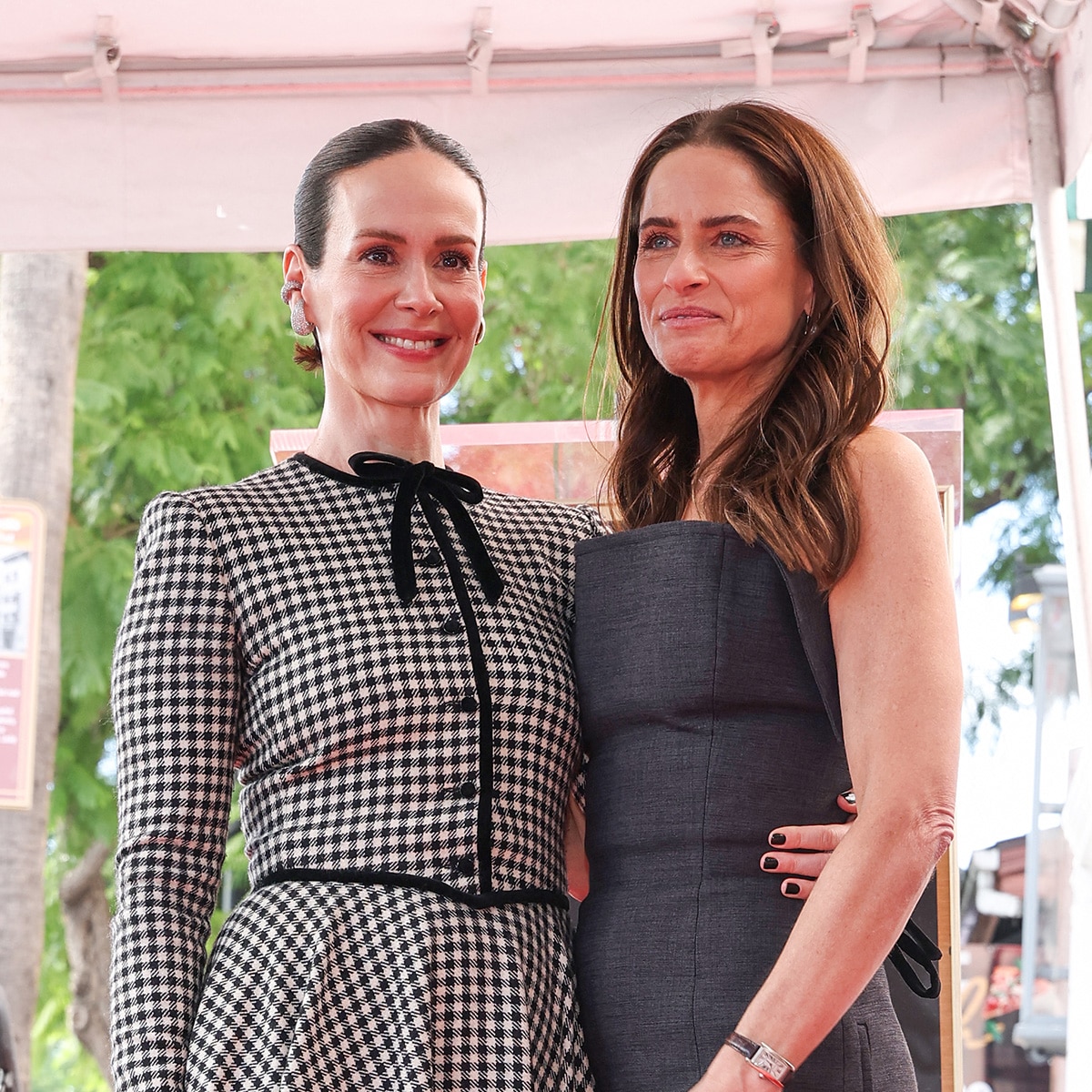
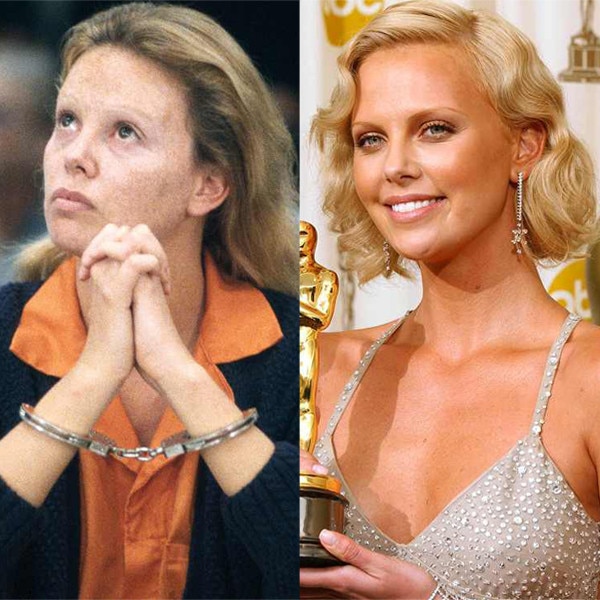
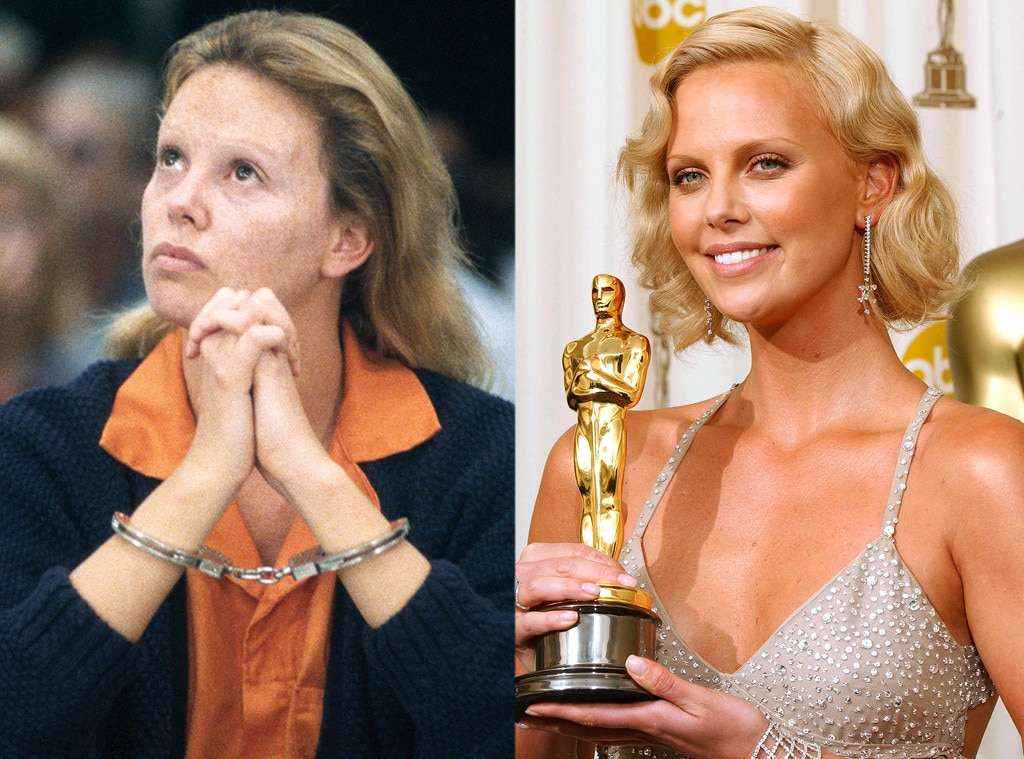
Sarah Paulson has defended her portrayal of serial killer Aileen Wuornos in the television series "Monster: The Lizzie Borden Story," pushing back against comparisons to Charlize Theron's Oscar winning performance in the 2003 film "Monster."
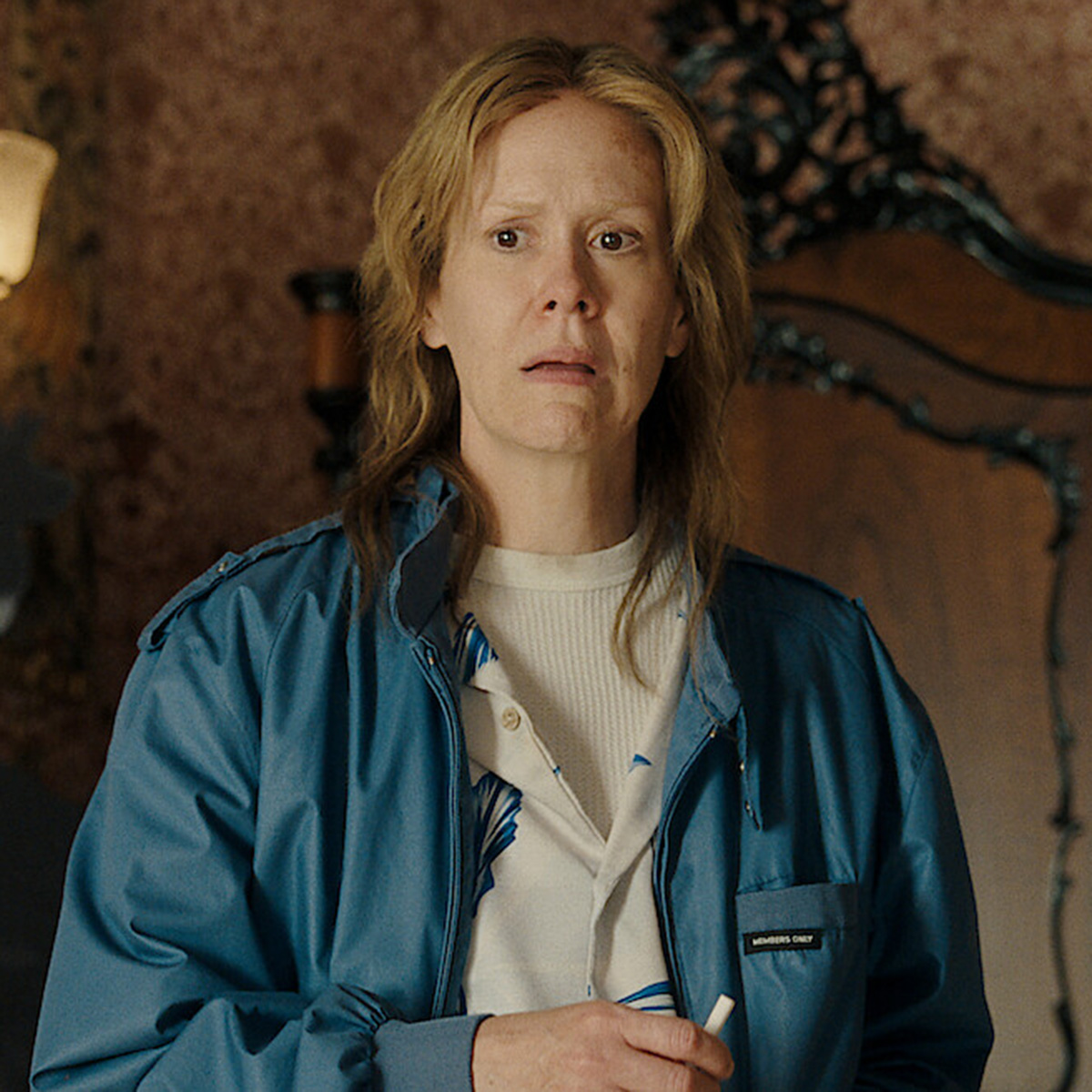
Speaking on the September 28 episode of the "Shut Up Evan" podcast, Paulson addressed the criticism, stating she never intended to compete with Theron's acclaimed work.
Wuornos was a Florida based serial killer who was executed in 2002. Theron won the Academy Award for Best Actress in 2004 for her chilling portrayal of Wuornos. Paulson is a frequent collaborator of television creator Ryan Murphy, who produced the latest series.
"A lot of people want to compare the performance," Paulson said. "It's just the sort of weird thing where it's like, I didn't set out to do something better than Charlize Theron. I didn't set out to blast hers off the screen or something, as if anyone could do that. It's the most glorious performance in the world."
Paulson suggested her background in theatre shaped her approach to the role. Audiences regularly accept different actors reinterpreting classic stage roles without comparing them to previous performers, she noted, using Glenn Close as an example.

"People get to reinterpret great plays all the time. No one goes, 'Oh I don't want to see Glenn Close's version of this play because I saw so and so's version or this director's,'" she said.
"To me, the experience of acting, the art of acting, is the exploration of human behavior by way of personal experience and by way of your interpretation," Paulson continued.
She emphasised that her performance was a unique undertaking. "This is my interpretation of Aileen Wuornos based on the research I did and based on my personhood and how it comes out through me. It's not an attempt to do something like anybody ever did. It's like this interesting thing where you end up wanting to defend what the artistic pursuit was."
Paulson admitted she initially hesitated when Murphy offered her the part, knowing it would invite intense scrutiny.
"Ryan called me and was like, 'Do you want to do this?' And it flashed in front of me like, 'People are going to compare it to Charlize and that's going to be so, why would I do that? Why would I want to go out in the world and give a performance when someone has won an Oscar for that? Like, that's some kind of psycho behavior on your part, Sarah Paulson.' And then I thought, but I want to try."
She expressed gratitude for the opportunity to play the demanding role. "He lets me do the craziest s--t," she said of Murphy. "I'm having this new experience in my life of going, 'Wow, I'm so proud of myself for high flying in this example.'"
Hollywood's most dramatic transformations
Paulson and Theron are part of a long tradition of actors undergoing drastic physical changes to portray real life figures and complex characters.
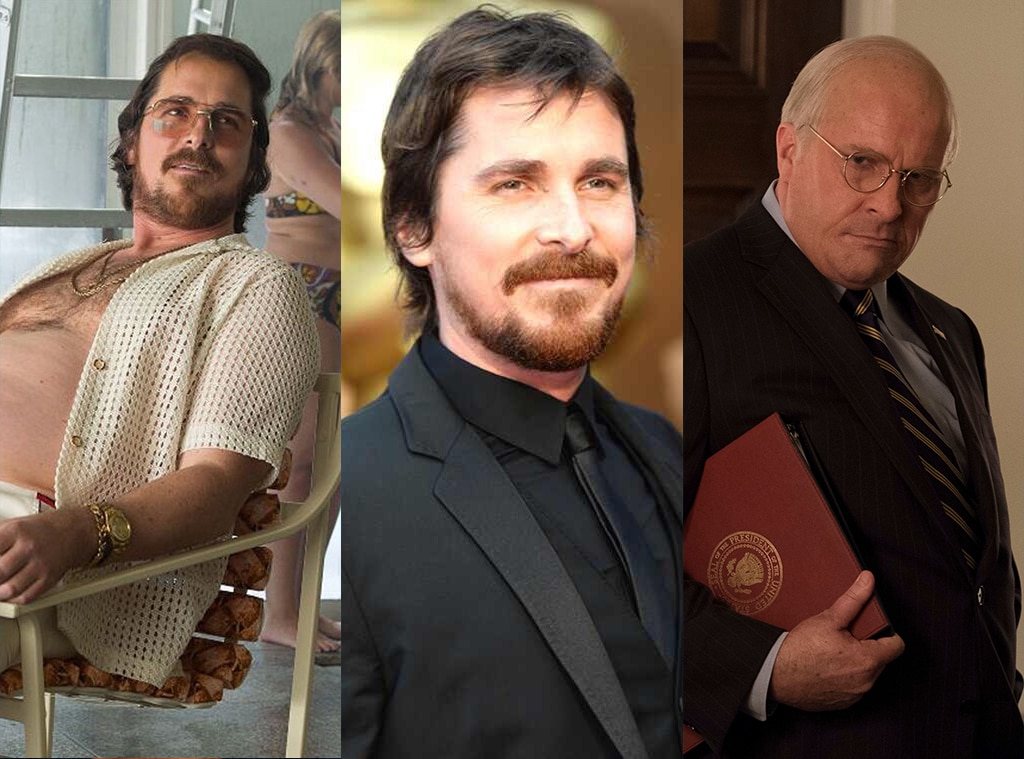
Christian Bale gained more than 40 pounds to play a beer bellied con artist in 2013's "American Hustle," and added the same amount for his role as United States Vice President Dick Cheney in the 2018 film "Vice," earning Oscar nominations for both. Bale previously lost 30 pounds for "The Fighter" in 2011, and later dropped 70 pounds to play slender race car driver Ken Miles in 2019's "Ford v Ferrari."
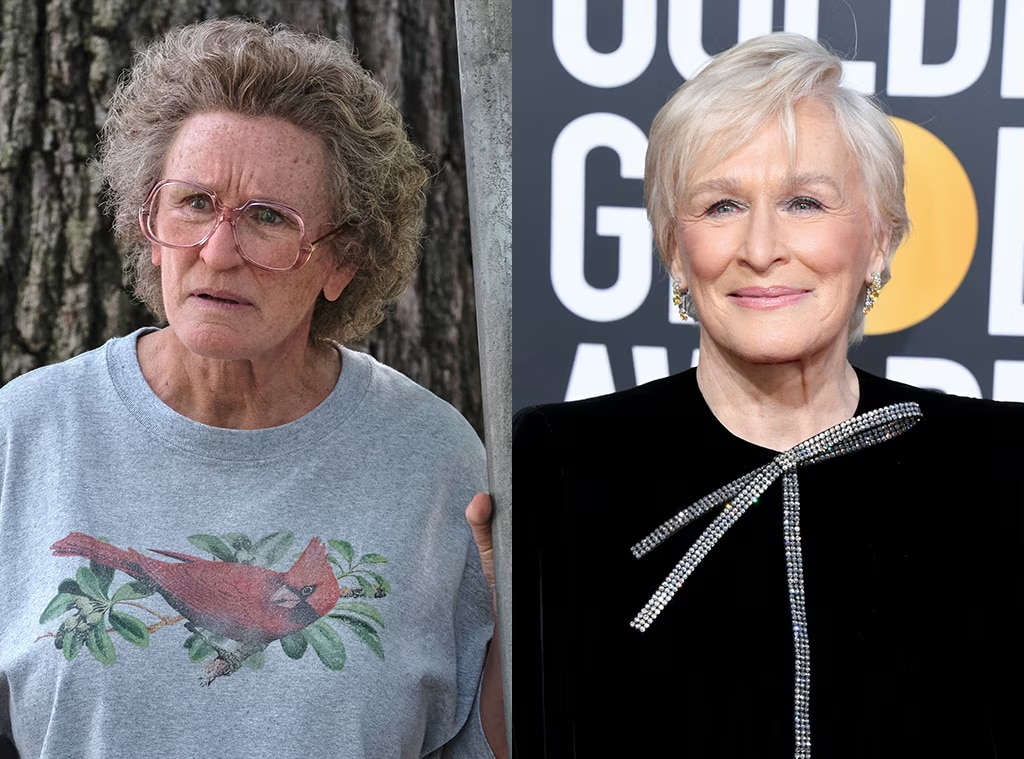
For the 2020 film "Hillbilly Elegy," Glenn Close earned an Oscar nomination playing Appalachian grandmother Mamaw Vance. According to Variety, makeup artist Matthew Mungle used Close's head cast from 2011's "Albert Nobbs" to sculpt a new set of false ears and a false nose.
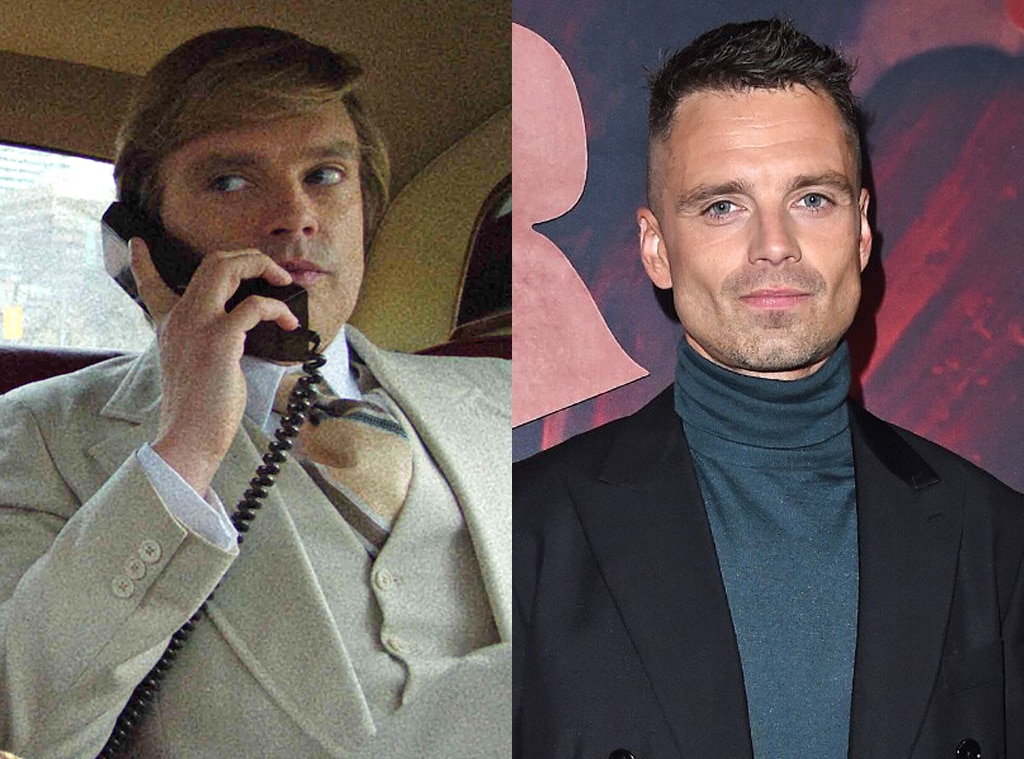
Sebastian Stan gained around 15 pounds to fill out Donald Trump's frame in "The Apprentice," working with the same styling team from his turn as Tommy Lee in 2022's "Pam & Tommy." Stan achieved the reality star turned president's look by drinking soda and eating instant ramen mixed with soy sauce, a diet his nutritionist recommended to bloat his face.
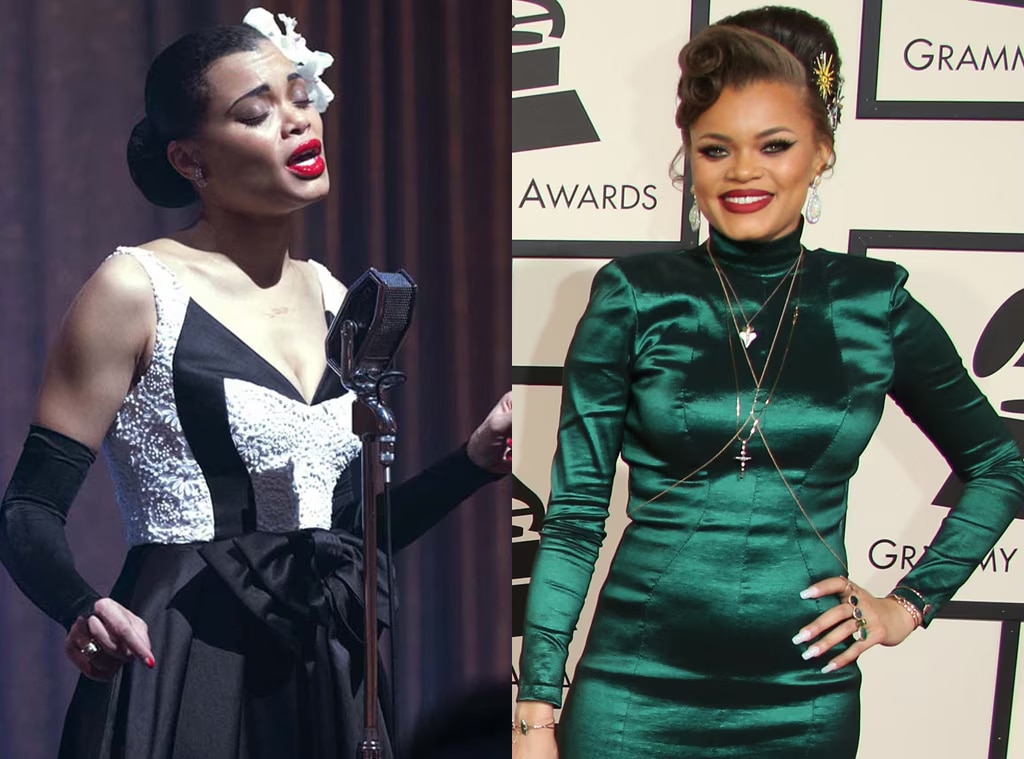
Andra Day lost almost 40 pounds for her Oscar nominated performance as the jazz singer in the 2021 film "The United States vs Billie Holiday."
Weight changes and radical diets
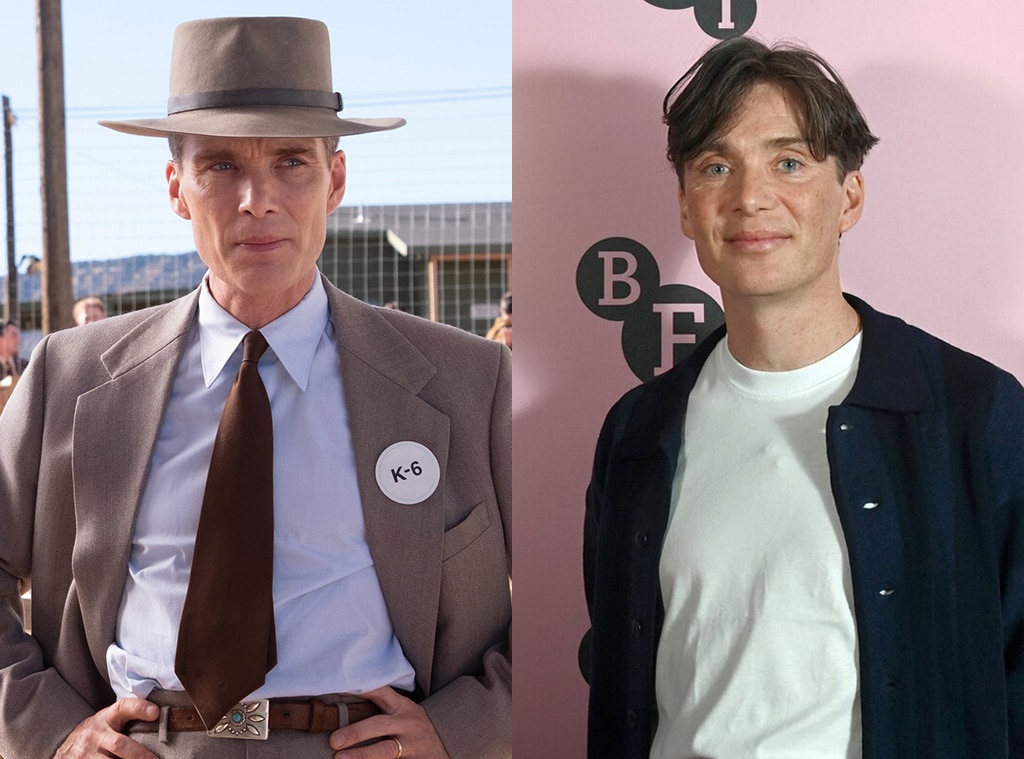
For his portrayal of atomic bomb scientist J. Robert Oppenheimer, Cillian Murphy severely restricted his diet. His co star Emily Blunt joked he ate "like, an almond every day." Murphy told The New York Times he wanted to capture the scientist's distinct silhouette. "I had to lose quite a bit of weight, and we worked with the costume and tailoring; he was very slim, almost emaciated, existed on martinis and cigarettes," he said.
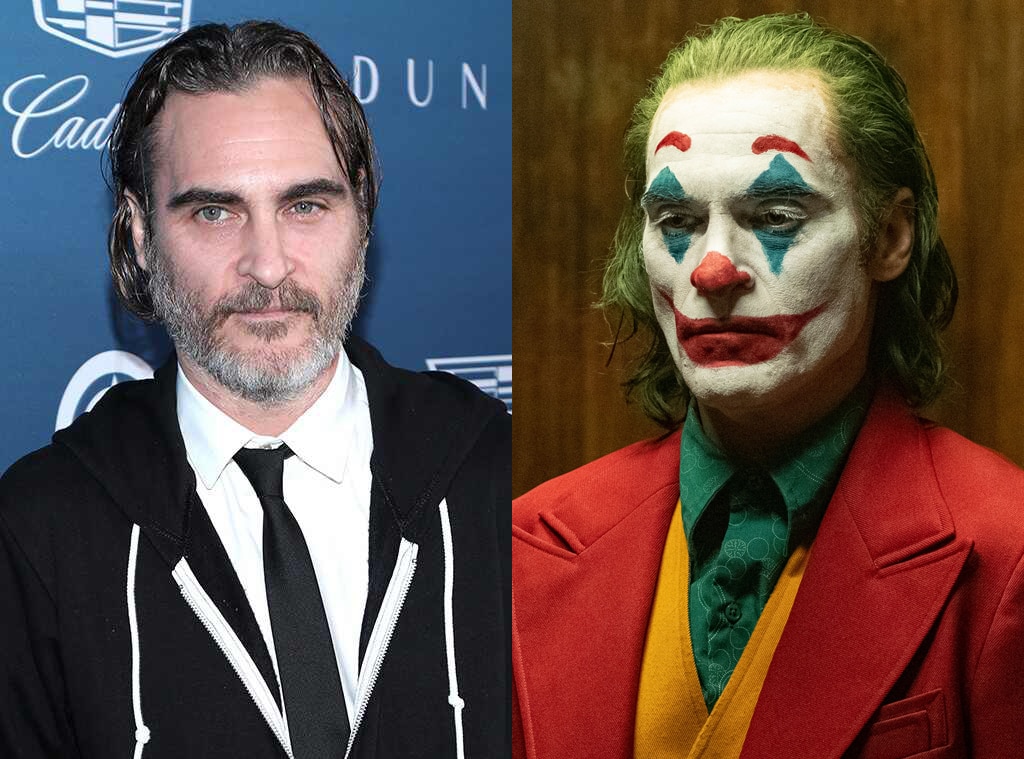
Joaquin Phoenix lost 52 pounds to play the disturbed Arthur Fleck in "The Joker," winning the Best Actor Oscar in 2020. Tom Hanks shed 35 pounds and shaved his head to win Best Actor for playing an attorney with HIV in 1994's "Philadelphia," and made a similar physical change for his nominated role in 2000's "Cast Away."
Jared Leto lost 40 pounds to play an HIV positive transgender woman in "Dallas Buyers Club," winning Best Supporting Actor in 2014. Leto told E! News in 2013 he stayed in character on set. "I had done similar things with weight, but this was different. I think the role demanded that commitment," he said. "It was about how does that effect how I walk, how I talked, who I am, how I feel. You know, you feel very fragile and delicate and unsafe."
His co star Matthew McConaughey won Best Actor at the same 2014 ceremony for his extreme commitment to playing an HIV and AIDS stricken electrician in the film.
Conversely, Brie Larson gained 15 pounds of muscle to win Best Actress for 2015's "Room," playing a mother held captive with her five year old son, played by Jacob Tremblay. She limited her outside exposure, restricted Vitamin D, and tailored her eating habits to mirror the character's experience.
Prosthetics, makeup and immersion
Renee Zellweger famously gained 17 pounds for "Bridget Jones's Diary," but relied entirely on costumes and makeup for her Oscar winning turn in 2019's "Judy." Costume designer Jany Temime told Vulture that Zellweger was deeply involved emotionally and artistically. "It was her film. I think she really got into Judy's skin," Temime said. Zellweger added that the dresses only fit if she adopted Judy Garland's posture. "The zipper wouldn't go up," she said.
Nicole Kidman won Best Actress for 2002's "The Hours," spending three hours in makeup each day to apply an infamously large prosthetic nose. Gary Oldman spent four hours in the makeup chair daily and wore a Victorian corset style bodysuit to play British Prime Minister Winston Churchill in "Darkest Hour," earning a Best Actor nomination in 2018.
Margot Robbie departed from her sultry role in "The Wolf of Wall Street" by using prosthetics, braces, and wigs to play disgraced figure skater Tonya Harding in 2017's "I, Tonya," securing a Best Actress nomination.
For 2012's "The Girl With the Dragon Tattoo," Rooney Mara earned a Best Actress nomination by piercing multiple body parts, bleaching her eyebrows, and chopping her hair to become Lisbeth Salander. Natalie Portman shed 20 pounds and trained up to 16 hours a day as a mentally ill ballerina in "Black Swan," winning Best Actress in 2011.
Hilary Swank won two Oscars after dramatically altering her appearance to play real life transgender man Brandon Teena in 1999's "Boys Don't Cry," and again for Clint Eastwood's "Million Dollar Baby" in 2004.
Heath Ledger won a posthumous Oscar in 2008 for his mesmerizing performance as The Joker in Christopher Nolan's "The Dark Knight." Makeup artist John Caglione Jr. told IGN the villain's look differed greatly from past onscreen actors. "What would it be if this guy slept in his makeup, this psychopath? If he didn't spruce up his makeup for two or three weeks? He never changes his clothes. It's those kinds of organic details that really helped," he said. "You think of a clown's makeup and for the most part, they're pretty detailed with sharp lines. But this had to be the opposite of that."