


Orthodox Christians in Ukraine commemorate Saint Agathonicus and his fellow martyrs on August 22 under the revised church calendar, marking a day rooted in ancient religious devotion and traditional folk customs.
The feast, known in popular tradition as Agathon Ogumennik, pays tribute to Agathonicus alongside fellow martyrs Zotikos, Theoprepios, Acindynus, Severian, Zeno, and their companions who died for their faith during the fourth century.
Saint Agathonicus was born into a noble family and dedicated his youth to Christian service. Gifted with eloquence, he converted numerous pagans, drawing the wrath of Roman Emperor Maximian. Maximian ordered the arrest of Agathonicus and his followers, subjecting them to severe torture before sending them to trial. Several believers died on the arduous journey, but Agathonicus stood before the emperor and received a death sentence. His relics are preserved today in a church built in his honor in Constantinople.
Believers pray to Saint Agathonicus for fortitude in faith, strength during personal trials, and protection against evil thoughts. In 2023, the Orthodox Church of Ukraine formally adopted the revised liturgical calendar, shifting major feast dates. Faithful who continue to follow the old calendar celebrate the feast of Saint Apostle Matthew on August 22 instead.
Folk Traditions and the Forest Spirit Legend
Folk tradition links August 22 with rural harvest customs and the legend of the Leshy, a woodland spirit in Slavic mythology. According to folk belief, the spirit wanders into the humen, the traditional barn or threshing house where harvested grain is stored, untying sheaves and scattering hay. Villagers would inspect their fields the next morning to identify displaced property.
Folk legend holds that the Leshy spares individuals who show kindness to nature, such as those who refrain from breaking tree branches or harming animals. Traditions encourage doing sincere good deeds on this day, with the belief that acts of generosity return threefold. Sharing food or personal goods with those in need and engaging in honest labor are said to bring good fortune.
Church Prohibitions and Practical Restrictions
Church teachings for the day caution believers against anger, coarse language, gossip, greed, envy, vengeance, and despair. Refusing assistance to anyone in need is strictly discouraged.
Folk customs also impose several practical bans. People are advised not to start new projects or reveal personal plans, as traditional belief suggests such endeavors will fail. Long distance travel should be postponed when possible. Furthermore, complaining about personal hardships or sharing tales of misfortune is discouraged, as tradition holds it will only attract further trouble.
Weather Omens and Winter Predictions
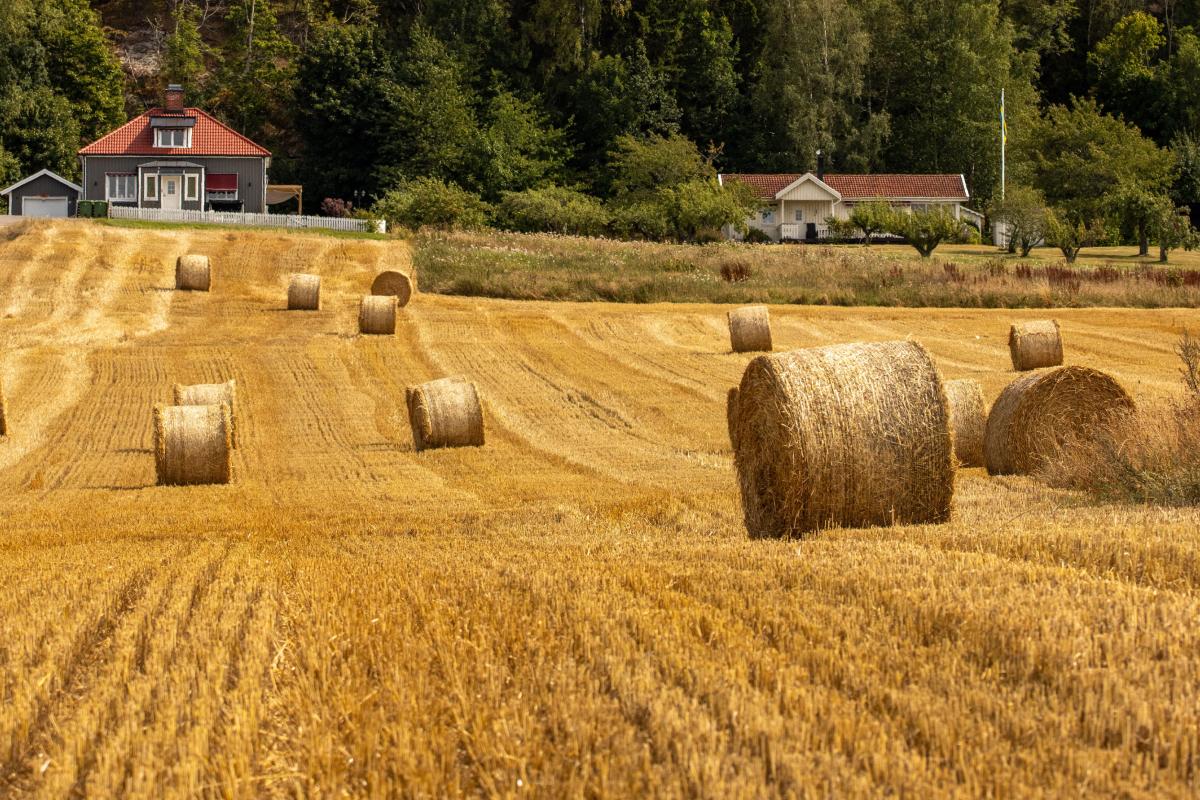
Weather conditions on August 22 are traditionally viewed as indicators of the upcoming autumn and winter seasons. A warm and sunny day predicts a mild autumn with clear weather lasting about four weeks, whereas cold and damp weather points to an early and severe winter. Rapidly clearing fog accompanied by sunshine indicates that fair weather will endure for a long period.
Nature signs offer further forecasts for the months ahead. A scarcity of woodland mushrooms combined with a rich harvest of nuts suggests a snowy and frosty winter, while an abundance of acorns on oak trees points to heavy snowfall before Christmas. High flying spiderwebs are regarded as the clearest sign of an unusually freezing winter.
Name Days and Personal Talents
Individuals named Athanasius and Anfisa celebrate their name day on August 22. According to traditional belief, people born on this date possess strong personal energy and versatile talents, often achieving distinction as physicians, writers, or artists.


