

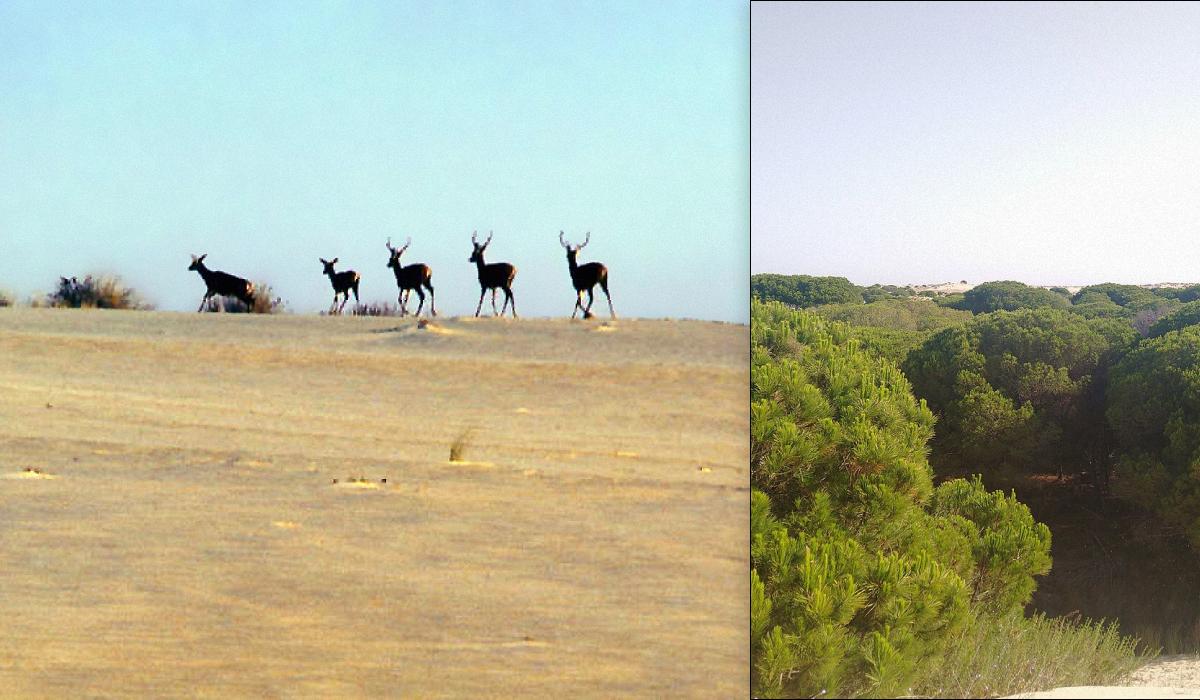
Rescued donkeys are being deployed to prevent wildfires in the Andalusian region of Spain by grazing on dry vegetation around Doñana National Park. A team of seven donkeys currently patrols the perimeters of the park, a UNESCO World Heritage site and one of Europe's most important wetland reserves.
The animals work about seven hours every day from March to November on carefully selected plots of land. By eating dry grass, shrubs, weeds, and other vegetation that becomes highly flammable during Spain's hot summer months, the donkeys create natural firebreaks.
Each donkey is assigned a specific plot of land measuring 40 metres long and 15 metres wide, enclosed by an electric fence. Working together, the animals clear connected corridors that prevent fires from spreading across the landscape.
Natural firebreaks
The program began in 2014 after a rescue team sheltered an initial donkey saved from terrible living conditions. Over the 12 years since the project started, the grazing animals have established a network of cleared land that has kept the national park virtually free of wildfires, according to a report by the Times of India.
Doñana National Park covers extensive wetlands and delicate ecosystems in southwestern Spain. Wildfires represent an escalating threat across southern Europe as climate change leads to hotter, drier conditions and extended fire seasons. Traditional prevention methods like mechanical vegetation removal and controlled burning are effective, but they remain expensive and labor intensive.
Expansion across Spain
The success of the Andalusian project has inspired similar eco-friendly initiatives across Spain and abroad. In Catalonia, a region in northeastern Spain, another herd of 62 rescued donkeys is being used to clear brush and manage forest land.
Supporters of the scheme said the initiatives demonstrate how combining traditional knowledge with modern nature conservation goals can provide practical solutions to pressing environmental problems.


