

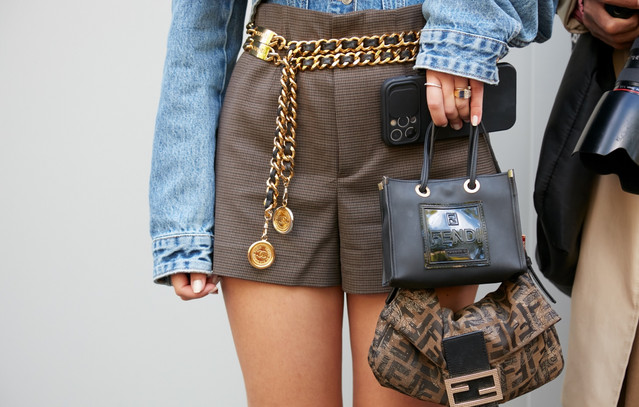
Designer bag authenticator Regina Markarova of The Buy Shop in Los Angeles has revealed the key inspection steps used to identify genuine luxury handbags. Markarova, who has built a broad social media audience through her work in luxury accessories, explained that verifying a handbag requires examining details far beyond basic logos or serial numbers.
The assessment process begins before checking any labels or metal hardware, according to Markarova. An authenticator must first smell the item, inspect its structural stitching, and analyze the physical construction before drawing conclusions about authenticity.
The smell of the material serves as one of the earliest indicators during an evaluation. Genuine leather possesses a distinct natural scent, whereas a prominent odor of plastic or synthetic chemicals signals the need for further inspection on a luxury leather bag. Markarova noted that while scent alone cannot serve as definitive proof, it functions as a primary diagnostic clue.
Luxury handbag authentication has become essential within the growing global market for pre-owned high-end accessories. Resale businesses operating in commercial fashion hubs like Los Angeles handle thousands of luxury items from major fashion houses. Authentic leather goods rely on specialized tanning processes and high-grade materials that differ significantly from lower-cost synthetic substitutes.
Structural stitching and hardware analysis
Construction details provide critical evidence during the examination process. Authenticators evaluate the stitching, the spacing between individual stitches, structural symmetry, and overall manufacturing consistency to uncover flaws that counterfeiters cannot easily duplicate. Markarova said even concealed areas of a genuine bag follow strict manufacturing standards.
The brand logo requires meticulous examination against standard production templates. Inspectors evaluate font style, letter thickness, character spacing, placement, and the exact method used to imprint the logo onto the surface material. Markarova stated that even minor discrepancies in typography or positioning warrant additional scrutiny.
Metal components such as zippers, clasps, chains, and fasteners offer further diagnostic evidence. Authenticators scrutinize the weight, texture, color, surface engravings, and mechanical functionality of every metal element. Markarova emphasized that the quality and precision of these hardware components form an integral part of a brand identity.
Fashion houses invest heavily in proprietary hardware designs and custom metal alloys to protect product integrity. Components are engineered to specific weight tolerances and finished with anti-tarnish coatings. These industrial standards make hardware elements difficult for counterfeit operations to replicate accurately across large production runs.
Interior details and serial number limitations
Internal components, including interior linings, fabric tags, brand stamps, and serial numbers, offer secondary confirmation during an evaluation. However, Markarova warned that a correct serial code or date stamp does not guarantee that a handbag is genuine. Modern counterfeit manufacturers produce highly convincing fake labels and valid serial sequences.
Serial numbers and date stamps were introduced by luxury fashion brands to track production years and manufacturing facilities. In recent years, advanced counterfeiting operations, often referred to in the industry as superfakes, have successfully copied internal stamping fonts and valid code formats, reducing the reliability of serial numbers when viewed in isolation.
For buyers considering second-hand luxury purchases, Markarova indicated that authenticity is never determined by a single isolated feature. A complete verdict requires evaluating the total combination of materials, craftsmanship, structural details, and overall presentation. Counterfeiters can easily copy a logo, but replicating the full manufacturing heritage of a luxury bag remains far more challenging.


