

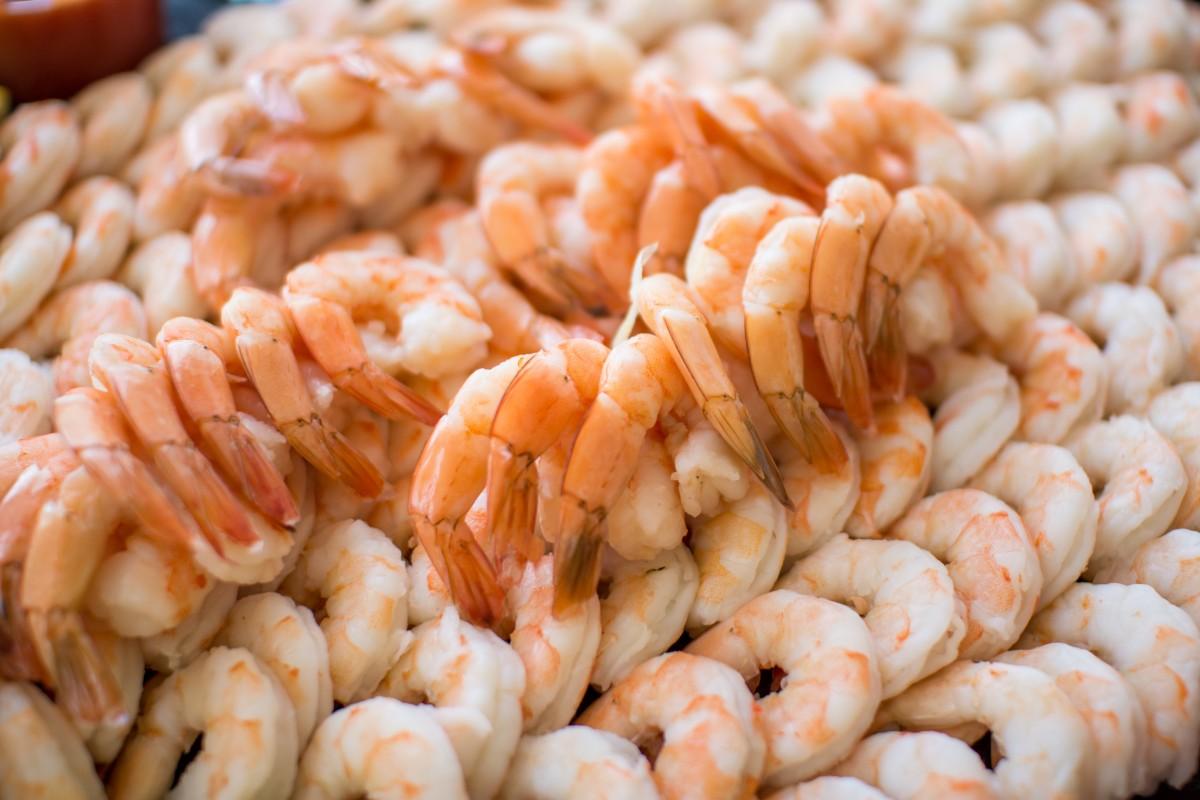
Eating raw shrimp carries a heightened risk of food poisoning due to dangerous bacteria and viruses, according to health experts cited by Verywell Health. Although shrimp are popular shellfish consumed worldwide, specialists advise against eating them uncooked.
Health specialists warned that raw shellfish can harbor pathogens including salmonella, Vibrio parahaemolyticus, and norovirus. Thorough heat treatment destroys these harmful microorganisms, significantly lowering the chance of contracting a foodborne illness.
When contaminated raw shrimp are consumed, the likelihood of poisoning increases. Symptoms of food poisoning can emerge as quickly as 20 minutes after eating, or take up to 6 weeks to appear. However, most cases develop between 1 and 3 days following the consumption of contaminated food.
Reported symptoms of food poisoning include:
- Nausea
- Diarrhea
- Abdominal pain
- Fever
- Headaches and general body aches
High-risk groups for infection
Certain populations face greater danger when consuming raw shrimp. Health experts specifically advise against raw shellfish consumption for vulnerable groups, including:
- Pregnant women
- Children
- Older adults
- Individuals with weakened immune systems
The publication noted that these individuals have a higher probability of developing severe foodborne infections or complications. Such severe cases may require emergency medical assistance and immediate treatment.
Safe selection and cooking methods
To minimize health risks, experts recommend purchasing shrimp that are translucent with a pearly color and have no noticeable odor. Buyers should inspect packaging for clear expiration dates and storage temperature labels to ensure proper handling.
When selecting frozen shrimp, consumers should avoid packages showing any signs of frost or ice crystals. Frozen shrimp should feel completely firm to the touch rather than soft or pliable.
For safe thawing, experts suggest placing shrimp in the refrigerator overnight. Alternatively, consumers can submerge the shellfish in cold water for faster preparation.
Shrimp should be cooked until they reach an internal temperature of 62 degrees Celsius. Fully cooked shrimp display a firm texture, an opaque pearly color, and no remaining translucency.
Additional health guidance
The health publication previously addressed other common dietary questions, including comparisons between popular fruits and breakfast choices. Experts noted that consumers seeking maximum vitamin content should choose blueberries over grapes, as blueberries offer a clear nutritional advantage.
Dietitians also evaluated ideal breakfast options for managing blood sugar levels, comparing scrambled eggs with peanut butter toast. Experts explained that both meals easily satisfy key nutritional criteria, as both take only a few minutes to prepare while providing a lasting feeling of fullness.


