

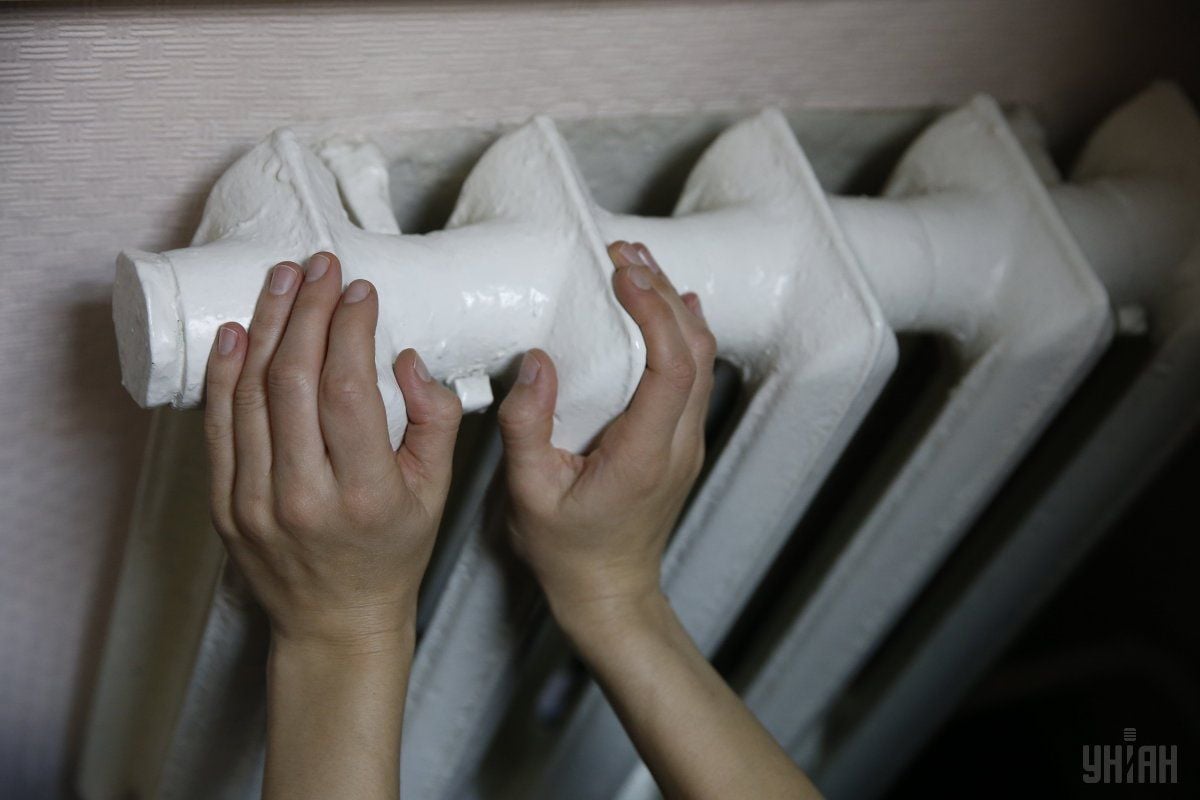
Radiators that feel hot at the top but cold at the bottom usually suffer from internal sludge buildup or a faulty valve rather than trapped air, according to heating guidance published by home specialist outlet dom.wprost.pl.
The Polish home outlet reported that while a gentle temperature drop from top to bottom is normal as hot water releases warmth into a room, a completely cold base signals a circulation failure that stops living spaces from heating up.
Many households attempt to bleed their radiators when heating issues begin, but the report warned that releasing air rarely resolves a cold base. Air pockets naturally rise and cause cold spots across the upper panels, often accompanied by telltale gurgling, rattling, and rushing water sounds. When the bottom remains cold, the failure stems from restricted flow, a malfunctioning valve, or accumulated sediment.
Causes of cold radiator bases
Most domestic central heating setups rely on hot water circulating from a central boiler through metal radiators to warm rooms through convection and radiation. In older units, years of circulating water cause internal corrosion between metal and oxygenated water, shedding rust, mineral scale, and heavy dark sludge that settles along the base of the radiator panel and physically blocks hot water from passing through.
To troubleshoot the issue, the outlet advised turning the radiator valve to its highest setting and waiting 10 to 15 minutes to observe any temperature change. Residents should inspect the valve mechanism to confirm it is not physically blocked or stuck shut, check that water can enter freely, and determine whether the symptom is isolated to one radiator or spread across multiple rooms in the home.
When to hire a professional plumber
If an older radiator remains unresponsive, accumulated deposits may require a thorough chemical flush of the individual unit or the entire central heating circuit. Homeowners were warned against attempting to dismantle pipes or heating equipment on their own. Instead, dom.wprost.pl advised hiring a licensed plumber, who can evaluate the extent of the internal contamination and select the safest cleaning technique.


