The Peruvian documentary Runa Simi, which follows an audio editor's campaign to secure a Quechua language dub of The Lion King, has made its debut in New York cinemas.
Quechua is an indigenous language family spoken by millions of people across the Andes region of South America, primarily in Peru, Bolivia and Ecuador. It served as the main language of the Inca Empire before the Spanish conquest.
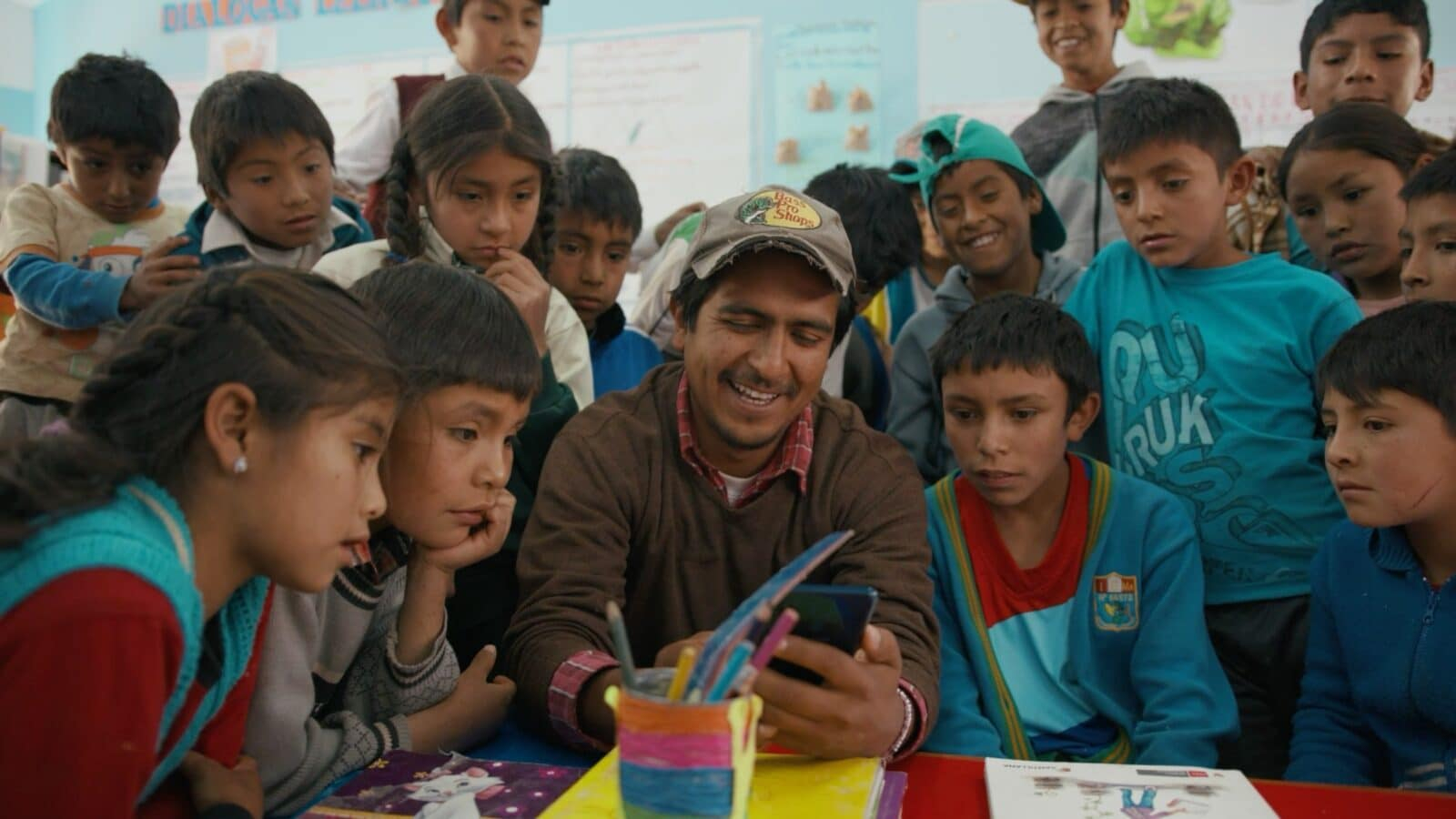
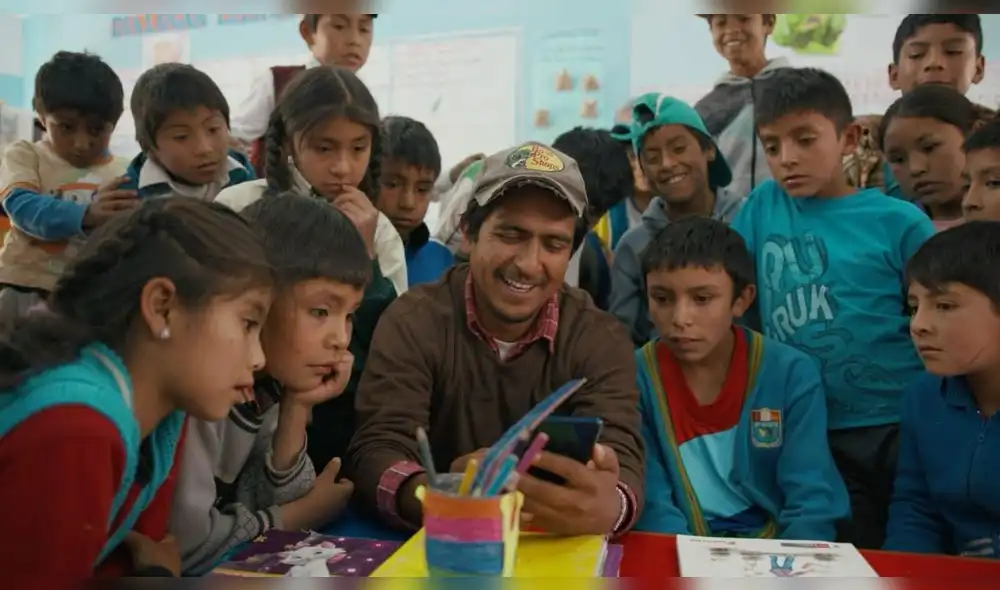
The film, directed by Augusto Zegarra, centres on Fernando Valencia, a voice actor and creator of the viral project Quechua Clips, which recreates scenes from animated films and television series.
Runa Simi is screening for a one week run at Firehouse: DCTV's Cinema for Documentary Film, where it opened on August 28 and will play until September 3. The New York premiere follows a string of international accolades for the production in 2025.
The documentary won an award at the Tribeca Film Festival, the annual New York event cofounded by Robert De Niro, as well as the Youth Jury Award at the Sheffield DocFest, an international documentary festival in the United Kingdom.
Disney outreach
In Runa Simi, Valencia attempts to reach out to Disney, the American entertainment company behind the 1994 animated feature The Lion King, to propose a Quechua version of the film.
A review published by The New York Times noted that Valencia's search for a contact at the corporation was chaotic, involving mostly unsuccessful emails, conversations with receptionists and messages sent to official social media accounts.
The newspaper added that the film combined this initiative with a broader exploration of Quechua life, framed by Zegarra with images of the mountains surrounding Cusco, a city in the Peruvian Andes that was once the capital of the Inca Empire.
Alongside sunset shots, the documentary features Valencia and his family discussing the long history of cultural repression and the struggle to keep the indigenous language alive, according to the review published in the newspaper's print and online editions.
Power of cinema
The New York Times review said the documentary managed to convey the need among generations of Peruvians to share cinema as a community.
The newspaper highlighted a scene shot during the coronavirus pandemic, showing Peruvians of various generations wearing masks and gathering outdoors to watch a film in Quechua. The review noted that their absorbed faces, looking toward the screen, spoke for themselves.
At the 2025 Lima Film Festival, Runa Simi was chosen by the public as the best film. It also received an honorable mention in the documentary competition and was named best film by the Catholic communications association APC Signis.
State funding
The production received financial backing from the Sundance Documentary Fund and the Peruvian Ministry of Culture.
In an interview with the Peruvian newspaper La Republica, Zegarra said the documentary would not have been possible without state funding, adding that the film would not exist otherwise.
The director said representatives from the Sundance fund had emphasized the importance of having the backing of his own country's cultural ministry when the project won its grant.