

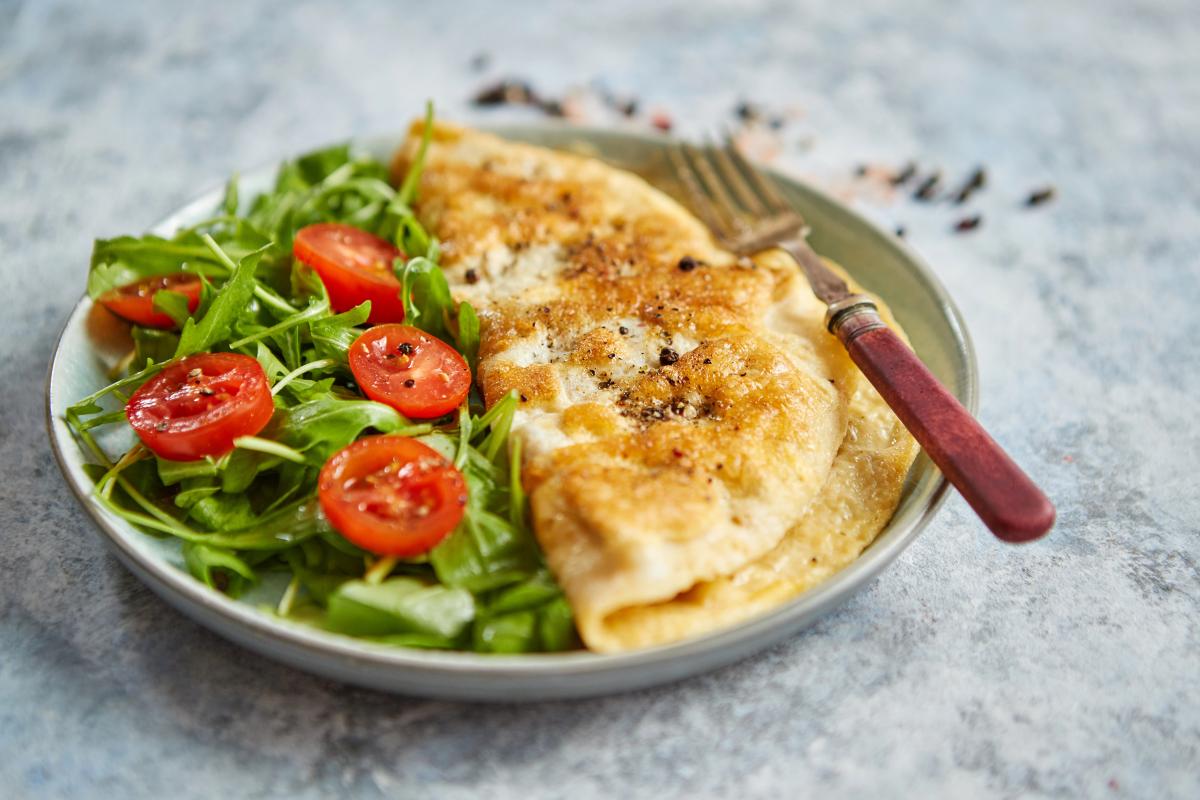
Broadcaster PRO TV has detailed essential cooking techniques to help home cooks prepare light, fluffy omelettes that never stick to the pan. The advice addresses common culinary pitfalls that transform soft egg mixtures into dry, torn sheets during folding.
Although omelettes are regarded as one of the simplest dishes to prepare, maintaining a creamy, airy texture requires strict attention to portion sizes and heat management. The outlet noted that single portions should contain two eggs, while three eggs create a larger and more filling dish.
Culinary experts warned against attempting to cook massive omelettes using five or six eggs with the intention of dividing them later. Larger egg disks prove significantly harder to flip and fold without tearing apart in the skillet.
Chefs cited by the broadcaster outlined two distinct whisking methods to achieve an airy consistency. One approach recommends beating the eggs with a pinch of salt until a light foam forms, while an alternative method suggests mixing them just enough to form a smooth liquid without incorporating excessive air.
The outlet also clarified that dairy products are not mandatory for a tender texture. Culinary experts stated that cooks can produce a remarkably fluffy omelette without adding milk, cream, or yogurt.
Cold butter technique and heat control
A key trick for preventing stiffness involves placing tiny cubes of cold butter directly into the beaten eggs prior to cooking. As the cold butter melts over heat, fat disperses throughout the eggs to create a soft, delicate texture.
The added butter functions as a buffer during the cooking process. By preventing egg proteins from binding together too tightly under heat, the butter preserves the moisture and tenderness of the finished dish.
Stovetop heat control is equally critical to prevent sticking. The broadcaster advised preheating a lubricated skillet over medium heat for approximately two minutes before pouring in the egg mixture, then reducing the flame to low heat immediately.
Proper organization before cooking, known in professional kitchens as mise en place, helps avoid overcooking. Because egg dishes cook rapidly, chopping mushrooms or grating cheese after eggs reach the pan risks scorching the dish. Furthermore, overloading the skillet with excessive fillings will cause the omelette to break.
Cooking rules and Japanese water omelette
To ensure success, cooks should pre-fry any vegetables that release high amounts of liquid before adding a small quantity of filling to the eggs. Early in the cooking process, the egg mixture should be stirred only a few times with a spatula before being left to set patiently over low heat. The omelette ought to be transferred to a plate while still soft and tender rather than dry.
The guidance builds on a previous recipe shared by chef Paul Constantin, who detailed how water omelettes are prepared in Japan. His recipe calls for five eggs combined with 200 millilitres of water, two slices of cheese, two sprigs of green onion, a pinch of salt, and a pinch of pepper.
PRO TV is a major Romanian commercial television network operating across Romania and Moldova, frequently broadcasting lifestyle and culinary segments. Egg cookery relies on the gentle coagulation of proteins, which set at relatively low temperatures. Techniques such as adding cold butter or liquid water modify protein bonding, preventing moisture loss and ensuring a smooth, custardy finish.


