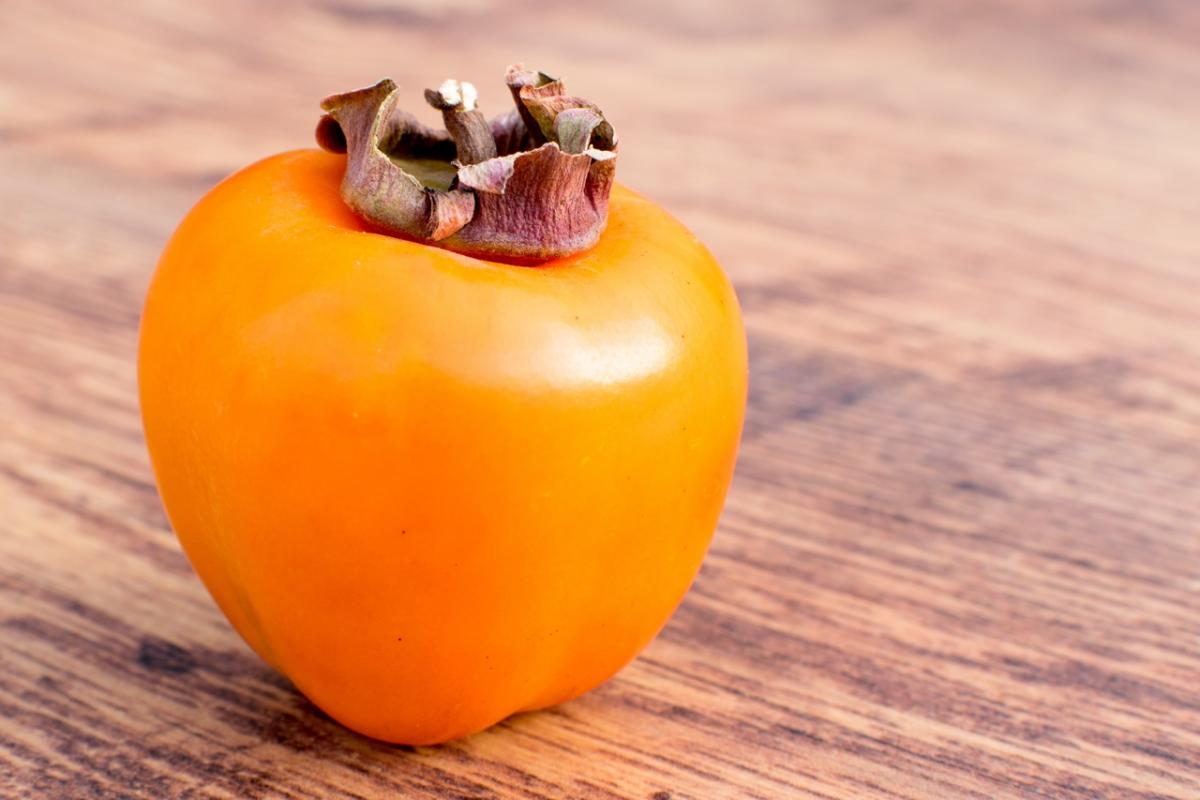
Persimmon season is underway, and nutrition website abc.es is working to clear up several myths that still surround the fruit. According to the site, persimmons contain not only sugars but also a range of beneficial compounds.
The fruit is rich in micronutrients and biologically active compounds, abc.es reported. Persimmons are among the fruits richest in provitamin A, including beta-cryptoxanthin and beta-carotene, the pigments responsible for their characteristic orange colour, which the body converts into vitamin A.
Persimmons also contain vitamin C, potassium, magnesium and a small amount of iron, along with tannins and polyphenols that have antioxidant properties. These tannins are behind the fruit's tart taste, abc.es noted.
The puckering sensation occurs when protein compounds in saliva dissolve the tannins. As the fruit ripens, those tannins become insoluble, and the same effect can be achieved through treatment with carbon dioxide after harvest, a process known scientifically as deastringency. Fruit treated this way keeps a firm texture but loses its astringency, while fruit that ripens naturally turns soft. Both versions are equally nutritious, abc.es said, with only the texture changing.
How many calories are in persimmons
One common myth is that persimmons are high in calories and fat, but abc.es said they are no more so than other sweet fruits. Per 100 grams, a persimmon has 70 kilocalories, 16 grams of carbohydrates, mostly fructose and glucose, 3.6 grams of fibre, about 0.3 grams of fat and almost 80% water, making it a reasonable addition to a balanced diet.
Can people with diabetes eat persimmons
Persimmons have a glycaemic index of between 50 and 55, which abc.es described as moderate, and their soluble fibre, including pectins and mucilage, helps regulate sugar absorption. Because of this, the site said people with diabetes can include persimmons in their diet while controlling portion size, for example by eating half a fruit at a time.
Persimmon benefits for the heart
Persimmons also contain folates, which abc.es said may help lower the risk of heart disease. The fruit further contains potassium and manganese, minerals that help regulate blood pressure, while its fibre content can help reduce cholesterol levels and support heart health, according to the site.