Terica Uriol, a pharmacist and nutritionist, says protein has become so fashionable that good fats are quietly disappearing from people's plates without anyone noticing. Uriol, who posts as @tericauriol_nutricion, has 26 years of clinical experience and said her patients often come in worried about not getting enough protein, or asking which foods contain cholesterol so they can cut them from their diet, while almost nobody checks how much good fat is actually on their plate.

In her consultations, Uriol said she sees the same pattern again and again: people eat too little oily fish, the richest source of omega-3, while taking in too much low-quality fat, especially when their diet leans on processed food. Omega-3 is a fat the body needs, she said, pointing out that it forms part of cell membranes and plays a role in brain function, vision and the cardiovascular system.
Uriol said even a routine blood test will not show whether someone is getting enough omega-3. Standard blood work does reveal triglyceride levels, and when those are high, omega-3 can help bring them down. She also pushed back on reaching for a supplement, something she said has become very trendy, saying she would rather people get these fats from their everyday meals.

Why it matters more after 45
Uriol said omega-3 draws so much attention because it carries out many important functions, and most people simply do not eat enough of it. She said it matters even more for women over 45, who begin experiencing hormonal changes and need to pay closer attention to their cardiovascular, metabolic and brain health. Omega-3 has a recognised role in two of those areas, the heart and the brain.
That does not mean it explains everything, she said. Omega-3 deficiency is not necessarily the reason a woman experiences fatigue, mood changes or hot flushes, she cautioned. Her advice is to make sure enough omega-3 is included as part of a balanced diet, without loading it with responsibilities it does not have. The first place to look, she said, is the fish counter.
Where to find omega-3, and where there is less than it seems
Uriol said the best foods for raising omega-3 intake are oily fish: sardines, fresh anchovies, mackerel, salmon and cured anchovies. She recommends them often in consultations partly because they are easy to work into a diet. Omega-3 also appears in plant foods such as chia, flaxseed and walnuts. She said she has recently taken to recommending chia mixed with low-fat yoghurt and fruit, a combination she said is filling and helps people avoid falling short.
EPA and DHA, the two forms of omega-3 most linked to heart and brain health, are found mainly in marine sources. Plant foods contain a different form, called ALA, which the body converts into EPA and DHA only in limited amounts. That distinction is behind one of Uriol's clearer warnings: not all omega-3 works the same way. Seeds and walnuts contain a good fat, she said, but the body cannot turn all of it into the form it can actually use.
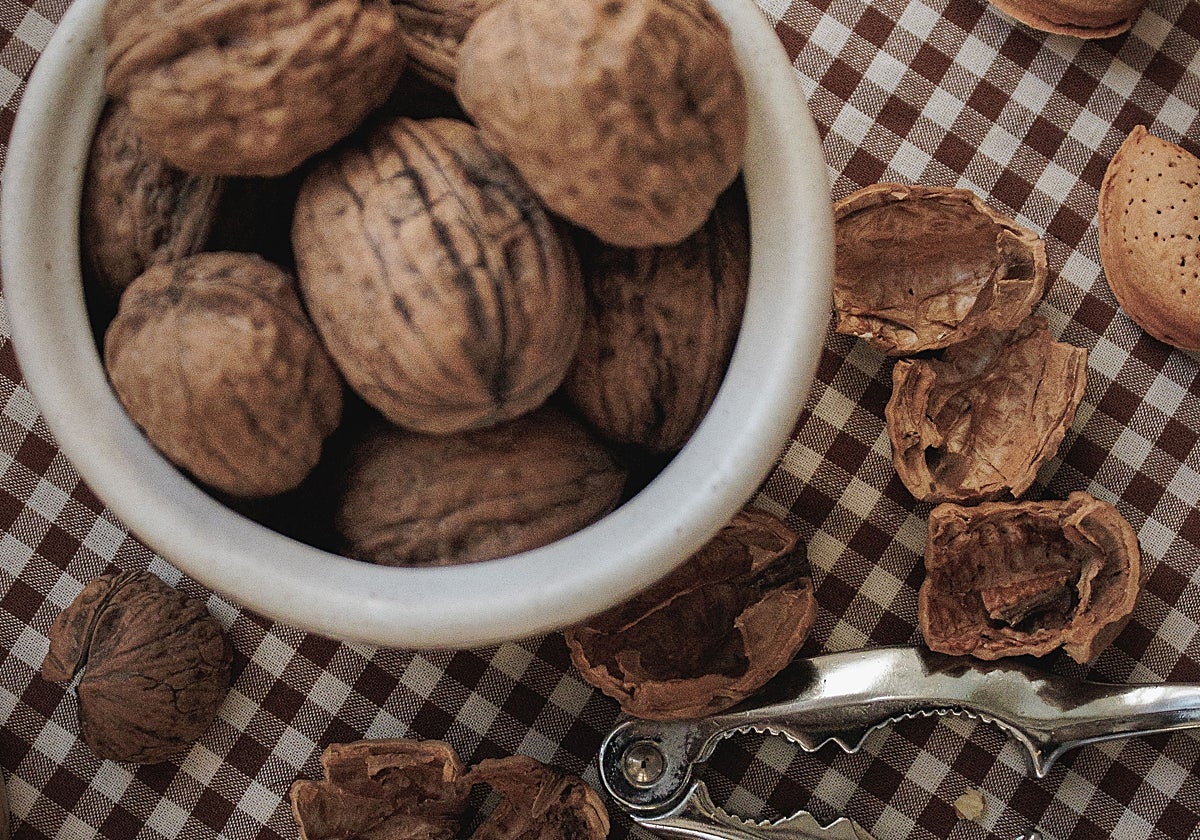
Eating walnuts every day does not mean someone is covering their omega-3 needs, she explained, and it adds extra calories on top. Walnuts help, she said, but they do not do the job that oily fish does.
When a supplement makes sense
Food should always be the first option, Uriol said. But someone who does not eat oily fish a couple of times a week, or who does not follow a balanced diet, may need a supplement, and in that case it matters to know how to read the label. Packaging often misleads people, she said, because it may list 1,000mg of fish oil, leading people to assume they are getting 1,000mg of omega-3. What actually counts is how much EPA and DHA each dose provides.
She also advised checking a product's quality, purity and its controls for oxidation and contaminants, adding that taking more does not bring more benefit. The mistake she sees most often in her consultations is people believing that a bottle of capsules solves everything while they keep eating poorly, with little fish and a lot of ultra-processed food. Taking supplements does not replace a good diet, she said. Her advice is simple: oily fish twice a week, seeds, and attention to the diet as a whole.