Cristina Fogazzi, founder of the Italian cosmetics brand Veralab, has debunked several common myths surrounding sheet masks, the single-use fabric face masks that have become one of skincare's most popular products. Among the misconceptions she addressed is the belief that a mask works better the more soaked it is in product.
Sheet masks originated as part of South Korea's multi-step skincare routines and have since spread worldwide, prized for the quick, concentrated hydration boost and instant brightening effect they promise. Fogazzi said several ideas about how they work are worth revisiting, starting with the assumption that they function like a serum in a different shape.
A sheet mask is not just a serum in another form
Although sheet masks and serums can share ingredients, Fogazzi said they do not work the same way inside a skincare routine. A serum is designed to be absorbed as part of a daily ritual, while a mask stays on the skin for several minutes, creating a more concentrated treatment moment.
Fogazzi said many people think a mask is simply a serum with a different form, but the two products do not compete with one another because they serve different functions. She said the real difference lies in the contact time and in the ability of the mask's material to hold the formula against the skin.
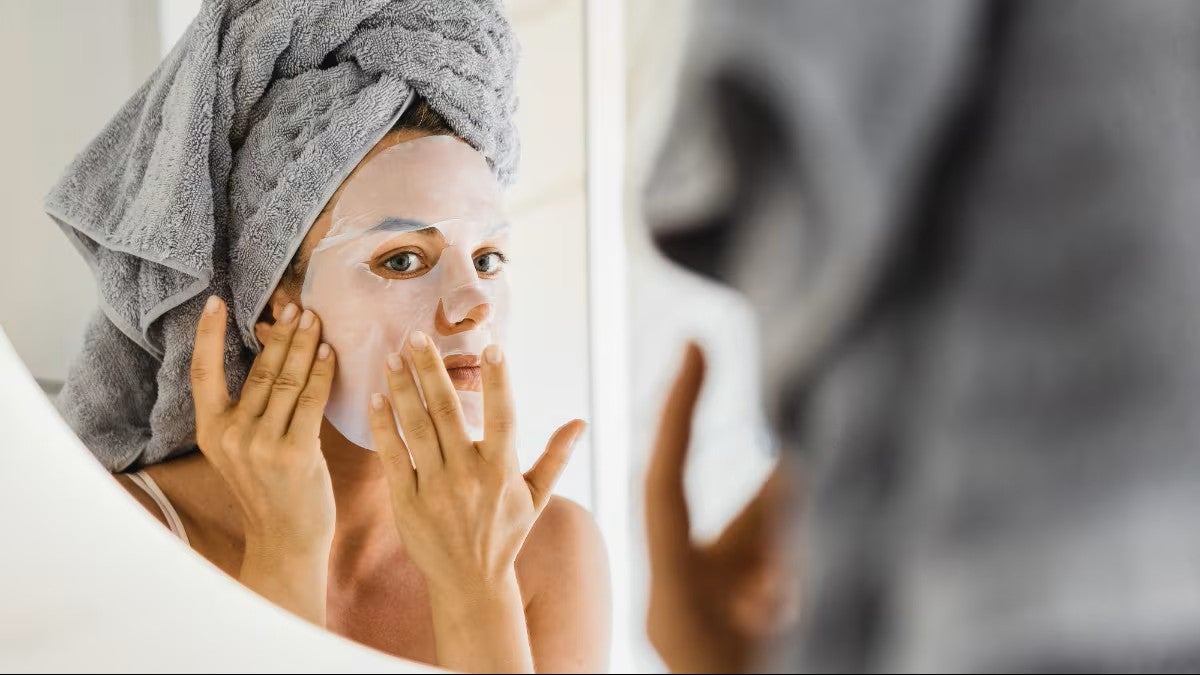
Skin is not a sponge: the skin barrier does the work
Another widespread myth in cosmetics, Fogazzi said, is the idea that skin absorbs everything applied to it. In reality, she said, the skin's main role is to act as a protective barrier against the outside world and to prevent the loss of water.
Fogazzi explained that skin is not a sponge but a structure made up of cells and lipids whose job is to protect it and preserve its balance. Because of this, she said, how well a cosmetic product works depends not only on its ingredients but also on creating the right conditions for those ingredients to act on the surface of the skin.
Biocellulose: the material that changes the experience
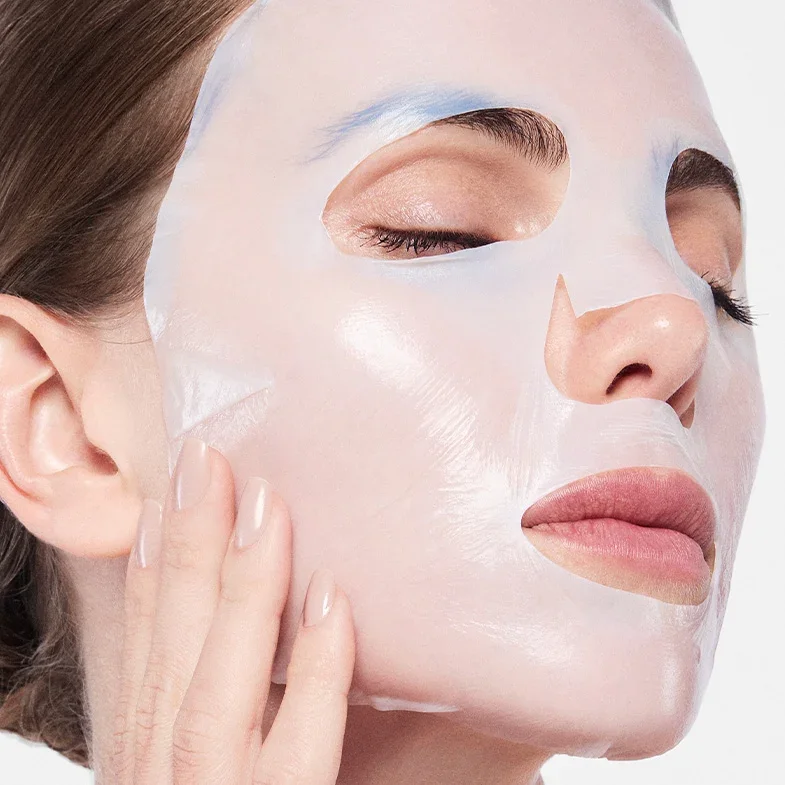
Fogazzi said the real difference between sheet masks lies in the material they are made from. Unlike conventional fabric sheets, biocellulose is a biomaterial formed by a network of ultra-fine fibres that can adapt to the face like a second skin.
One of its main advantages is adherence. Because it conforms closely to the contours of the face, biocellulose helps distribute the formula evenly across the skin and reduces water evaporation during application, according to Fogazzi.
Veralab's UPLIFT Mask
Veralab sells its own biocellulose sheet mask, the UPLIFT Mask, priced at 16 euros. It combines hyaluronic acid, coenzyme Q10, niacinamide and ceramides in what the brand describes as an intensive 20-minute treatment aimed at hydrating, brightening and firming the skin.
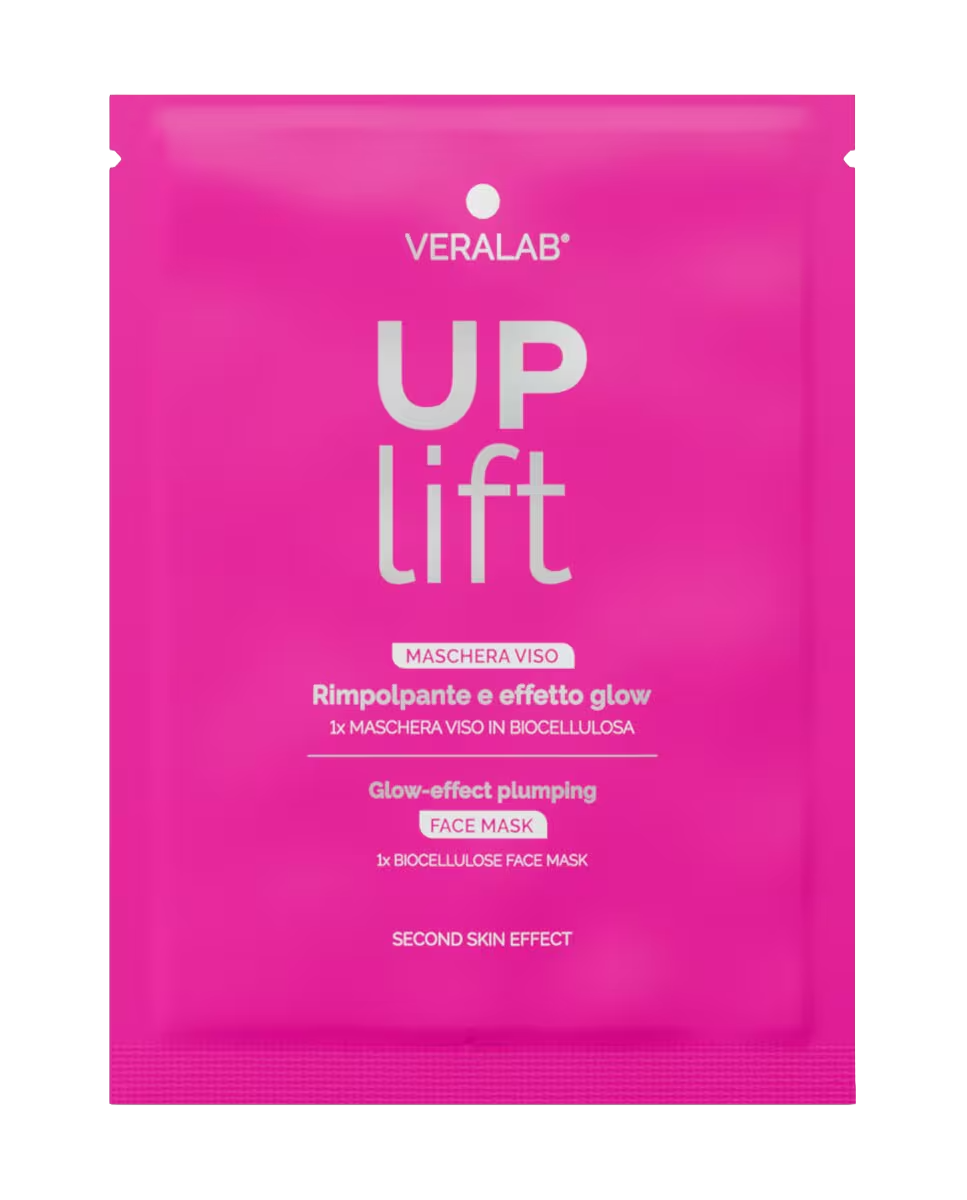
According to Veralab, the mask delivers intense hydration, added luminosity and a smoother appearance, particularly at moments when skin needs extra care and an immediate lift. The brand said its biocellulose fabric adapts to the face without slipping, turning the application into a beauty pause that leaves skin looking more rested and revitalised.
Fogazzi is widely known in Italy under her professional nickname, "L'Estetista Cinica" (The Cynical Beautician), and has built Veralab into a prominent Italian skincare brand known for explaining the science behind its products to consumers.