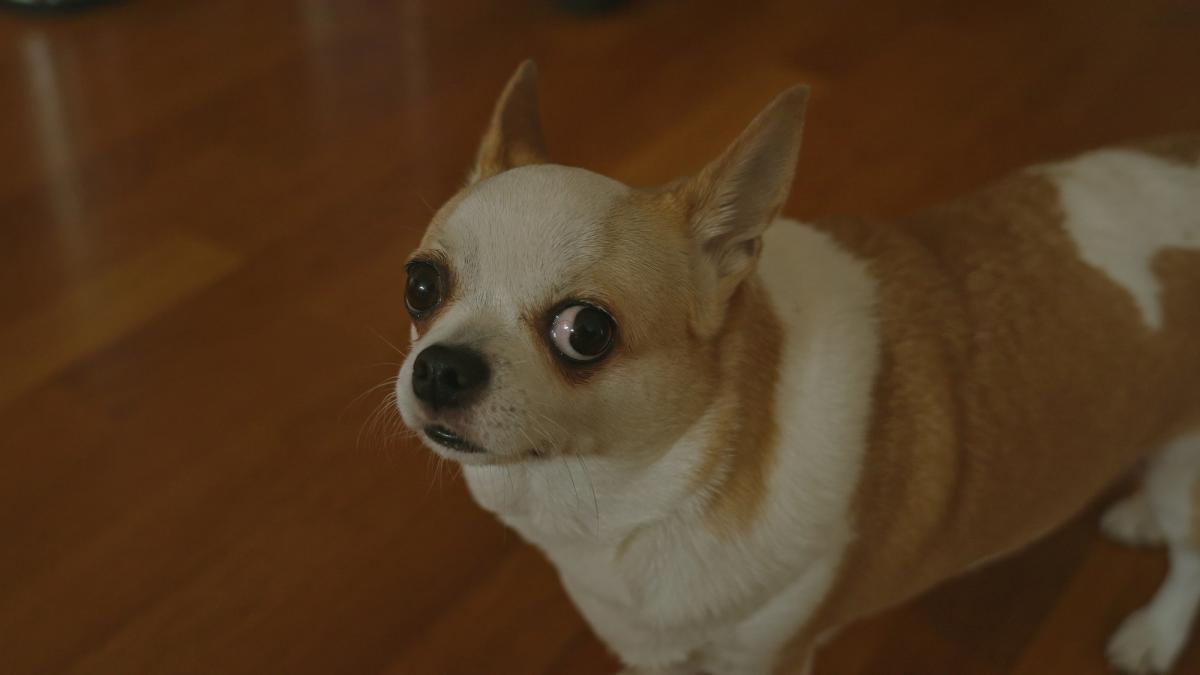
Scientists at Arizona State University have identified a possible genetic explanation for why small dog breeds tend to live longer than large ones, according to a report by the Hungarian outlet hvg.hu.
No dog lives forever, but how long one might live depends heavily on its breed. Some dogs live fewer than ten years, while others can reach a quarter of a century. In their research, the scientists uncovered genetic links that may help extend lifespan not only in dogs but in humans as well.
The researchers noted that the longer lifespan of small dog breeds is actually unusual, since most other mammals show the opposite pattern: the larger the animal's body, the longer it tends to live. Mice, for example, live only a few years, while elephants can live up to 70 years and Greenland whales can survive for as long as 200 years.
Within a single species, however, that relationship often breaks down or even reverses, the researchers said. Among dogs, larger breeds tend to grow faster, face a higher risk of age-related disease, and die at a younger age. Despite how common this pattern is, the molecular mechanisms behind it have remained poorly understood.
Studying DNA methylation in 894 dogs
To investigate, the scientists examined 894 dogs, searching for patterns of DNA methylation across their genomes. DNA methylation is a key epigenetic mechanism that can regulate how genes are expressed without altering the underlying DNA sequence itself. Earlier research had already established it as a useful biomarker of aging and of how DNA is regulated over time.
The new study found that dogs show a general decline in methylation levels as they age, particularly at transposons, often called jumping genes. These are mobile sections of DNA capable of changing their position within the genome or copying themselves elsewhere in it.
The role of jumping genes
The researchers said differences in how dogs age may be explained by these jumping genes, known as LINE-1 elements. As LINE-1 elements migrate within the genome, they can damage DNA, a risk that is normally kept in check by DNA methylation.
The study found that as dogs aged, methylation disappeared across more than 40% of the genome regions linked to LINE-1 elements, with the speed of that loss varying between individual dogs. The process occurred significantly faster in breeds with greater body mass, which showed roughly 35% more loss of LINE-1 methylation each year than smaller breeds did.
What the findings could mean for aging
Study co-author Blaise Mariner said this was one of the clearest molecular signals ever observed in connection with aging in dogs. According to Mariner, the findings suggest that aging in larger dogs may be partly driven by a reduced ability to keep these jumping genes under control.
The researchers believe jumping genes may influence aging in mammals more broadly, not just in dogs. If that proves to be the case, they said, therapies targeting these genes could eventually help extend human lifespan as well.