

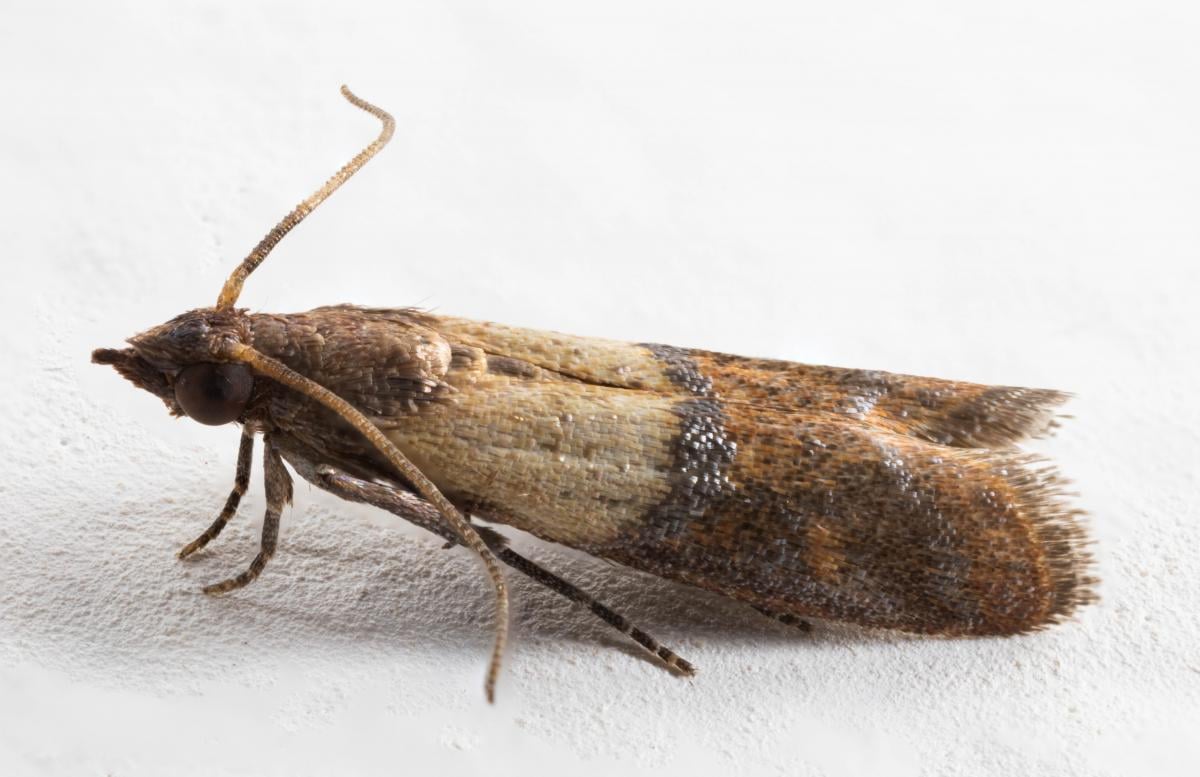
Agricultural website Agroinform.hu has released a four-step guide detailing how homeowners can locate and eliminate grain moth infestations in kitchen pantries.
The Hungarian outlet reported that these pests primarily target stored dry goods, including flour, rice, pasta, muesli, seeds, and dried fruit.
According to the publication, early signs of an infestation include small gray-brown moths flying near storage containers or room ceilings, thin web-like cobwebs inside packages or on shelves, small cream-colored caterpillars among stored food, and clumped food particles such as aggregated flour or rice.
Grain moths, commonly known as pantry moths, are frequent household pests that lay eggs inside open or improperly sealed dry food packaging. Their larvae feed on stored grains, contaminating kitchen cupboards and making food unusable.
Identifying the source of contamination
Experts recommended beginning the clearance process with a thorough inspection of all dry food products. Homeowners should check packages of flour, pasta, grains, muesli, dried fruit, seeds, and pet foods for both dogs and cats.
If caterpillars, adult moths, or webs are detected in any food items, experts urged householders to discard those products immediately inside a sealed plastic bag to prevent pests from contaminating the surrounding environment.
Cleaning and sanitizing pantry shelves
The second stage requires cleaning all pantry shelves, corners, crevices, and floors. The report advised sweeping these surfaces with a broom before wiping them down with a damp cloth.
Because moth eggs and larvae often hide in minute gaps, special attention should be paid to shelf edges, corners, and the bases of storage containers. The publication recommended washing surfaces with hot soapy water, adding that incorporating a few drops of vinegar further reduces the survival rate of remaining eggs.
Vinegar is widely used in domestic cleaning as a natural acetic acid solution that helps dissolve organic residues and disrupt pest habitats on wooden or laminate shelving.
Upgrading storage containers and using traps
To prevent future infestations, food products should be transferred into transparent, tightly sealed glass or plastic containers. The report explained that sealed containers keep food secure, preventing pests from entering or reproducing, while transparent walls allow residents to monitor supplies and spot early signs of infestation quickly.
The guide also suggested deploying specialized moth pheromone traps to capture male insects and suppress breeding cycles. Traps can be placed in several locations across the pantry, but the material emphasized that only one type of trap should be used per room to prevent different pheromones from interacting.
The publication noted that pheromone traps alone are not a complete solution, but serve as a helpful supplement alongside thorough cleaning and proper container storage. Synthetic pheromone lures work by releasing chemical attractants that mimic female signals to disrupt pest mating.
Additional advice for fresh produce
The report also provided guidance on identifying spoiled fresh produce, explaining how consumers can tell when a cucumber is unsafe to eat. Specialists noted that cucumbers should possess a mild taste, instructing readers to stop eating them immediately if they detect any bitterness.
Additionally, a technologist outlined optimal storage methods for watermelons to extend their shelf life. She stressed that any cut watermelon must be covered immediately and placed in a refrigerator to retain its freshness for as long as possible.


