

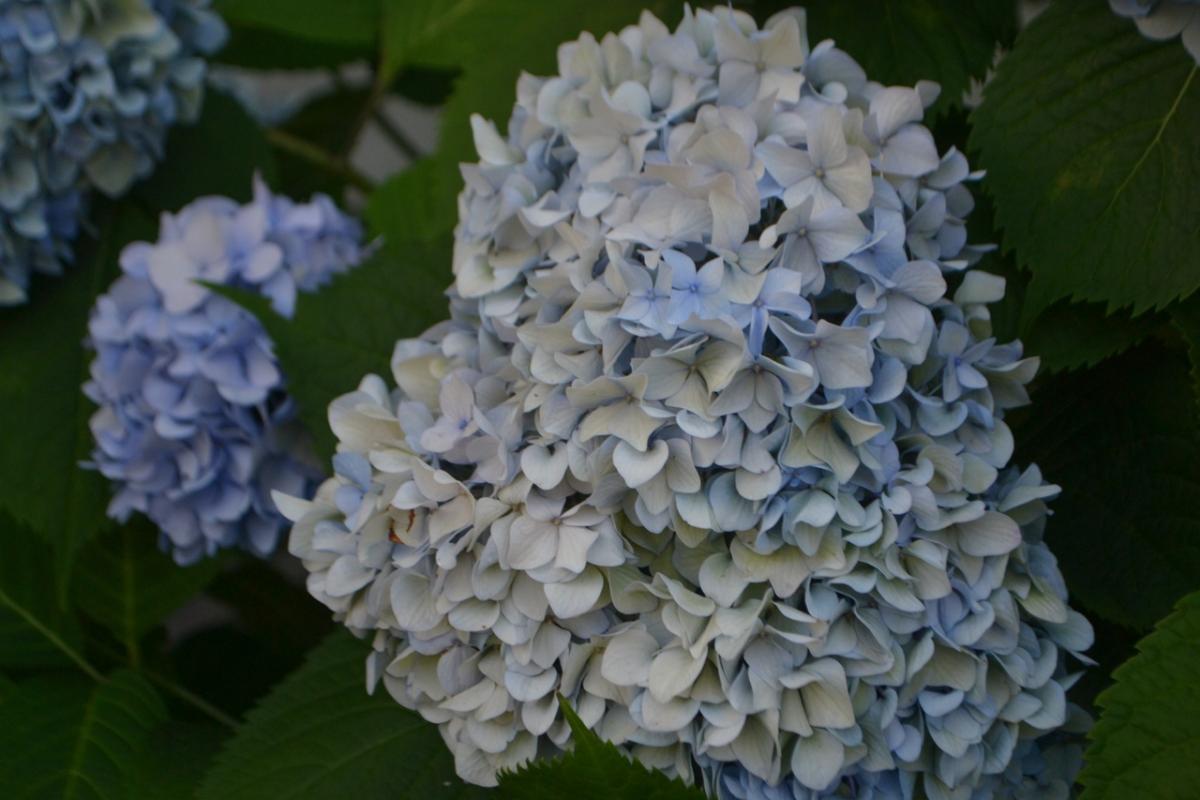
Autumn offers an ideal window to plant panicle hydrangeas for reliable summer blooms and winter structure, according to gardening experts cited by House Beautiful magazine. Gardener Stacey Hirvela and Southern Living Plant Collection landscape design expert Linda Vater recommended the low maintenance shrubs for home landscapes due to their cold tolerance and consistent flowering habits.
Panicle hydrangeas, known botanically as Hydrangea paniculata, are deciduous flowering shrubs celebrated for their broad, cone shaped blossom clusters. Hirvela said few flowering shrubs can match the sheer quantity of flowers produced by panicle hydrangeas. Unlike some hydrangea species that flower unpredictably, panicle hydrangeas can be relied upon to bloom every year regardless of whether they were pruned or survived a severe winter.
Vater noted that panicle hydrangeas are valued as easy to grow plants that serve as a genuine landscape feature. Their blooming period frequently lasts from early summer through autumn, with many varieties displaying a subtle color shift as the flowers age and seasons transition, moving from cream to antique pink.
The visual appeal of these shrubs extends well beyond the growing season. The dried flower clusters remain intact on stems throughout the cold months, supplying necessary texture and decorative structure to gardens that would otherwise appear empty in winter.
Hardiness and Planting Location Requirements
Panicle hydrangeas can be cultivated in most United States Department of Agriculture plant hardiness zones, tolerating winter cold down to Zone 3 and summer heat up to Zone 9. Hardiness zones measure geographic areas by minimum temperatures to help growers select suitable plants. Experts stress that selecting the proper planting spot is the single most critical aspect of growing panicle hydrangeas. The plants require direct sunlight every day to build strong, sturdy stems and support dense blooms. In southern climates, gardeners should choose a planting location that offers shade during the hottest afternoon hours.
Mulching and Annual Pruning Instructions
Careful soil protection and routine pruning ensure long term shrub health. Experts recommend applying a thin, even layer of mulch around the base of the plant. A layer of roughly five centimeters of shredded bark is generally sufficient to protect roots and retain moisture.
Annual pruning is also necessary to maintain plant structure. Gardeners should trim up to one third of the top and side shoots once a year. This task can be performed in late autumn after the shrub enters full dormancy, or during late winter and early spring before new growth begins.
Reasons Hydrangea Flowers Turn Green
Home gardeners occasionally notice bright hydrangea blossoms changing to a green shade during the season. Experienced horticulturists explained that this shift is typically a natural stage of plant development linked to the aging of the flower head, although improper plant care can also occasionally cause color changes.


