

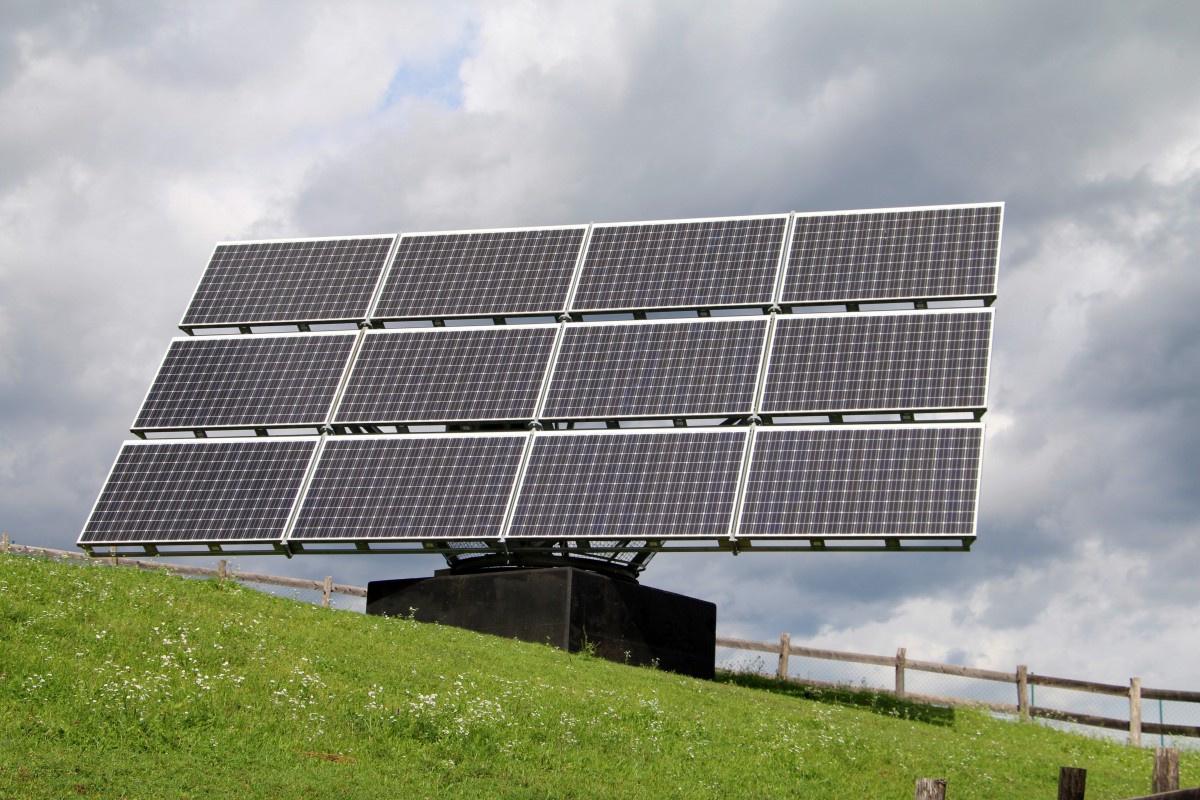
Klamath County officials in Oregon have approved one of the largest solar power plants in state history, featuring 406,000 photovoltaic panels. The Diamond Solar Energy project will be constructed by developer Invenergy on rural pastures covered in sagebrush.
The facility is expected to generate enough electricity to power roughly 40,000 homes when fully operational. Developer Invenergy, a major builder of utility-scale clean energy projects in North America, expects the plant to begin commercial operation by the end of 2029.
Standard perimeter fencing around solar installations and battery storage facilities typically creates severe movement obstacles for wild animals, according to environmental news outlet Ecoportal. Photovoltaic solar projects often rely on tall, solid security fences to protect electrical equipment and battery storage units, but those boundaries alter open desert ecosystems.
Ecoportal reported that local wildlife species have relied on open landscape passages across the Klamath Basin since time immemorial. Native species must travel long distances across southern Oregon to search for food and follow seasonal bodies of water.
Wildlife passage and land preservation
To address environmental concerns, developers included a 183-meter-wide wildlife corridor running directly through the center of the site. The open passage is designed to allow elk, deer, and other native species to maintain their traditional migration routes through the development area.
Invenergy has also agreed to preserve a protected habitat area of nearly 770 hectares located east of the main infrastructure. Situated outside the facility boundaries, the conservation zone is intended to offset the loss of natural sagebrush scrub cleared during site construction.
The Klamath County installation will serve as a test case for whether incorporating dedicated migration corridors into renewable energy project design is sufficient to protect wild animal populations.
Solar energy and grid capacity
The project highlights broader questions about replacing fossil fuel infrastructure with renewable power. News outlet SlashGear reported that fully replacing the output of a coal-fired power plant with solar panels remains challenging because coal facilities operate at significantly higher capacity factors throughout the year.
Capacity factor measures how much electricity a power plant produces compared to its maximum possible output over time. Data from the Southern Alliance for Clean Energy shows that utility-scale solar farms in the United States averaged a capacity factor of around 20 percent in recent years, whereas U.S. coal power plants operated at an average capacity factor of 43 percent in 2023.
Because of that difference in output efficiency, replacing the annual electricity generation of a 500-megawatt coal plant would likely require a solar facility with a significantly higher nominal power capacity rating than the coal facility it replaces.


