

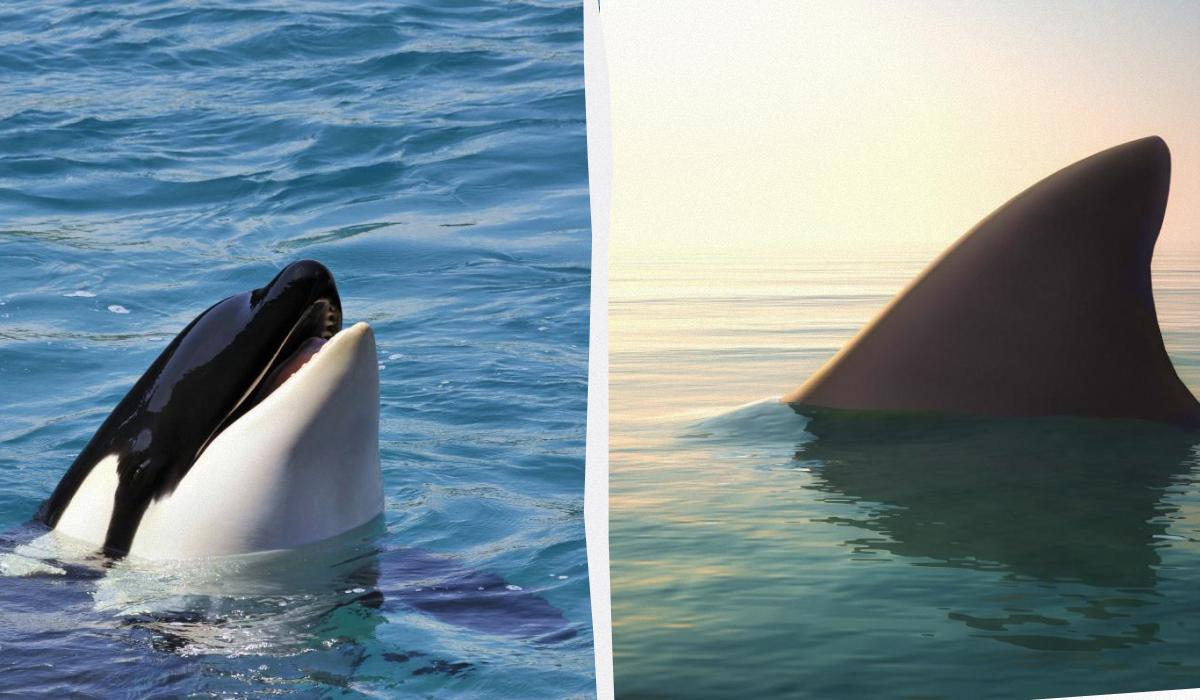
Orcas, also known as killer whales, have been observed hunting great white sharks and eating mainly their livers, according to a report by the Polish outlet dziennik.pl. The behaviour has drawn scientific attention not just because orcas can overpower one of the ocean's largest predators, but because of which part of the shark they choose to eat afterwards.
Orcas sit at the top of the ocean food chain, relying on strength, intelligence and the ability to coordinate as a group to take down prey as formidable as a great white shark. They attack in groups, coordinate their movements and can adjust their tactics depending on what they are hunting.
After a successful hunt, orcas do not necessarily consume the entire shark carcass. In some cases, they focus specifically on the liver. The reason may be simple: a shark's liver is large, rich in fat and has a high energy value. The organ also plays an important role in keeping the shark buoyant, which may make it an especially concentrated source of nutrients for the orcas.
Researchers documented this behaviour in 2025 in the Gulf of California, where orcas hunted young great white sharks. Footage from the sightings showed the predators eating the liver after the attack.
Young Orcas Learn From Elders
The ability to hunt sharks may not be purely instinctive. Different orca populations specialise in different prey: some feed mainly on fish, others hunt seals, sea lions or large marine mammals, and some groups have learned to attack sharks specifically.
Young orcas watch older members of their group and pick up their hunting methods. This transmission of behaviour between generations is known among scientists as animal culture, meaning particular orca groups may carry their own hunting traditions that are preserved and passed down to younger animals.
Sharks Flee Dangerous Predators
The presence of orcas appears to affect the behaviour of great white sharks too. Off the coast of South Africa, researchers have observed sharks leaving areas they previously frequented on a regular basis, with the presence of orcas cited as one possible explanation.
Scientists caution that other factors could also be influencing shark movements, including the availability of food, human activity and changes in environmental conditions.
Orcas Reshaping Ocean Hunting
Shark hunting illustrates how complex and flexible orca behaviour can be. The animals work in groups, draw on experience, learn from one another and can specialise in particular prey. Each new observation of these animals helps scientists better understand how the ocean's largest predators interact.
Orcas and great white sharks both occupy very high positions in the marine food web, meaning changes in the behaviour of one species can also affect other ocean life.


