Pharmacist Vicente Calduch has warned that Nivea cream in the classic blue tin can relieve dry skin after sun exposure but cannot treat actual sunburns.
Calduch, who serves as the chief executive officer of Laboratorios Calduch, made the comments in a report published by French media outlet Marie France, which was subsequently reported by Spanish newspaper La Razon. He clarified that while the popular moisturizer is effective for mild dryness after a day at the beach, it lacks the active ingredients required to repair skin damage caused by ultraviolet radiation.
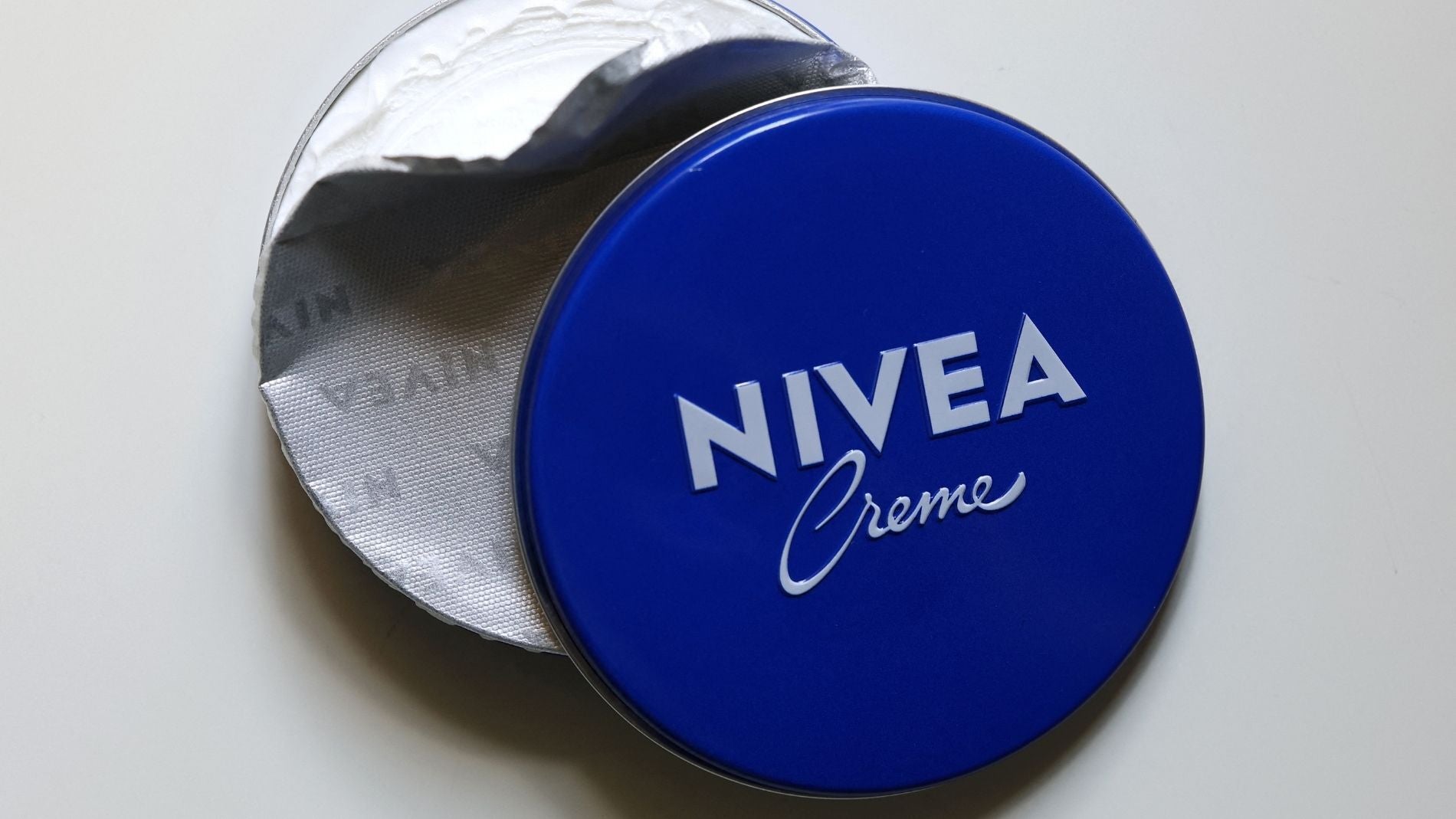
The iconic blue tin product contains emollient and occlusive ingredients, including Paraffinum Liquidum and Cera Microcristallina, alongside glycerin and panthenol. According to the report, glycerin helps retain water in the stratum corneum, which is the outermost layer of the skin. Meanwhile, liquid paraffin and microcrystalline wax reinforce the skin barrier and reduce moisture loss, helping to restore flexibility and ease feelings of tightness after exposure to the sun.
Nivea, a personal care brand manufactured by German company Beiersdorf, has produced its classic blue tin cream for over a century. Laboratorios Calduch is a Spanish pharmaceutical firm specializing in skin care formulations.
Sunburn symptoms and skin damage risks
The situation changes significantly when dealing with a genuine sunburn. Marked redness, increased skin temperature, pain upon contact, or the formation of blisters are clear indicators of damaged tissue. In such cases, the French publication warned that Nivea cream is insufficient for treatment.
Furthermore, applying perfumed products or formulas containing potential allergens to burned skin is strongly discouraged. The ingredient list for Nivea cream includes limonene, a naturally occurring fragrance compound that can cause skin irritation when applied to inflamed or compromised skin.
According to the guidance detailed by Marie France, Nivea cream may be applied when the skin is merely somewhat dry following sun exposure, provided there is no noticeable redness. If the skin is red, hot, and painful, individuals should instead select an unperfumed soothing after sun product or consult a pharmacist for a suitable topical treatment.
For more severe cases where a person experiences blisters, intense pain, chills, or a headache, the recommended protocol is to seek urgent medical attention immediately. Patients are advised not to apply any topical creams or products without direct guidance from a healthcare professional.
Sunscreen requirements and daily protection rules
Calduch emphasized that moisturizing creams offer no protection against ultraviolet light and cannot substitute for dedicated sun protection products. To prevent sun damage, he recommended using broad spectrum sunscreens that filter both UVA and UVB rays.
Ultraviolet A rays penetrate deeply into the dermal layers and contribute to long term skin aging, while Ultraviolet B rays are primarily responsible for surface burning and direct cellular damage. Calduch advised choosing a sun protection factor of SPF 30 or SPF 50, depending on an individual skin phototype and the anticipated duration of sun exposure.
Sunscreen should be applied generously approximately thirty minutes before going outdoors. To maintain effective protection, the cream must be reapplied every two hours, as well as immediately after swimming or heavy sweating.
While the classic blue tin remains a staple for soothing post sun tightness, health experts stress that it cannot prevent sunburns or repair skin that has already suffered UV damage.