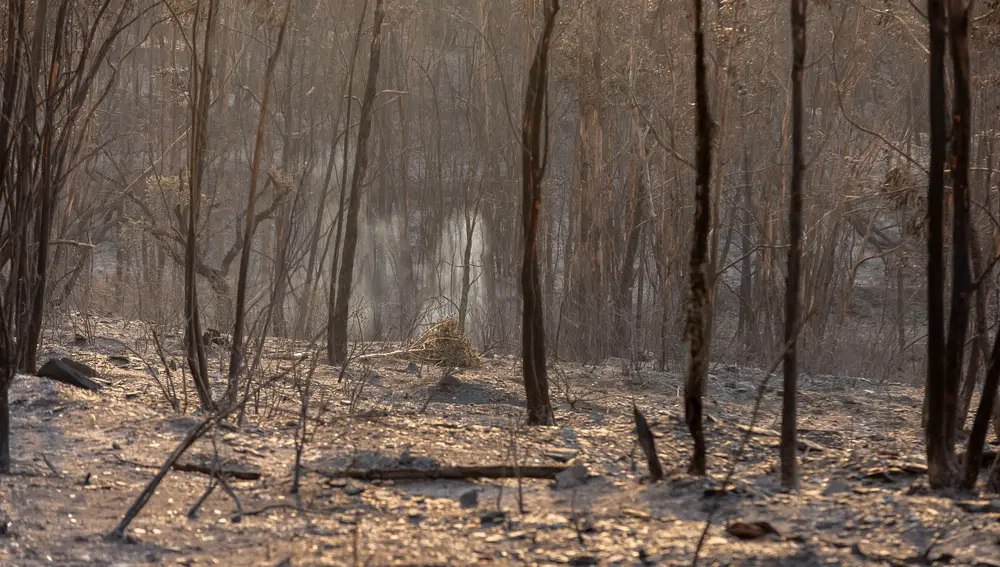
A wildfire burning in Niebla, in Spain's Huelva province, has scorched around 20,000 hectares in four days, edging toward the scale of the 2004 fire at Minas de Riotinto, the largest wildfire ever recorded in Andalusia. That blaze burned 29,867 hectares across Huelva and Seville provinces in the summer of 2004 and killed two people.
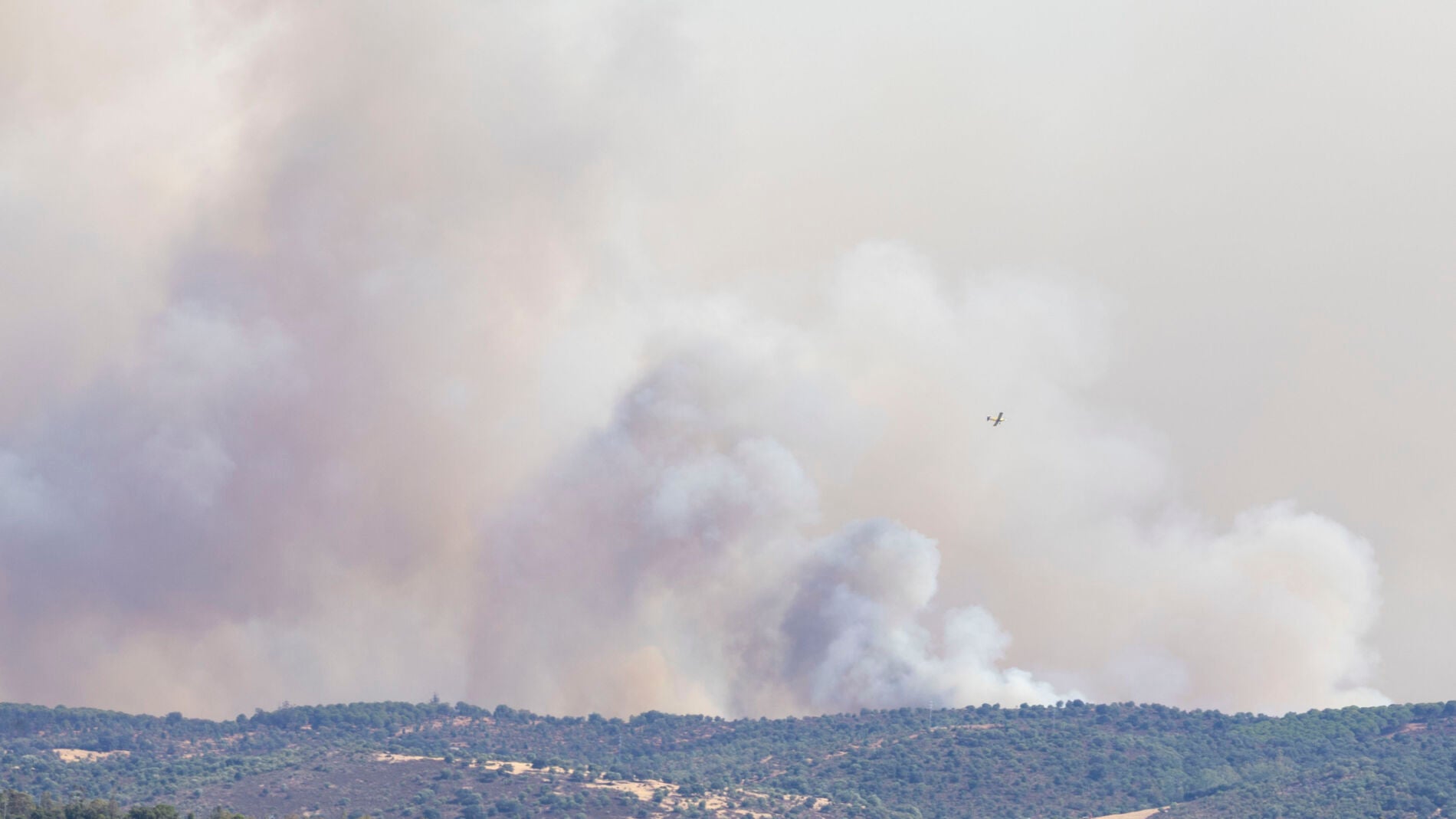
The fire broke out in the Raboconejo area, and by Monday, four days after it started, the burned perimeter had reached close to 20,000 hectares. About 800 people had left their homes, an increase of 300 evacuees from earlier figures, and more than 600 personnel were working the fire lines. Authorities described the flames' behavior as complex and unpredictable.
Beyond capacity to extinguish
Antonio Sanz, first vice president of the regional government of Andalusia, the Junta de Andalucia, and its minister for the Presidency, Health and Emergencies, said the fire was beyond the capacity to extinguish, not because of a lack of resources but because the fire's own conditions were undermining attack strategies. He said extinguishing it was expected to take days, calling it a long-distance race with obstacles. More than 600 personnel, 12 heavy machines and up to 26 aircraft were deployed against flames that officials again described as extraordinarily complex and dangerous.

Wind and fire-generated storms
Officials named wind as the fire's main enemy. Gusts from the southwest combined with rugged terrain marked by ravines, along with convective phenomena in which the intense heat generated by the fire creates currents strong enough to lift embers and carry them kilometers away. Those embers can spark secondary fires that later merge with the main front, producing an advance Sanz described as disproportionate and unpredictable. At times the turbulence reduced the effectiveness of aircraft and forced crews to prioritize the safety of ground teams.

Fighting the fire in the north
Firefighting efforts were concentrated in the north and northeast of the affected area, where crews were trying to close a defense line between the towns of El Pozuelo, Marigenta and Berrocal, one of the municipalities also hit by the 2004 fire. Crews used bulldozers, chemical retardant and a fire-against-fire maneuver to try to slow the flames' advance. Juanma Moreno, president of the Junta de Andalucia, called for maximum caution while crews waited for weather conditions to open what officials called a window of opportunity.
Approaching Andalusia's biggest fire on record
The 2004 Riotinto fire offers a way to measure how large the Niebla fire has grown. When it occurred, the 2004 fire ranked as the third largest in Spain since 1968, according to government data, and it stood for years as the country's benchmark disaster. Its 29,867 hectares have since been surpassed by other fires, but it remains among the largest in Spain's historical record and the largest by area ever recorded in Andalusia.
This year, 2026, has been one of the worst on record for wildfires in Spain overall. The La Mierla fire in Guadalajara burned more than 35,000 hectares, while a large fire front in Avila later exceeded 50,000 hectares to become the largest of the year. Other fires in past decades, at Cortes de Pallas, Villarluengo, Losacio, Moratalla and Millares, each burned more than 25,000 hectares.
The final size of the Niebla fire cannot yet be determined. The comparison with Riotinto shows how large it has already grown, but not how it will end. The priority remains containing the active fronts, protecting residents and keeping the crews on the ground safe, with hopes resting on weather conditions allowing firefighters to make progress.