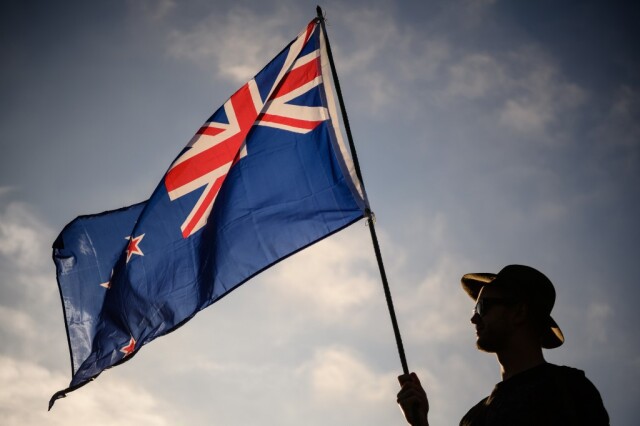
New Zealand's Parliament has voted to make English one of the country's official languages, joining Māori and New Zealand Sign Language on the official list.
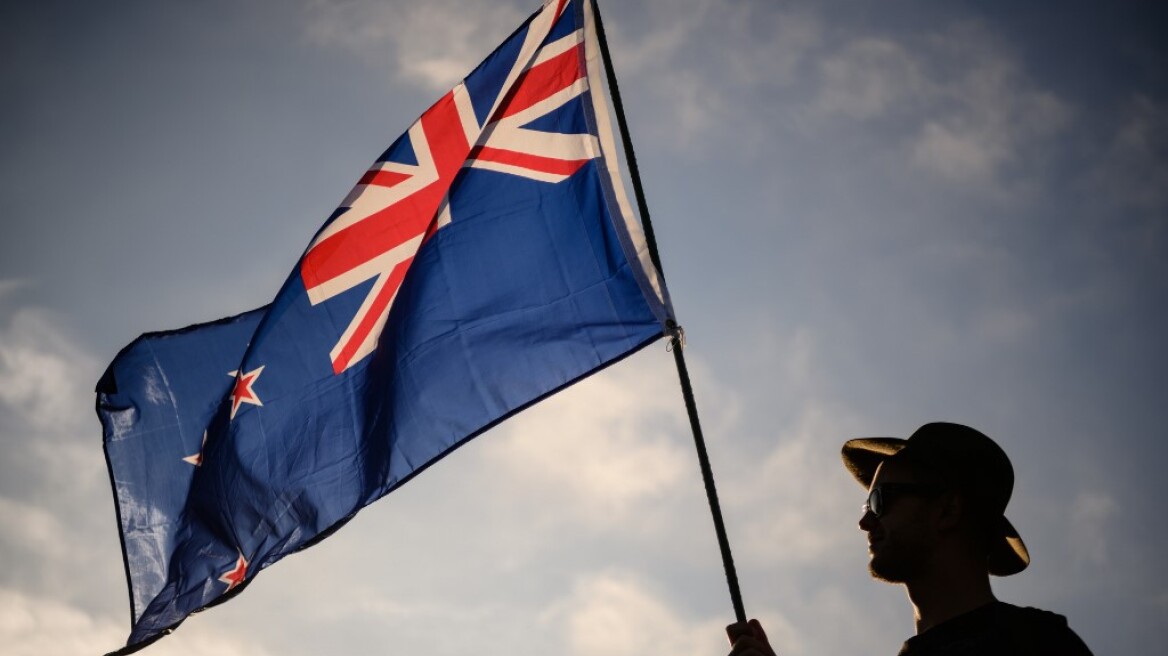
Almost everyone in the country already speaks English, and the country's laws and court rulings are written in the language, but until the vote this had never been set down in law.
The new English Language Act states that adding English as an official language, alongside Māori and the country's sign language, will not create any need for new rules governing its continued use in legal, political and government settings or documents.
English and Māori speaker numbers
More than 95 percent of New Zealand's population, almost 4.8 million people, spoke English in 2023, according to government data. Only 4.3 percent spoke Māori, the language of the country's inhabitants before English settlers arrived, and 0.5 percent used sign language.
New Zealand First pushed the bill
The nationalist New Zealand First party pushed for the legislation, according to CNN. The party is a member of the governing coalition.
Tamatha Paul, a member of the left-wing opposition Green Party, condemned the move as a waste of time. She said the "snowflake" government sees te reo Māori, the Māori language, and trembles all over. She added that the Māori language holds protected status because it had been systematically eradicated.
Māori language's history
Māori was the main language spoken in New Zealand before the country became a British colony in 1840. It was declared an official language in the 1980s, when numerous programs began to revive its use.
Paul also pointed out that English is not an official language even in England, where it holds de facto status, although a 1730 law requires the use of English in courtrooms and legal documents.
Labour backs the bill
The opposition Labour Party of New Zealand ultimately voted in favor of the bill, despite reservations among its own members of Parliament.